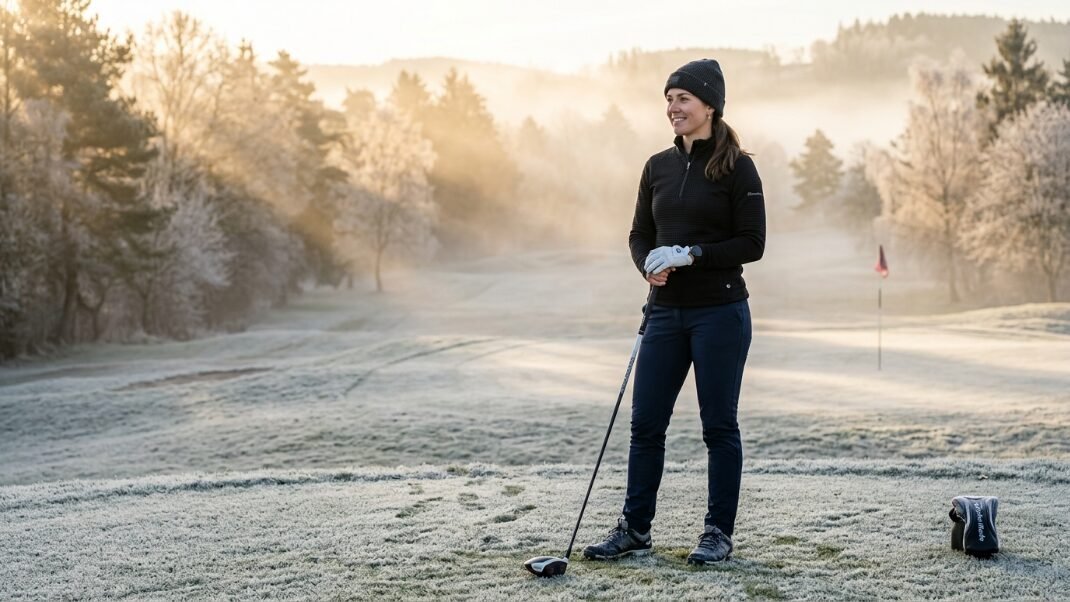
The morning air hits different in September. You arrive at the first tee and the grass is heavy with dew. Your favorite summer sleeveless polo feels a bit too thin. I remember playing a round last October where I froze by the fourth hole because I refused to pack away my summer whites. That mistake ruined my back nine. You want to stay on the course as the leaves change without buying an entirely new closet. Transitioning your gear is about smart layers and fabric choices. It is about keeping the core pieces you love while adding warmth where it matters. This guide shows you how to bridge the gap between heat waves and frost delays. You will learn to mix your July favorites with October essentials.
Executive Summary Of Seasonal Golf Style
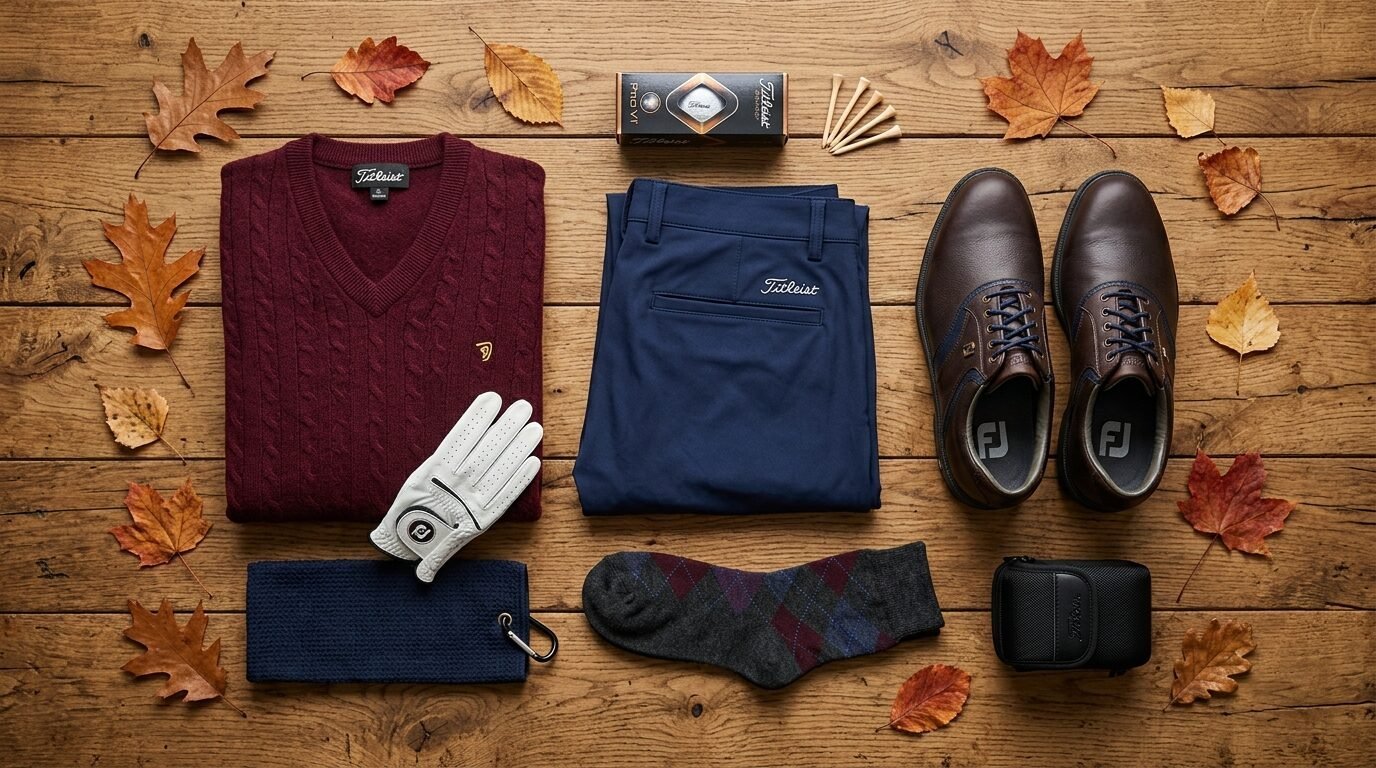
Moving from summer to fall requires a strategy. You do not need to spend thousands on new outfits. Start by layering technical pieces over your existing polos. Use the table below to see the quick shifts you can make right now.
| Summer Item | Fall Transition Piece | Benefit |
| Sleeveless Polo | Long Sleeve Mock Neck | Wind protection |
| Lightweight Skirt | Skirt with Thermal Leggings | Leg warmth |
| Mesh Shoes | Waterproof Leather Shoes | Dry feet in dew |
| Visor | Knit Beanie or Structured Hat | Heat retention |
| No-Show Socks | Merino Wool Crew Socks | Blister prevention |
Focus on moisture management first. Sweat still happens in the fall but cold sweat is dangerous. Look for synthetic blends or thin wool. These materials move water away from your skin. I find that a simple vest often does more for my swing than a bulky jacket. It keeps my arms free.
1. Keep Your Summer Polos As Base Layers
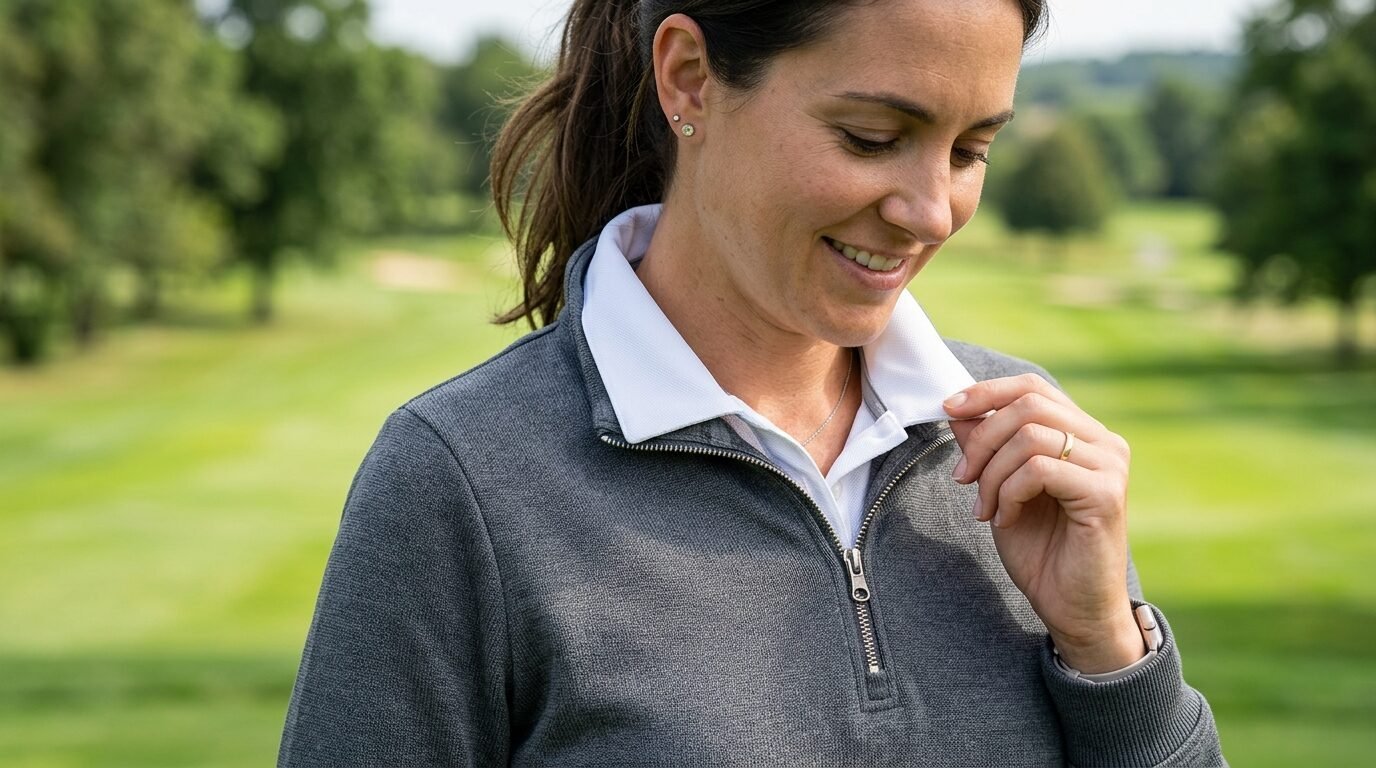
Your thin summer polos are perfect for the first layer of a fall outfit. I used to pack these away every Labor Day. Now I wear them under sweaters. They sit close to the skin and wick away moisture. Choose the ones made of polyester and spandex. These fabrics stretch well as you rotate through your swing.
In my experience these shirts prevent the “itchy” feeling of wool outer layers. If you have a favorite white or navy polo it acts as a neutral base. You can put a bright quarter zip over it for a pop of color. I once wore a sleeveless polo under a heavy jacket during a rainy round in Oregon. It kept me dry while the jacket blocked the wind. This approach saves space in your golf bag. You can shed the outer layer if the sun comes out by midday. Make sure the collar stays tucked under your sweater for a clean look.
2. Layer With Lightweight Quarter Zips
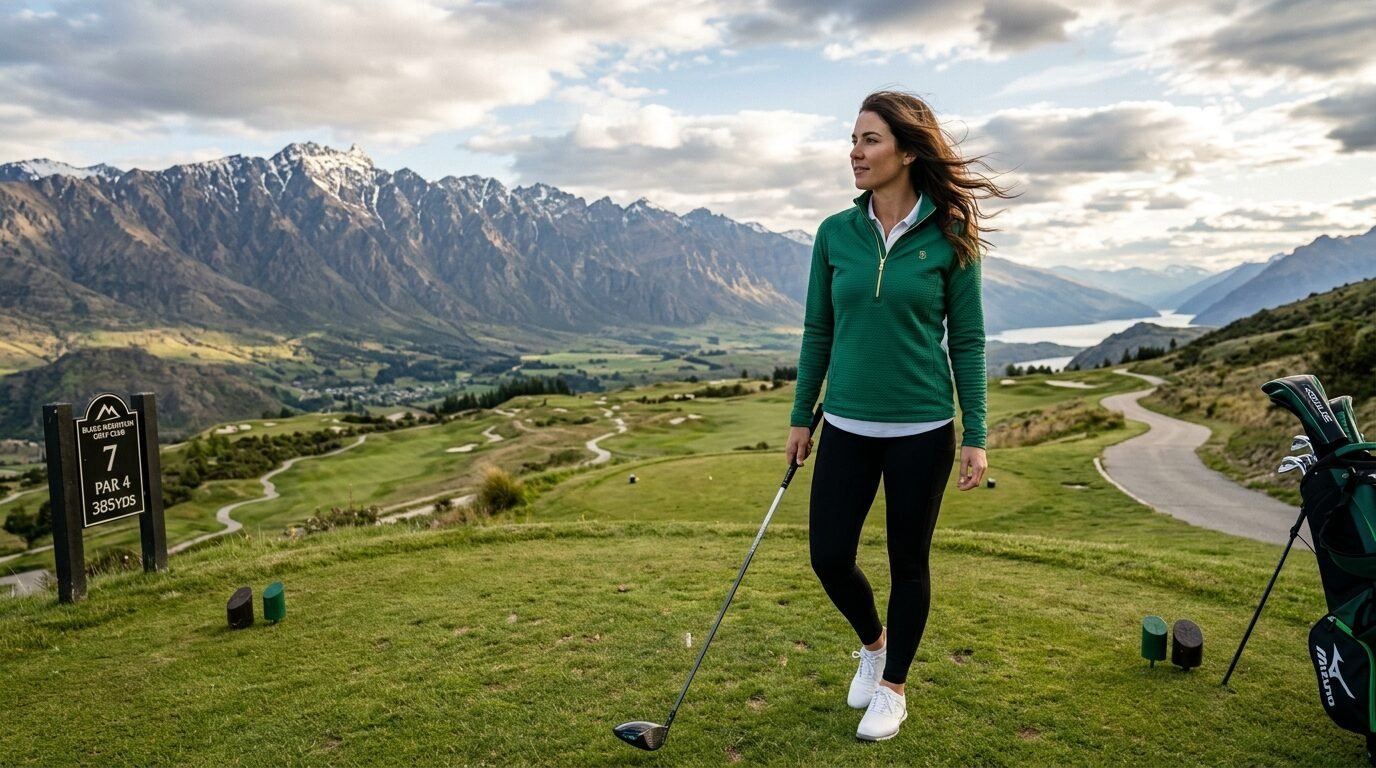
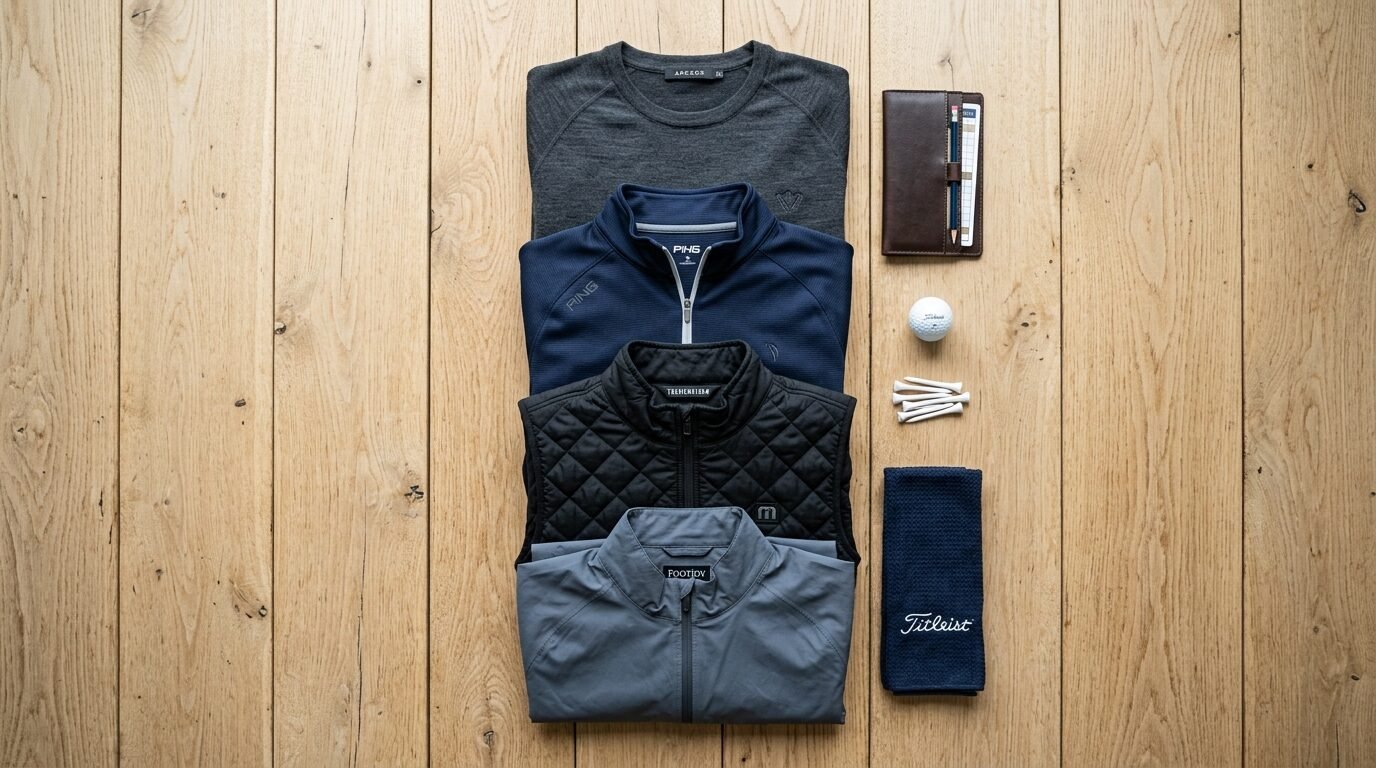
The quarter zip is the most important tool in your fall bag. It is easy to take off and put on between holes. I prefer pieces with a bit of stretch in the shoulders. Brands like Peter Millar or FootJoy make versions that do not restrict your follow through.
I have tried thick cotton hoodies but they get heavy if they get damp. Stick to performance fabrics. Look for a mid weight fleece lining if the temperature drops below fifty degrees. These tops look professional in the clubhouse too. I often see players wearing navy or charcoal grey because they match every pair of pants. A quarter zip also protects your neck from sudden gusts of wind. You can zip it up tight when you are waiting on the tee box. It keeps your muscles warm so you do not pull a muscle on your first drive.
3. Swap Skirts For Tailored Golf Pants

Summer is for showing off your legs but fall demands coverage. High waisted golf pants are a game changer for cooler rounds. I switched to a tapered fit last year and noticed I felt more focused. Wind hitting your bare skin is a distraction.
Choose pants with four way stretch. This allows you to crouch and read putts without the fabric binding. I recommend brands like Lululemon or Adidas for their athletic cuts. Look for a water resistant finish. Morning dew on tall grass will soak regular cotton pants instantly. If you find a pair with deep pockets you can keep your hands warm between shots. In my experience navy and forest green are the best colors for hiding mud splashes. These pants transition perfectly to the grocery store or a casual lunch after your round.
4. Integrate Performance Vests For Core Warmth

A vest is the secret weapon of the low handicap player. It protects your chest and back from the cold while leaving your arms completely free. I struggled with jackets for years because they felt too tight during my backswing. A quilted vest solved that problem.
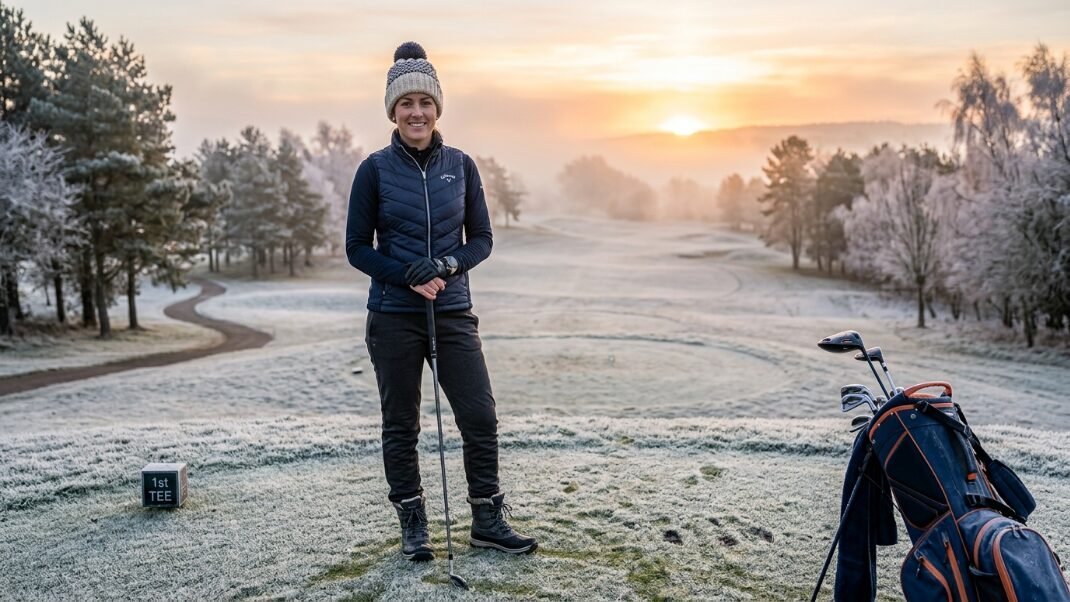
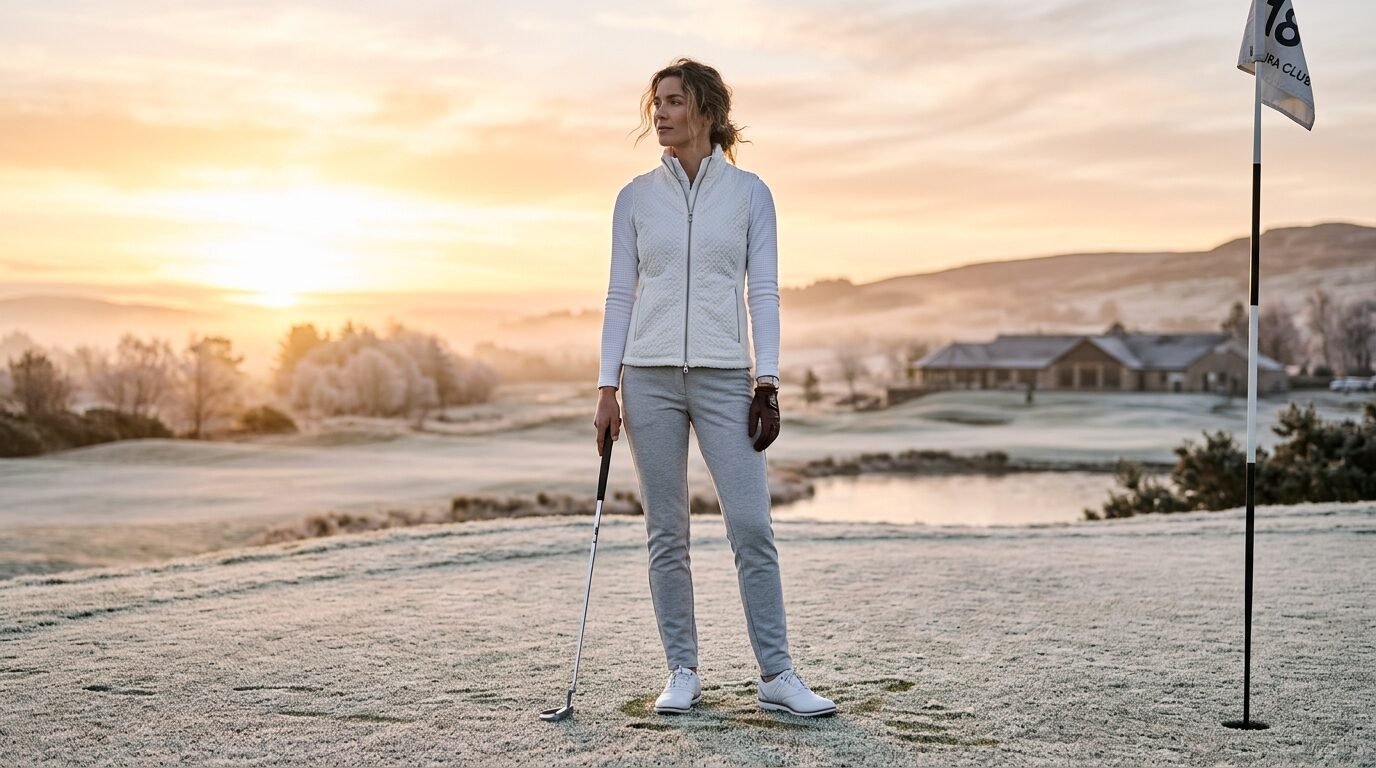
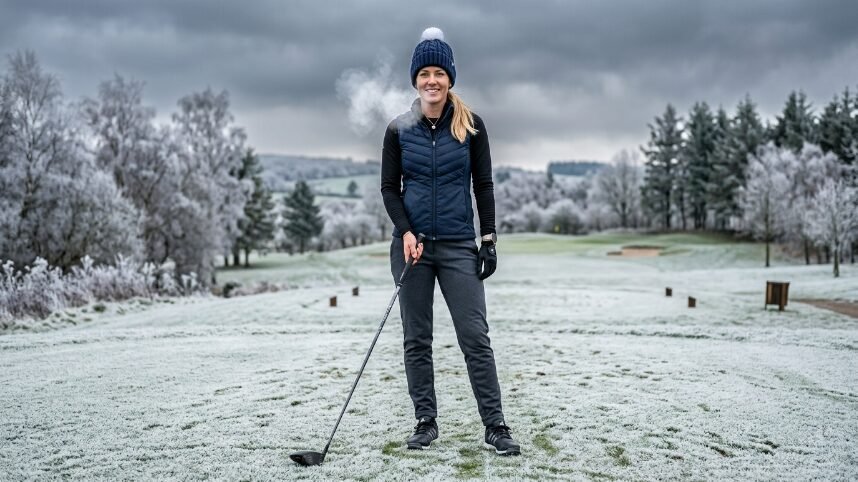
Look for down or synthetic insulation. These materials trap heat near your heart. I have seen many women choose a slim fit vest to maintain a sleek silhouette. It prevents that “marshmallow” look that heavy coats create. If you get too warm you can leave it unzipped. I once played eighteen holes in thirty five degree weather with just a base layer and a heavy vest. My core stayed warm and my swing stayed fluid. It is a small investment that extends your season by two months.
5. Use Thermal Leggings Under Skirts

You do not have to give up your golf skirts just because it is October. I love the look of a skirt but I hate shivering. The solution is high quality athletic leggings. Wear them underneath your favorite summer skort.
Choose leggings with a brushed interior. This feels soft and adds an extra layer of insulation. I prefer black or charcoal leggings to create a cohesive look with any color skirt. Make sure the leggings have a wide waistband so they do not slip while you walk the course. I tried cheap fashion leggings once and they were a disaster because they did not breathe. Stick to brands made for running or training. This setup gives you the femininity of a skirt with the warmth of pants. It is a favorite look on the LPGA tour for a reason.
6. Switch To Wool Blend Socks
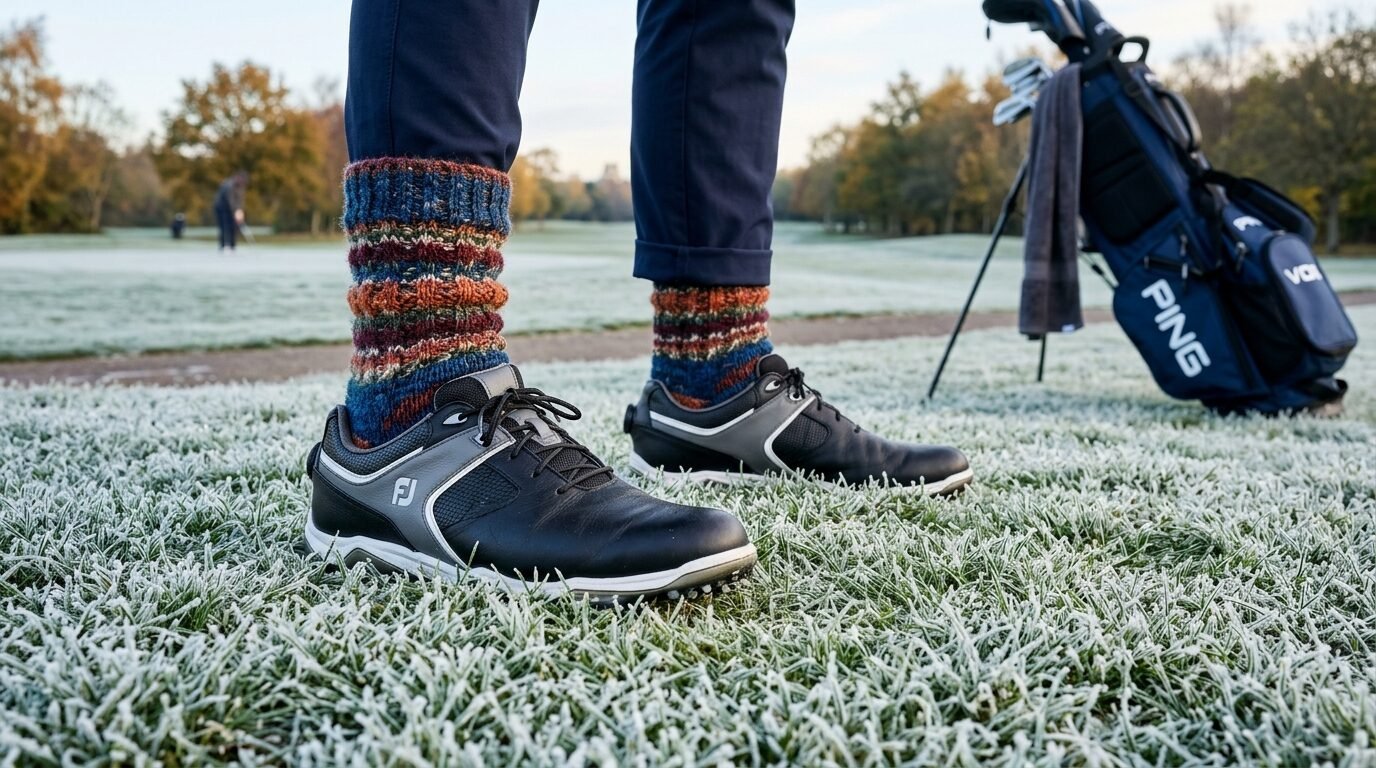
Your feet are the first things to get cold. Once your toes are numb your balance goes away. I stopped wearing cotton no show socks as soon as the leaves started to turn. Cotton holds moisture and stays cold.
Switch to a merino wool blend. Brands like Kentwool or Bombas make golf specific wool socks. They are thin enough to fit in your shoes but warm enough for frosty mornings. Wool also stays warm even if it gets wet from the grass. I have noticed fewer blisters when I wear thicker socks in the fall. The extra cushioning helps during long walks on hilly courses. Your feet stay dry and your energy stays high. It is the cheapest upgrade you can make to your fall wardrobe.
7. Introduce Wind Resistant Outerwear
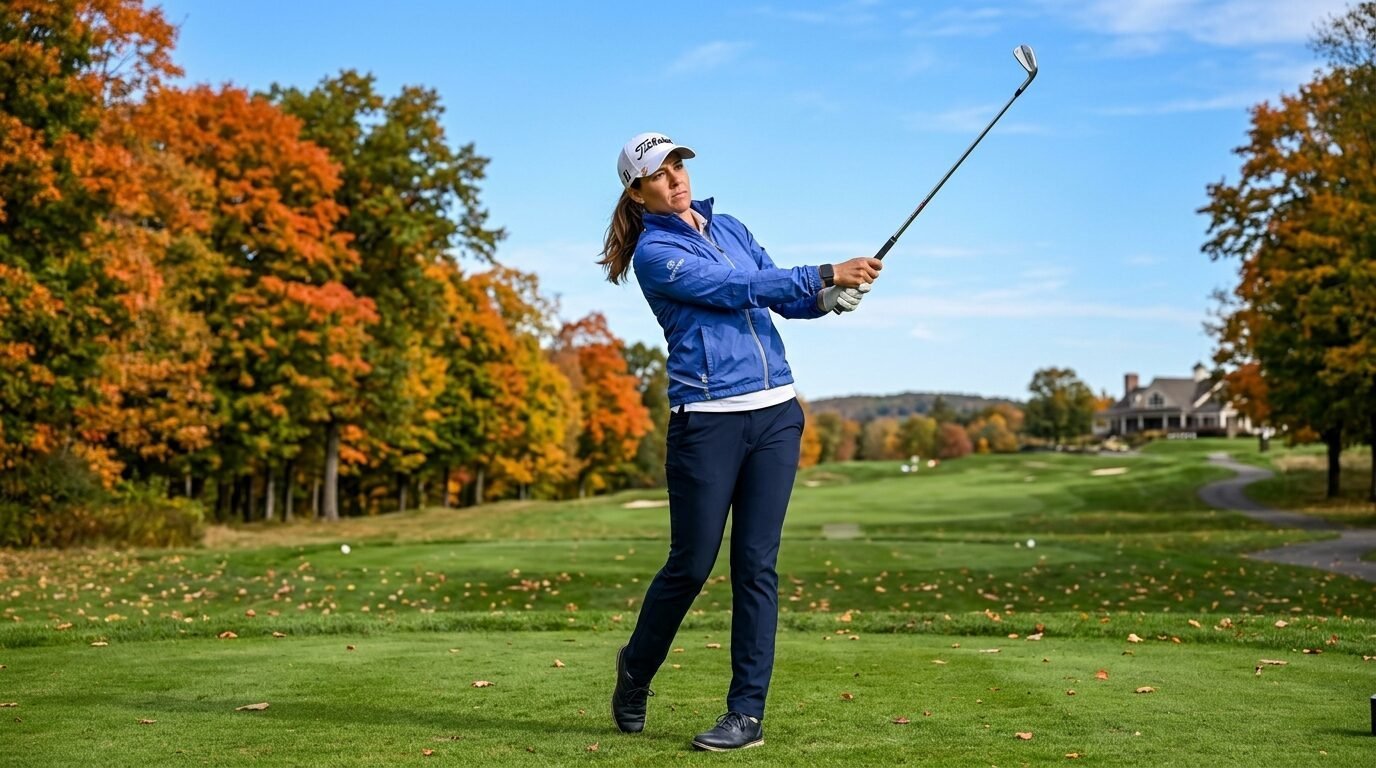
Wind is the enemy of a good score. It saps your body heat and messes with your ball flight. A thin windbreaker is essential for fall golf. You want something that fits in the side pocket of your bag.
I look for jackets with a quiet fabric. Some windbreakers make a loud “swish” sound when you swing which is very annoying. Choose a full zip version for easy removal. I have found that a windbreaker with an adjustable hem keeps the cold air from blowing up your back. In my experience a bright color like red or royal blue helps people see you if the light gets low in the late afternoon. This layer acts as a shell that traps the warmth from your base layers.
8. Opt For Long Sleeve Mock Necks

Mock necks are making a huge comeback in golf fashion. They provide more coverage than a standard polo but look more modern than a turtleneck. I find them very comfortable under a vest or a sweater.
The fabric is usually a bit thicker than a summer shirt. This provides a soft barrier against the cold air. I saw a group of women at a local club all wearing matching white mock necks and they looked incredibly sharp. It is a clean aesthetic that works for any age. Look for versions with thumbholes in the sleeves. This keeps the fabric over your wrists and prevents gaps where the cold can get in. It is a simple piece that makes you look like a pro.
9. Upgrade To Waterproof Golf Shoes
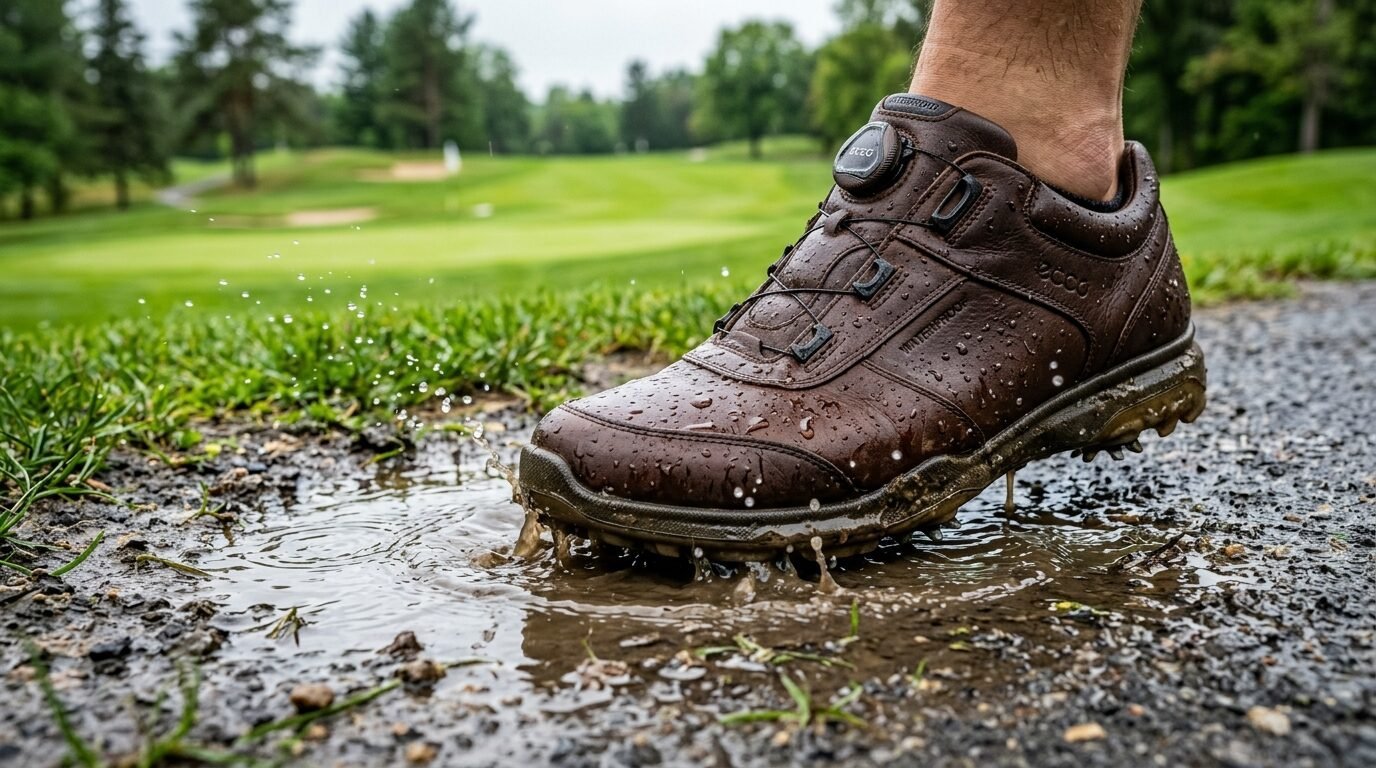
Summer shoes are often made of mesh to let your feet breathe. In the fall that mesh lets in water and mud. I learned this the hard way during a rainy tournament. By the tenth hole my socks were soaked and I couldn’t wait for the round to end.
Invest in a pair of leather or treated synthetic shoes. Brands like G/FORE and Ecco offer stylish waterproof options. They are easier to wipe clean after a muddy round. I recommend spiked shoes for the fall because the ground is often slick and soft. You need the extra grip to stay stable during your swing. A solid foundation leads to better ball striking. Plus waterproof shoes keep your feet warm by blocking the wind.
10. Add Knitted Beanies For Early Mornings

You lose a lot of heat through your head. A baseball cap is fine for the sun but it does nothing for the cold. I keep a knit beanie in my bag from September through April.
Choose a beanie with a fleece lining for maximum warmth. It should fit snugly so it does not fall off when you look down at the ball. I prefer neutral colors like cream or black so they match every outfit. If you have long hair look for a “ponytail beanie” with a hole in the back. This allows you to keep your hair up while staying warm. I have noticed that keeping my ears covered helps me stay relaxed on the course. You don’t realize how much the cold bothers you until you fix it.
11. Incorporate Autumnal Color Palettes
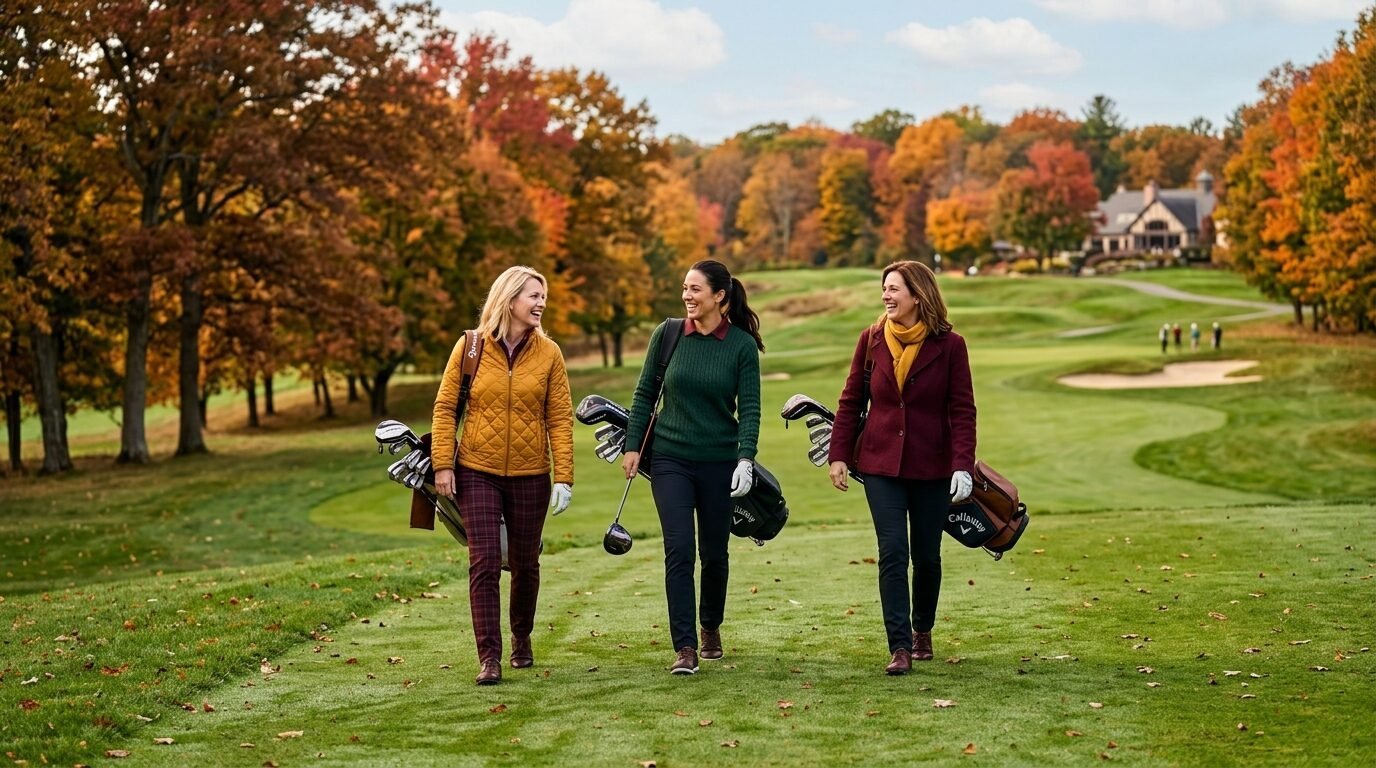
Fashion is part of the fun of golf. Transitioning your wardrobe means shifting your colors. Move away from pastels and neons. Embrace the colors of the trees.
Burgundy, burnt orange, and mustard yellow look stunning on the green. I love pairing a dark plum sweater with khaki pants. It feels grounded and sophisticated. These darker colors also absorb more sunlight which helps keep you warm on clear days. I have seen players use patterned scarves or headbands to add these colors without buying a whole new outfit. It makes your photos look amazing on Pinterest and Instagram.
12. Carry A Compact Rain Jacket
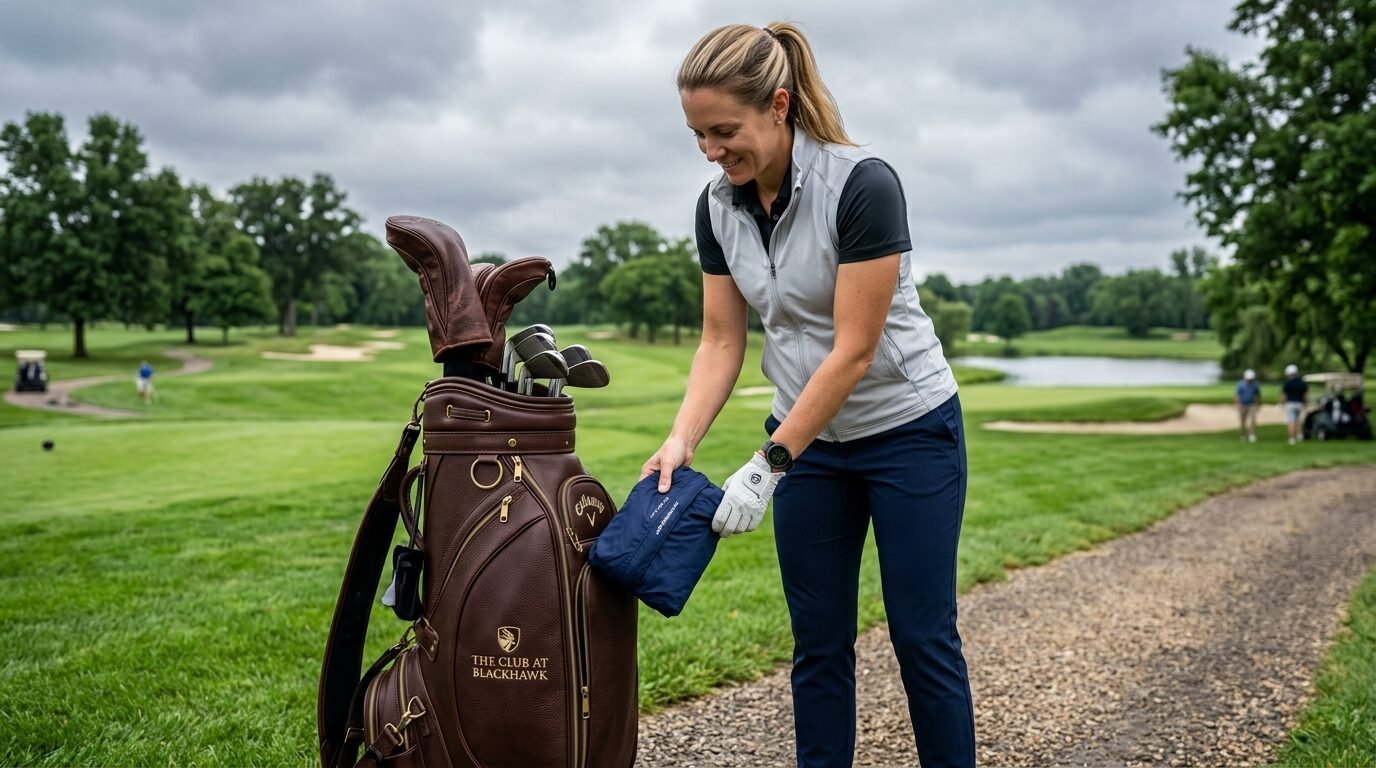
Fall weather is unpredictable. You might start in the sun and finish in a downpour. A bulky rain suit is hard to play in. I prefer a compact rain jacket that is specifically designed for golf.
Look for “seam sealed” construction. This ensures water does not leak through the stitches. I have tried cheap rain gear and it always fails at the shoulders. A good golf rain jacket will have stretch panels in the back. This allows you to reach the top of your swing without the jacket pulling. I once played through a light mist for three hours and stayed perfectly dry. It kept my mood positive while others were complaining. Being prepared means you never have to quit a round early.
13. Wear Technical Base Layers
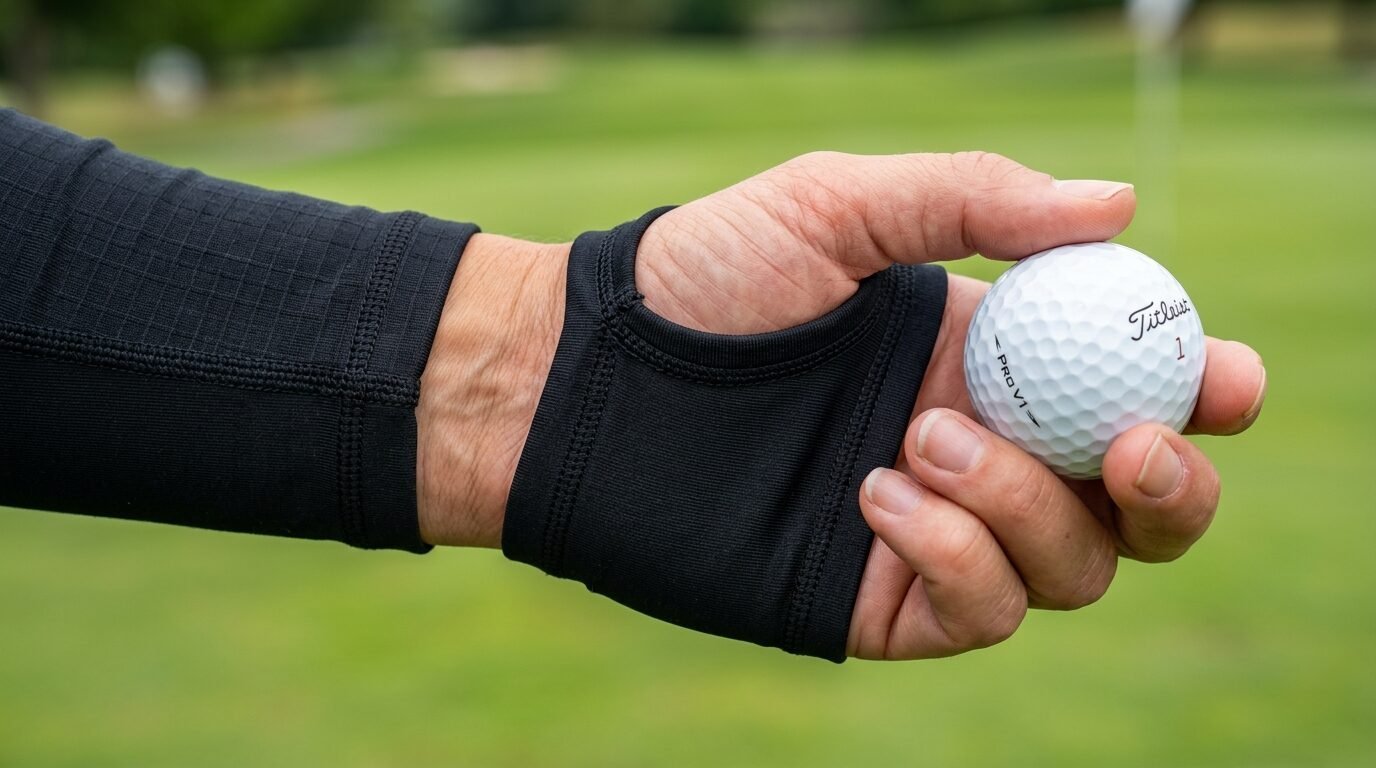
If the temperature is truly cold you need a “second skin” layer. This is different from a polo. It is a compression style shirt designed to trap body heat.
I wear these when the temperature is below forty five degrees. They are very thin so they do not add bulk under your clothes. I have noticed that these layers help with muscle fatigue during long rounds. They keep the blood flowing. Brands like Under Armour or Nike are leaders in this space. I always buy the “ColdGear” versions. They make a massive difference during winter golf trips to places like Scotland or Bandon Dunes.
14. Use Padded Jackets For Cold Snaps
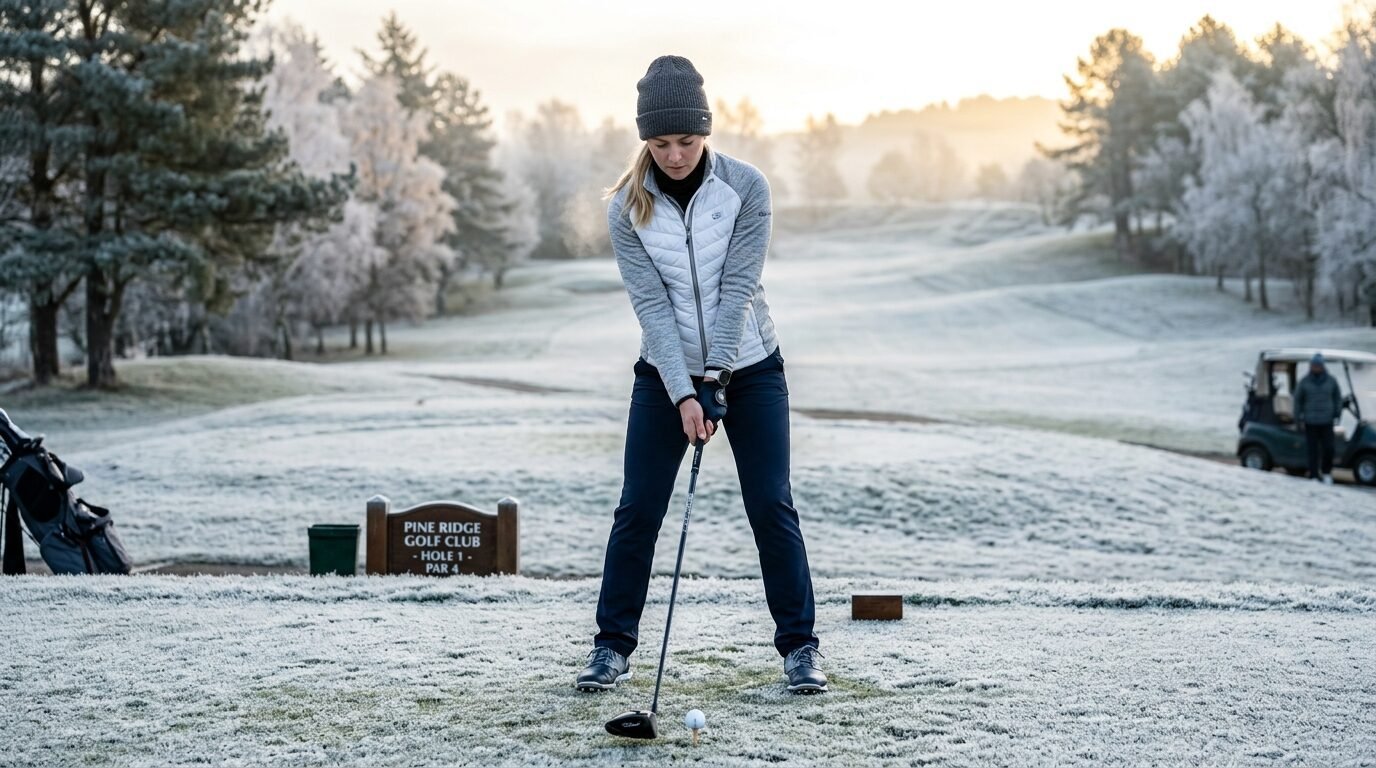
Sometimes a vest is not enough. For the coldest days you need a padded jacket. These are often called “hybrid” jackets. They have insulation on the chest but jersey fabric on the arms.
This design gives you the warmth of a coat with the mobility of a shirt. I have found this to be the best investment for late November golf. I saw a woman wearing a white hybrid jacket last week and she looked like a winter goddess. It is stylish and functional. Look for a jacket with zippered pockets to keep your extra tees and ball markers secure. This piece will become your favorite item for walking the dog or running errands too.
15. Change Your Headwear To Structured Hats
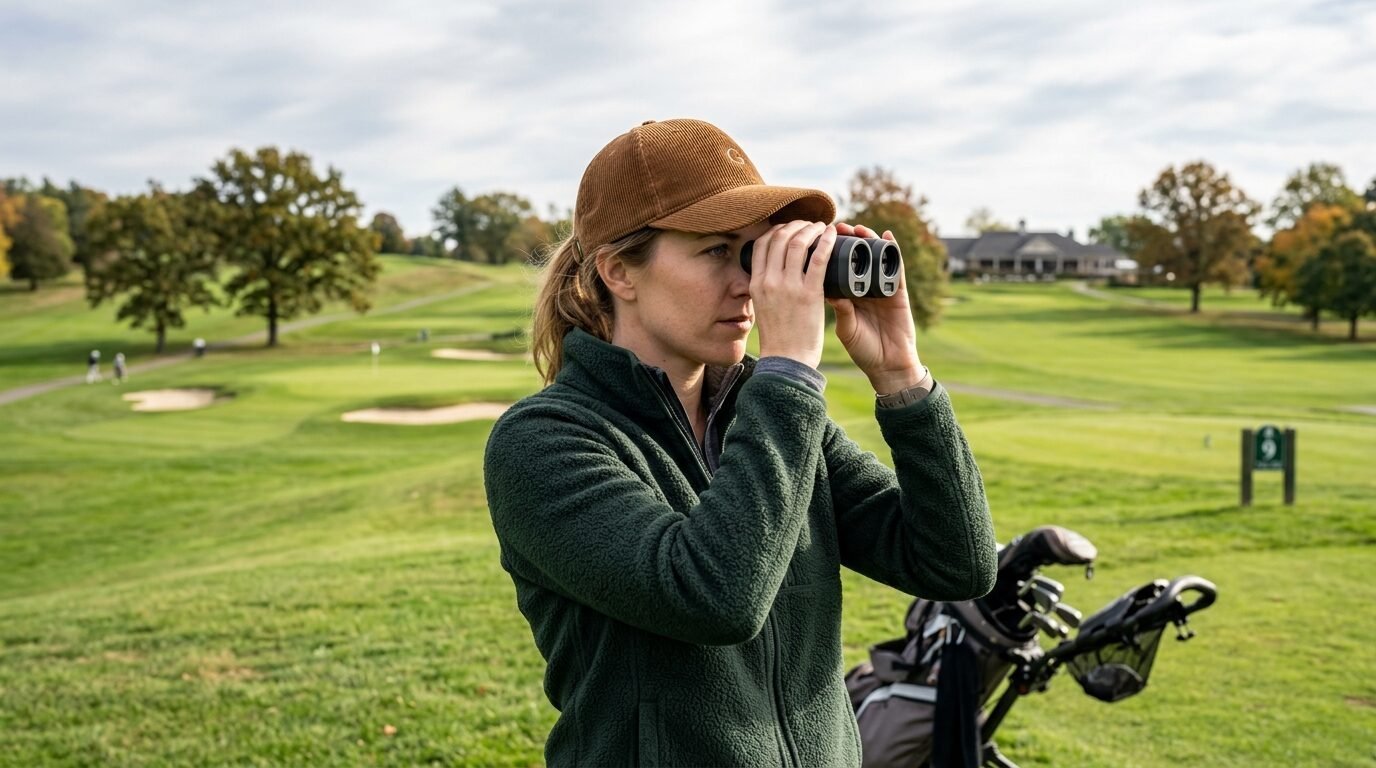
If you are not a fan of beanies try a structured felt hat or a corduroy cap. These fabrics are heavier and warmer than standard cotton.
I like a corduroy baseball cap for a vintage look. It adds texture to your outfit and keeps your head warmer than a mesh back hat. Felt fedoras are also becoming popular for a more “lifestyle” golf look. They provide sun protection while fitting the fall vibe. I have noticed that a darker hat hides sweat stains better than a light one. It is a small detail that rounds out your seasonal transition perfectly.
Comparison Of Summer Versus Fall Golf Fabrics
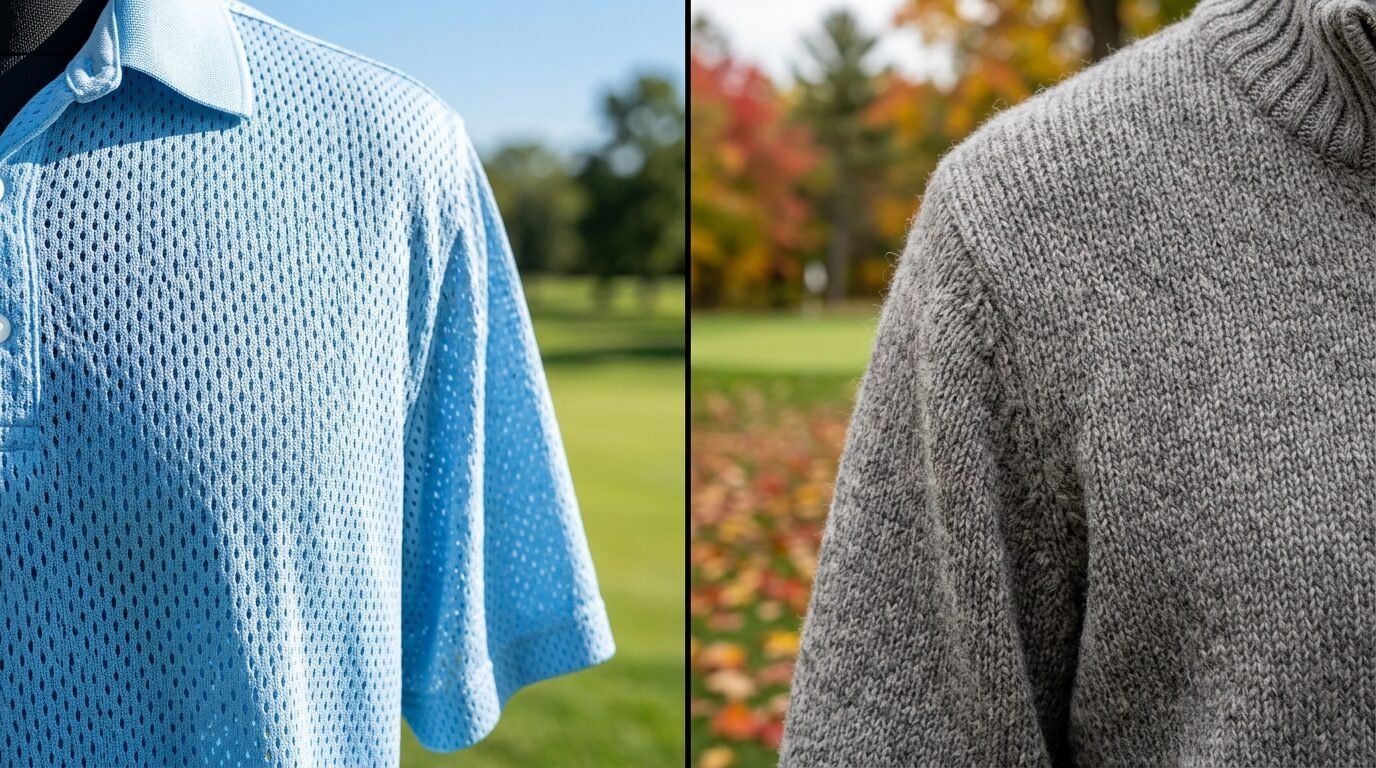
Choosing the right material is a science. In the summer you want airflow. In the fall you want insulation. Use this guide to check your tags before you head to the course.
| Fabric Type | Best Season | Key Property |
| Pima Cotton | Summer | Breathable but holds water |
| Polyester Blend | Both | Wicks sweat and dries fast |
| Merino Wool | Fall/Winter | Warm even when damp |
| Nylon Shell | Fall | Blocks wind and light rain |
| Spandex/Lycra | Both | Provides necessary swing stretch |
I have learned that mixing these fabrics is the path to comfort. I wear a polyester base with a wool sweater and a nylon vest. This “sandwich” of fabrics keeps me ready for any weather change. Avoid 100% cotton in the fall. If it gets wet it stays wet and heavy.
Tools And Accessories For Seasonal Shifts
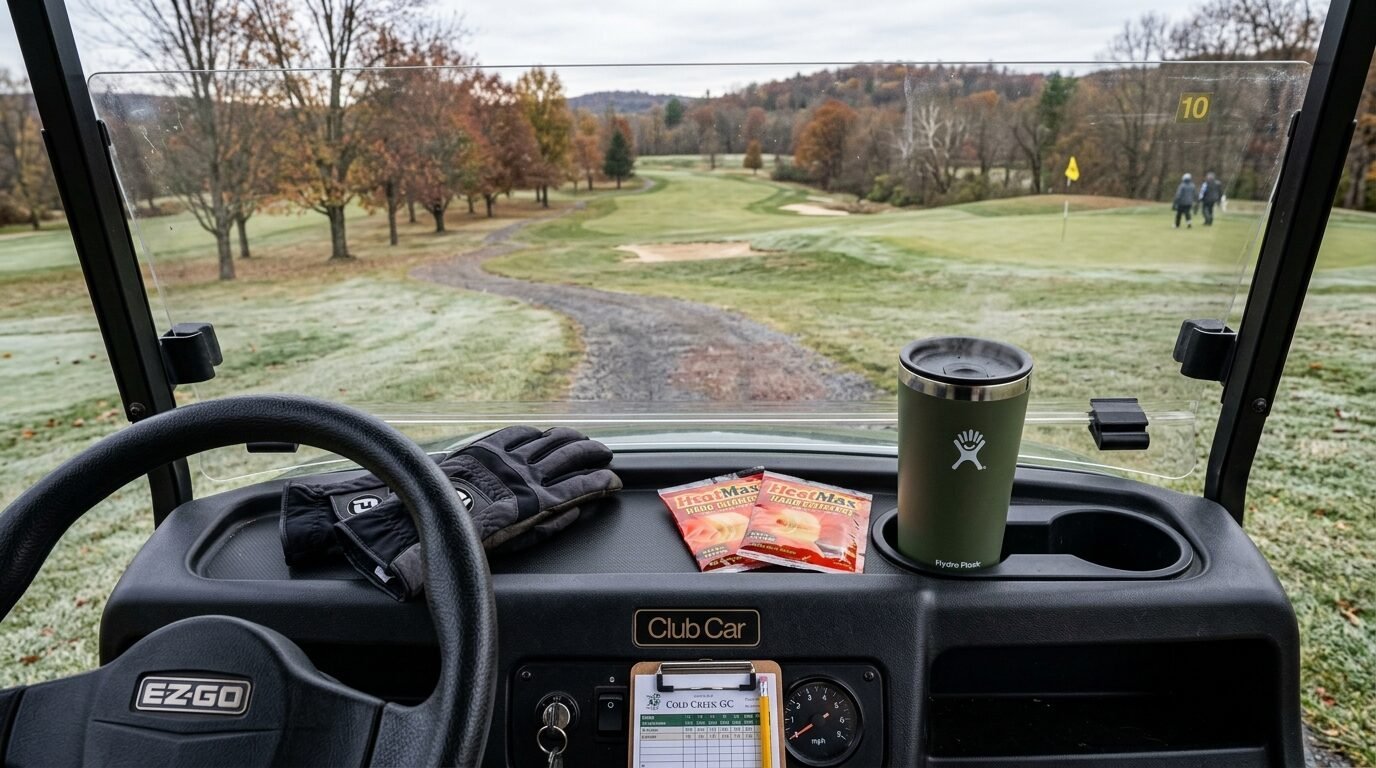
Accessories make the transition easier. I keep a few specific items in my trunk starting in September. These help me stay comfortable without changing my whole outfit.
- Hand Warmers: I buy these in bulk. Put them in your pockets to keep your fingers nimble.
- Electric Hand Warmer: A rechargeable version is great for your cart.
- Cart Cover: If you ride a cart this blocks the wind entirely.
- Insulated Water Bottle: Use it for hot tea or coffee instead of ice water.
- Lip Balm: The fall wind dries out your skin fast.
- Golf Towel: Get a larger one to wipe mud off your ball and clubs frequently.
I once forgot my hand warmers on a thirty degree morning. My hands were so stiff I couldn’t feel the grip of my club. I shot ten strokes over my handicap. Now I never leave home without them.
Frequently Asked Questions About Fall Golf Outfits
What is the best color to wear for fall golf?
I recommend dark earth tones. Forest green, navy blue, and burgundy are excellent choices. They look great against the autumn leaves and hide dirt or mud better than white or light pink. Darker colors also help you stay warmer by absorbing heat from the sun.
Can I wear leggings for golf?
Yes but they should be high quality athletic leggings. Many private clubs allow them if you wear them under a skirt. For public courses leggings are usually fine on their own if they are thick and professional. I suggest choosing black or navy to keep the look polished.
How do I stay warm without losing my swing?
The secret is layering thin pieces rather than wearing one big coat. Use a base layer then a polo then a vest. This keeps your arms free to move. A vest is the best way to keep your core warm while maintaining your full range of motion.
Do I need different golf shoes for the fall?
I highly suggest waterproof shoes. Fall mornings are very damp and the grass stays wet longer. Leather shoes are easier to clean and keep your feet much warmer than mesh sneakers. Spiked shoes also help you stay balanced on slippery turf.
Should I wear a hat in the fall?
Absolutely. A hat helps regulate your body temperature. While a visor is great for summer a full cap or a beanie is better for the fall. It prevents heat from escaping through your head and protects your skin from the wind.
Final Thoughts On Autumn Style

Transitioning your wardrobe is a fun challenge. It allows you to be creative with layers and colors. I have found that I often enjoy my fall rounds more than summer ones because the course is quiet and the air is fresh. You don’t need a huge budget to look like a pro. Start with a good vest and some wool socks. Build from there based on your local weather. I’ve noticed that when I feel confident in my outfit I play better. You aren’t fighting the cold so you can focus on your game. Pack your bag with a few extra layers this weekend. You will be glad you did when the sun goes down on the sixteenth hole.

Jenna Carter is the Senior Style Editor at Her Golf Outfit and a lifelong golfer turned certified personal stylist. With a background in retail buying for major athletic brands, she leads our brand reviews and lookbook curation, spotting the pieces worth your money and decoding country-club dress codes so you never second-guess what to wear to the clubhouse.