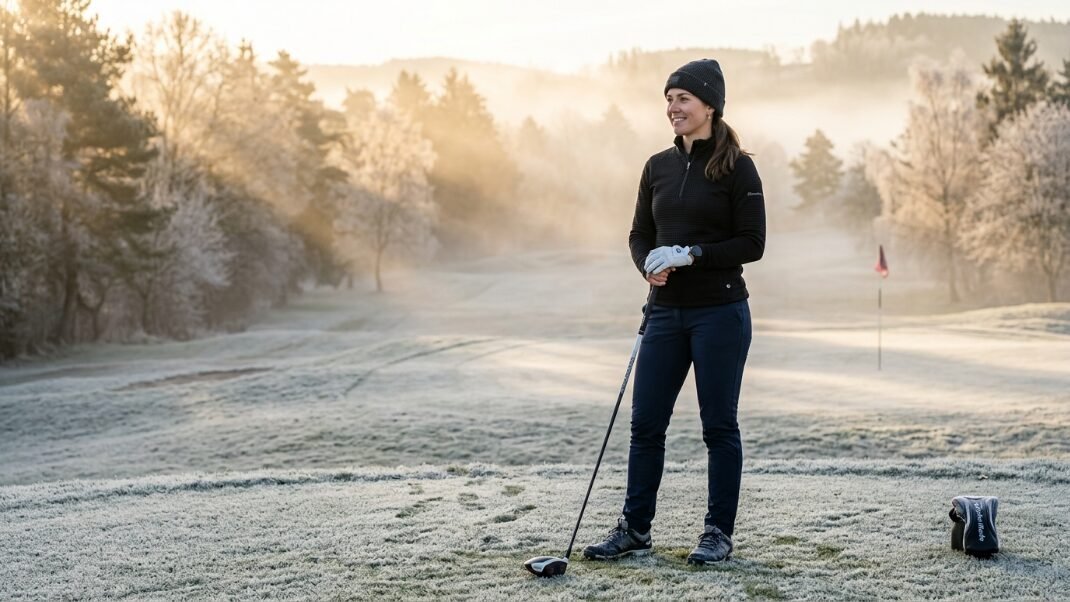
You step onto the first tee. The temperature sits at 38 degrees. Frost covers the fairway grass. You wear a thick cotton hoodie and old jeans. You swing the driver. Your body feels completely stiff. The club strikes the ground early. The ball rolls fifty yards into the rough. You feel miserable. I lived this exact nightmare during a November morning in Ohio. Playing golf in freezing temperatures requires a specific plan. Most players dress completely wrong for these conditions. They wear the wrong fabrics. They lose body heat fast. They ruin their scorecard before the third hole. In my experience, changing your golf outfit changes your entire day on the course. I spent three years testing different layers across frozen public courses. I spent hundreds of dollars on the wrong gear. Now I know exactly what works. You need the right athletic fits. You need materials that block wind. You need clothes that let your hips turn freely.
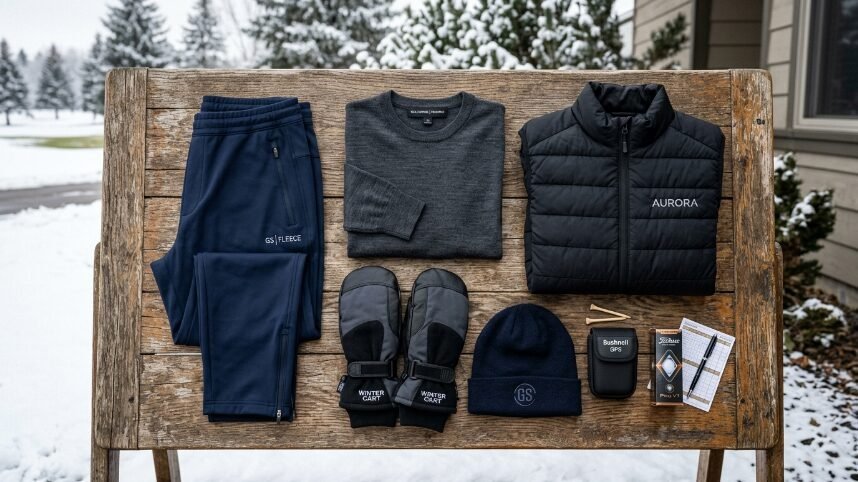
You will read five specific errors players make when temperatures drop below 50 degrees. You will read exact brand comparisons. I detail why cotton destroys your morning round. I explain how standard winter pants restrict your hip turn. You get exact pricing on the right athletic fits. You get a complete breakdown of layering choices. Expect realistic budget estimates ranging from $50 to $300. I share a specific case study of a player who cut six strokes just by changing his cold weather golf pants. By the end of this guide, you will know exactly how to stay warm without sacrificing your swing speed.
1. Wearing Heavy Cotton Instead of Technical Base Layers
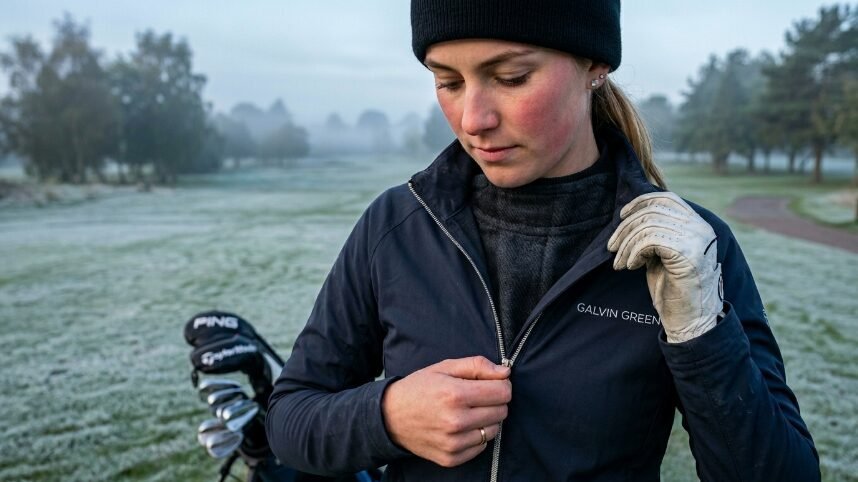
Many golfers check the morning weather app and panic. They grab the thickest cotton sweatshirt in their closet. This choice ruins the round instantly. Cotton traps moisture against your skin. You sweat during your swing. The sweat stays in the fabric. The cold air hits the wet cotton. Your core temperature drops fast. You shiver over every putt.
The Sweat Freeze Trap
I played a round at Cog Hill in Illinois last October. The wind blew steady off the lake. I wore a heavy cotton waffle shirt. By the fourth hole, my back felt damp from walking the hills. By the sixth hole, I could not stop my teeth from chattering. Cotton holds water like a sponge. When the outside air drops below 40 degrees, that wet shirt acts like an ice pack on your spine. Your muscles tighten. A tight back means a short swing. A short swing causes weak slices into the woods.
Merino Wool vs Synthetic Blends
You need fabrics that pull moisture away from your body. Merino wool does this perfectly. Smartwool makes a classic long-sleeve base layer for $110. It feels thin but traps heat close to your skin. The wool naturally resists odor and pulls sweat outward. If you want a cheaper option, synthetic blends work well. Under Armour ColdGear costs around $55. The synthetic material hugs your body tight. It acts like a second skin. It blocks the wind without adding bulk to your arms.
Exact Cost Breakdown for Base Layers
- Smartwool Classic Merino: $110
- Under Armour ColdGear Crew: $55
- Nike Pro Warm Long Sleeve: $60
- Baleaf Thermal Base Layer: $25
Case Study: The 18-Hole Freeze Out
My friend Mark refused to buy a proper base layer. He wore two cotton t-shirts under a thick cotton hoodie during our trip to Bandon Dunes. The Oregon coast wind cut right through him. He shot a 98. The next day, he drove to the pro shop. He bought a proper FootJoy thermal base layer for $75. He wore just that layer and a thin windbreaker. He felt warmer. His swing returned to normal. He shot an 84. The fabric made a 14-stroke difference.
2. Ignoring Lower Body Mobility with Rigid Trousers
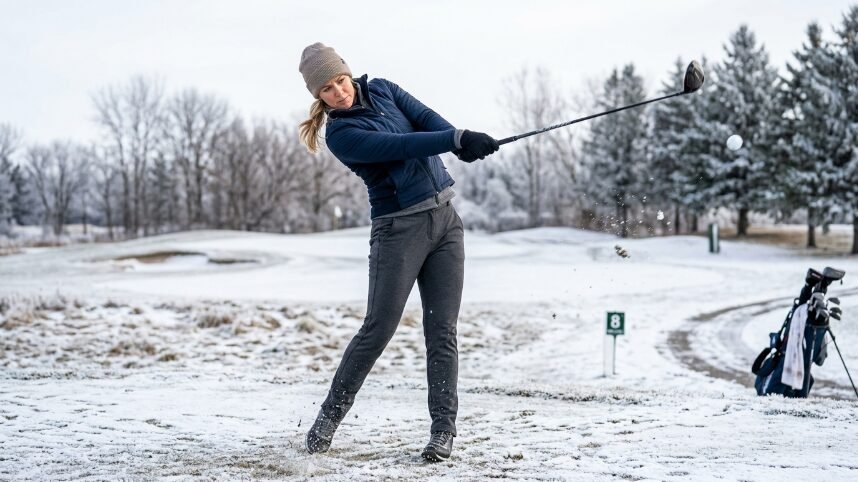
Golfers completely forget their legs when dressing for the cold. They focus entirely on their chest and arms. When the wind picks up, they reach for the thickest pants they own. Sometimes they wear thick jeans. Sometimes they try wearing heavy winter work pants. Both choices destroy a golf swing.
The Problem with Standard Winter Pants
You need your hips to rotate fast to hit the ball far. Thick canvas restricts movement. Carhartt makes great winter pants for construction sites. They cost about $80. They keep you incredibly warm. But they do not stretch. If you wear mens work pants on the tee box, your lower body stops moving. Your arms take over the swing. You hit fat shots. You lose thirty yards on your drives.
Athletic Fits That Retain Heat
You need specific golf pants designed for winter weather. These pants use a four-way stretch material. They have a water-resistant coating on the outside. They have a thin fleece lining on the inside. You get the warmth of winter pants with the stretch of athletic fits. Lululemon makes the ABC Classic-Fit Pant in a Warmer fabric for $128. Puma makes the Jackpot Tailored pants for $85. Both give your legs total freedom.
Fleece-Lined Golf Pants Comparison
I bought three different pairs of winter golf pants last season. I tested them in 35-degree weather.
- Lululemon ABC Warmer ($128): Fits great. Moves perfectly. Very warm.
- Puma Jackpot Winter ($85): Good stretch. Keeps wind out. Slightly bulkier ankle.
- Baleaf Fleece Golf Pants ($40): Budget option. Very warm. Less stretch than premium brands.
Why Mens Work Pants Fail on the Course
I watched a guy wear heavy flannel-lined denim jeans at my local municipal course. Every time he crouched to read a putt, the pants bunched behind his knees. He looked uncomfortable. Golf requires hundreds of small movements. You bend over to tee the ball. You squat to read greens. You climb out of deep bunkers. Rigid winter work fabric fights you on every single movement. Buy dedicated cold weather athletic fits instead.
3. Stacking Thick Outerwear That Destroys Your Swing Path
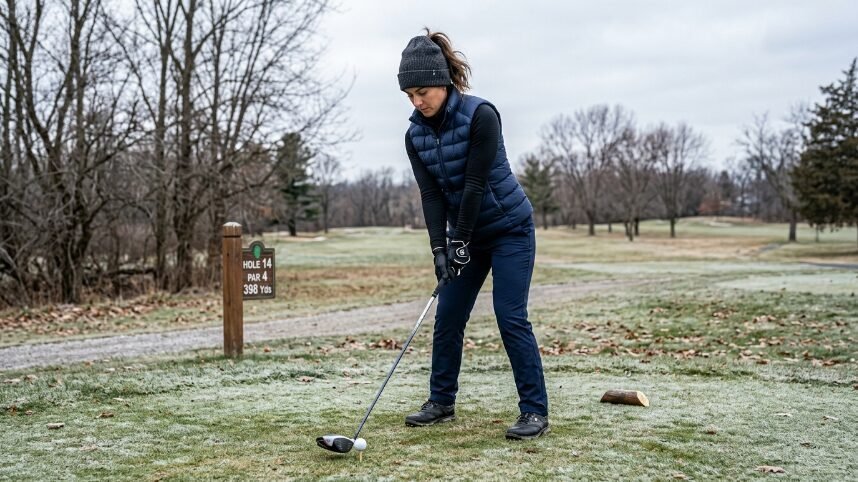
Layering causes mass confusion on the golf course. People think more layers equal more warmth. They put a polo shirt over a base layer. Then they add a sweater. Then they put a massive winter coat over everything. They look like a stuffed marshmallow. They cannot cross their arms over their chest.
The Bulk vs Warmth Dilemma
Your shoulders must rotate under your chin. Your lead arm must stay straight. Thick winter jackets make this impossible. The fabric bunches up in your armpits. You feel trapped. You end up taking a half-swing because the jacket literally stops your arms from moving higher. You lose speed.
Golf Vests as the Ultimate Solution
In my experience, the vest is the single best piece of cold weather golf clothing. A vest keeps your core completely warm. Your organs stay heated. Blood pumps warmly to your arms. But your shoulders face zero restriction. The Patagonia Nano Puff Vest costs $149. It weighs almost nothing. It traps heat perfectly. You swing freely.
Windproof vs Waterproof Shells
You must check the forecast. Cold and dry requires a different shell than cold and raining.
- FootJoy HydroLite Jacket ($195): Keeps water out. Very thin. No stretch.
- Callaway Weather Series Pullover ($85): Blocks wind. Stretches well. Gets wet in heavy rain.
- Titleist Players Vest ($125): Keeps the chest warm. Lets arms swing fast.
My Personal Layering System
I use a specific three-piece system for any round under 45 degrees. First, I wear a tight Under Armour ColdGear long sleeve. Second, I wear a standard golf polo over the base layer. Third, I wear a down-filled vest. My arms feel light. My chest stays warm. I hit the ball exactly as far as I do in July.
4. Neglecting Hands and Extremities Early in the Round
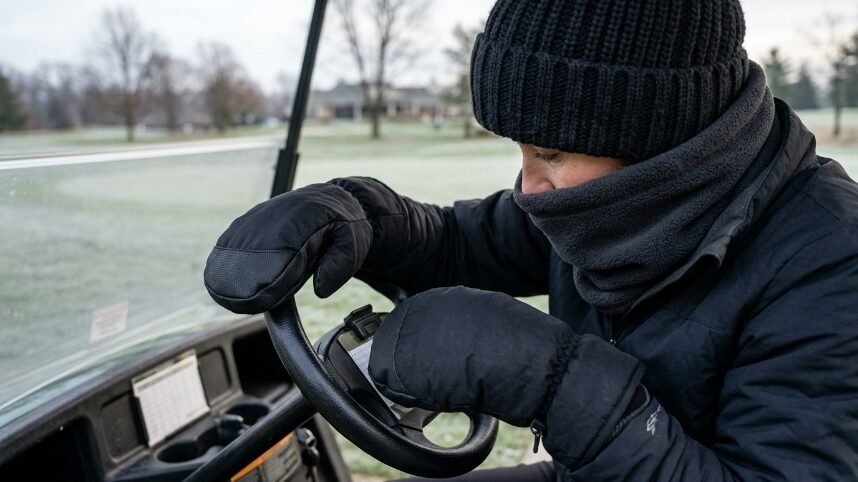
Golf relies entirely on feel. Your hands hold the club. If your fingers go numb, you cannot feel the clubhead. You grip the club too tight. You lose touch on delicate chip shots. Most players leave their hands exposed to the freezing wind for four hours.
The Cart Mitten Strategy
Standard golf gloves do nothing to stop the cold. They use thin leather designed for sweat control in the summer. You need winter-specific hand protection. Titleist makes Winter/Cart Mitts for $35. These are massive mittens you wear between shots. You hit your drive. You put the mittens on immediately. You walk to your ball. You take the mittens off right before you swing. Your hands stay hot.
Neck Gaiters and Beanie Selections
You lose massive amounts of heat from your neck and head. Wearing a standard baseball cap in December makes zero sense. The wind freezes your ears. I bought a fleece-lined Titleist beanie for $25. It covers my ears completely. I also wear a Nike fleece neck gaiter for $20. The gaiter stops the cold wind from blowing down my shirt collar.
Hand Warmers Placement Tricks
I buy a massive box of HotHands warmers at the start of November. They cost about $10 for 10 pairs. I open two warmers on the drive to the course.
- Place one warmer inside your right cart mitten.
- Place one warmer inside your left cart mitten.
- Keep the mittens in your jacket pockets between shots.
Losing Feel Means Losing Strokes
I tried to play bare-handed during a frosty morning in Pennsylvania. My fingers turned bright red. I faced a thirty-yard pitch shot over a bunker. I could not feel the weight of my wedge. I gripped the club as hard as I could. I bladed the ball straight over the green into the water. Spend the money on cart mittens. Protect your hands.
5. Choosing the Wrong Footwear for Frozen Turf
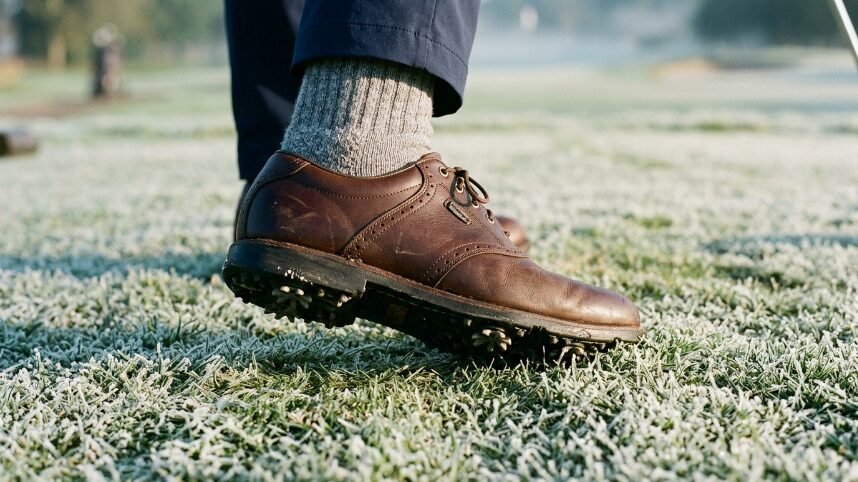
Summer golf shoes use light mesh. The mesh lets air flow over your feet in hot weather. Wearing summer mesh shoes in November ruins your day. Morning frost melts by 10 AM. The fairway becomes a wet sponge. The water soaks straight through the mesh. Your socks get wet. Your toes freeze. You cannot concentrate.
The Waterproof Guarantee Myth
Many brands claim their shoes resist water. Water-resistant means nothing on a wet golf course. You need fully waterproof shoes with a one-year warranty. The FootJoy Pro/SL costs $170. It uses premium waterproof leather. I stood in a puddle covering my laces to find my ball. My feet stayed bone dry.
Spiked vs Spikeless on Frost
Frozen grass gets incredibly slippery. Summer spikeless shoes feature small rubber nubs on the bottom. These nubs clog with wet leaves and freezing mud. You slip on the tee box. Your back foot slides out. You pull a muscle. You need real plastic spikes for winter golf. The Adidas Tour360 costs $200. The spikes dig deep into the hard, freezing ground. You get total traction.
The Wool Sock Requirement
Even in waterproof shoes, the cold ground pulls heat from your feet. Standard thin cotton socks do not insulate. You need thick wool socks. Darn Tough makes specific athletic wool socks for $25 a pair. They guarantee them for life. They keep your toes warm even if you step in a freezing puddle.
Transitioning from Summer Golf Dresses to Winter Gear
Women face a similar gear shift. Many women wear light golf dresses from May to September. A golf outfit must change radically in October. You cannot pair summer golf dresses with a jacket and expect to stay warm. The wind hits bare legs instantly. Women must switch to thermal leggings or fleece-lined winter pants. Brands like Athleta make cold-weather golf leggings for $98. These leggings block the wind while allowing a full hip turn.
Frequently Asked Questions
How many layers should I wear in 40-degree weather?
You need exactly three layers. Wear a tight thermal base layer first. Put a standard polo or light long-sleeve shirt over it. Add a windproof vest on top. Three layers give you maximum heat retention without ruining your swing path.
Are fleece-lined golf pants worth the money?
Yes. Standard pants let the wind freeze your legs. Fleece-lined athletic fits cost between $80 and $130. They block the wind entirely. They stretch with your body. You will use them for years.
Can I wear standard winter work pants for golf?
You should avoid mens work pants on the course. Brands like Carhartt use heavy canvas. The thick fabric prevents your hips from turning fully. You will lose swing speed and hit fat shots.
How do I keep my hands warm between shots?
Buy a pair of winter cart mittens for $35. Put an activated HotHands warmer inside each mitten. Wear the mittens while walking or driving the cart. Take them off only to hit the golf ball.
Does cold weather reduce golf ball distance?
Yes. Cold air is dense. A golf ball flies shorter in cold air. The ball itself also gets hard and loses compression. Expect your shots to fly half a club shorter in 40-degree weather compared to 80-degree weather.
What is the best base layer material?
Merino wool performs best. It pulls sweat away from your skin. It traps your body heat. It does not hold odor. A Smartwool base layer costs about $110. Synthetic blends from Under Armour cost about $55 and perform very well.
Why do my toes freeze on the golf course?
You probably wear summer mesh shoes. Morning frost melts and turns the grass wet. Water soaks through the mesh instantly. Buy waterproof leather shoes like the FootJoy Pro/SL. Pair them with thick wool socks from Darn Tough.
Can I wear a winter jacket while playing?
You should not swing in a thick winter coat. The bulky sleeves stop your arms from extending. The chest fabric bunches under your chin. Wear a thermal base layer and a vest instead.
Do I need spikes for cold weather golf?
Yes. Cold, wet grass gets extremely slippery. Mud hardens. Flat spikeless shoes lose traction. Plastic spikes grip the frozen turf. They stop your back foot from sliding during the downswing.
How much does a good cold weather golf outfit cost?
Expect to spend around $250 for a solid setup. A base layer costs $55. Fleece-lined pants cost $85. A good vest costs $110. This single investment saves you from miserable mornings.
What type of hat should I wear in the winter?
Leave the baseball cap at home. You lose heat from your ears quickly. Wear a fleece-lined beanie. Titleist makes great winter beanies for $25. Pair it with a neck gaiter to block the wind.
Does wearing cotton really ruin a round of golf?
Yes. Cotton absorbs your sweat. It holds the wet moisture against your skin. The cold wind freezes the wet cotton. Your core temperature drops quickly. You will shiver for four hours.
Conclusion
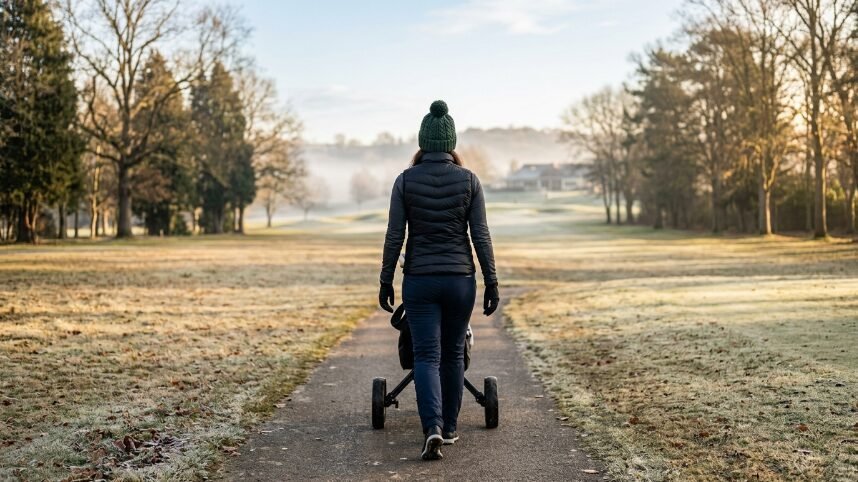
Playing in freezing temperatures tests your patience. Most players fail before they even leave the parking lot. They dress in thick cotton. They wear rigid pants that block their hip turn. They lose all feeling in their hands by the second hole. You now have the exact blueprint to avoid these errors. Buy a proper merino wool base layer. Invest in fleece-lined athletic fits for your lower body. Use a vest instead of a bulky jacket. Protect your hands with cart mittens between shots. Spend the money on waterproof shoes with real spikes. I wasted years freezing on the course. You do not have to repeat my errors. Leave a comment below with your favorite brand of winter golf pants.

Jenna Carter is the Senior Style Editor at Her Golf Outfit and a lifelong golfer turned certified personal stylist. With a background in retail buying for major athletic brands, she leads our brand reviews and lookbook curation, spotting the pieces worth your money and decoding country-club dress codes so you never second-guess what to wear to the clubhouse.