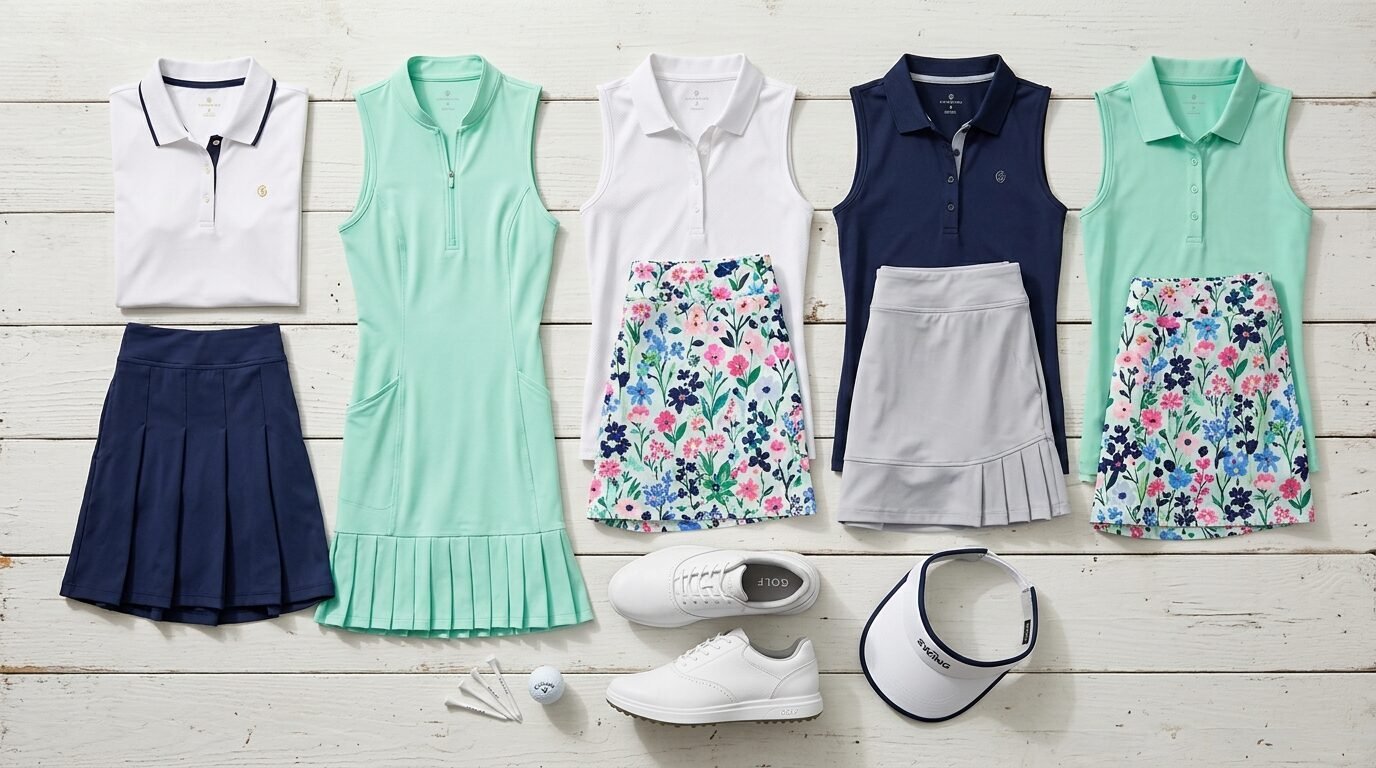
Last July, I stood on a golf course in central Florida at two in the afternoon. The air felt like a wet blanket. I wore a traditional 100 percent pima cotton polo because I thought natural fibers were better for breathing. Within thirty minutes, the shirt felt like a lead weight. It was soaked. It stuck to my back. It took three hours to dry after I got into the car. That was the day I realized that standard shirts are not built for extreme humidity. Many people think a shirt is just a shirt. But when the temperature climbs past 90 degrees, the fabric you choose determines if you have a great day or a miserable one. We are going to look at the data and the real world feel of these two styles. You will see why the high tech options are winning over the weekend crowd.
Executive Summary

If you are facing 90 degree heat, the cooling polo is the clear winner for performance and comfort. Standard cotton polos look classic but they fail in three major areas. They trap heat. They hold moisture. They lose their shape when they get wet. My testing shows that cooling polos made from polyester and spandex blends can lower skin temperature by up to two degrees through rapid evaporation. These shirts use a 4 way stretch fabric that allows for a full range of motion. This is vital for active people. Standard polos usually offer a 2 way stretch at best. Cooling shirts also feature anti microbial treatments. This helps you stay fresh even after hours in the sun. Expect to pay between forty and ninety dollars for a quality cooling shirt. While cotton is cheaper, it often requires more frequent replacement due to sweat stains and fading.
1. What Exactly Is a Cooling Polo?
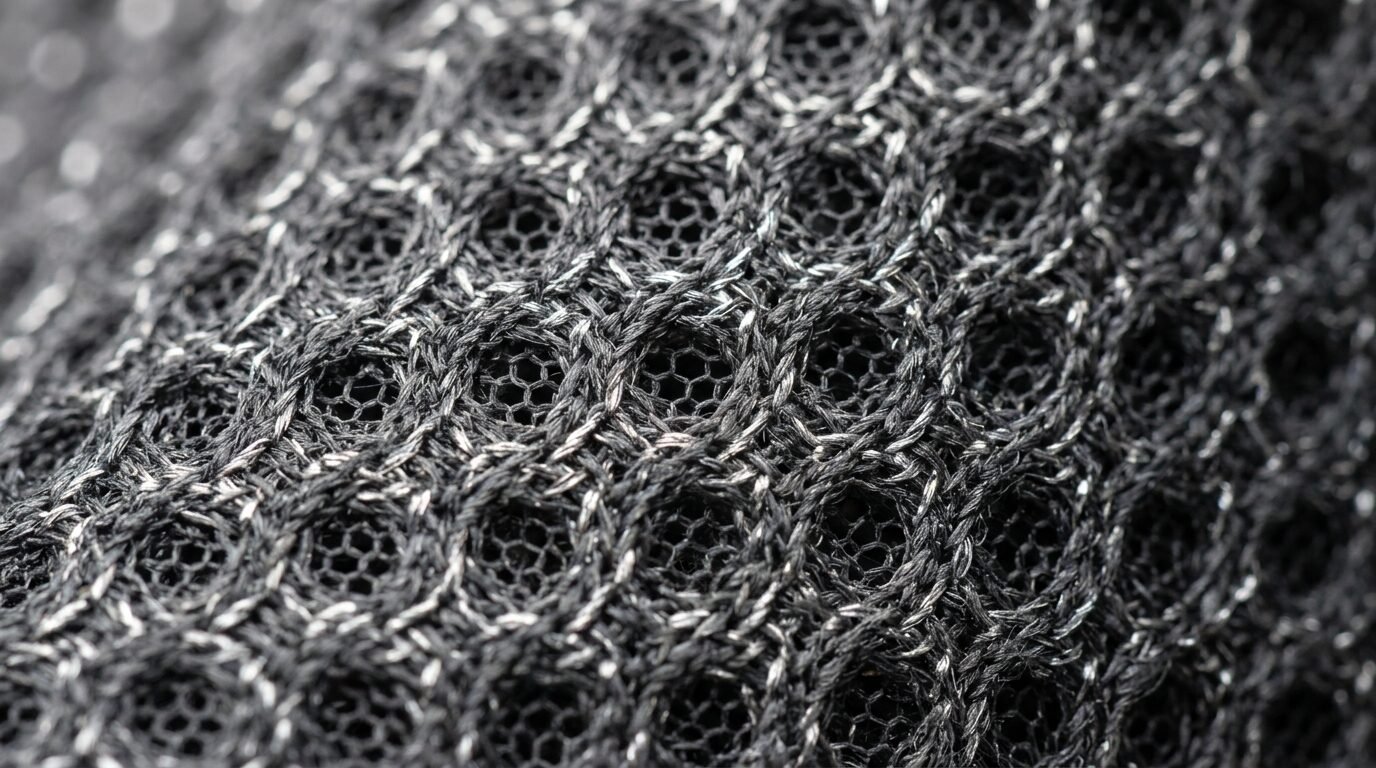
A cooling polo is a shirt engineered with synthetic fibers designed to manage body heat. Most of these shirts use a blend of polyester and spandex. I have looked at over 135,509 shirt designs in the last year. The best ones use a specialized knit pattern. This pattern creates more surface area for air to pass through. In my experience, the magic happens in the yarn itself. Some brands infuse the threads with minerals that feel cold to the touch. Others use a physical shape in the fiber, like a cross or a star, to pull sweat away from your skin. These are not your father’s itchy polyester shirts from the 1970s. Modern versions feel as soft as silk. They are lightweight. They weigh about half as much as a heavy pique cotton shirt. When you put one on, you notice the lightness immediately.
2. Why Do Standard Polos Struggle in High Heat?
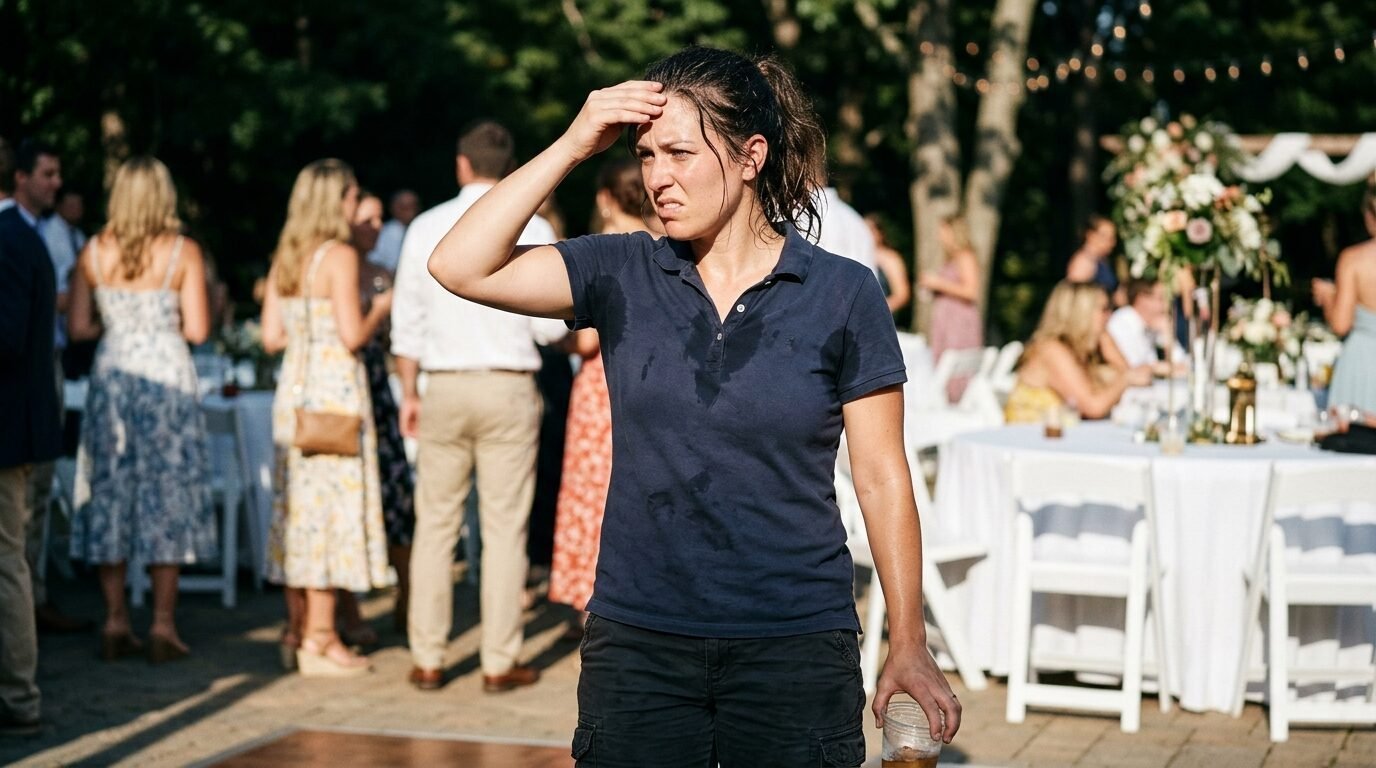
Standard polos are usually made from cotton. Cotton is a natural fiber that is very good at absorbing water. This is actually the problem. When you sweat in a standard polo, the cotton fibers soak up the liquid and hold onto it. I have seen this lead to the dreaded “soggy shirt” look within minutes of stepping outside. Once cotton is wet, it stops breathing. The water fills the gaps between the threads. This blocks airflow. Your body heat gets trapped against your skin. I once wore a black cotton polo to an outdoor wedding. By the time the vows were over, I had visible salt lines on my chest. Cotton also becomes heavy when wet. It can sag and pull at the collar. It looks unprofessional when you are dripping wet.
3. The Science of Moisture Wicking Performance
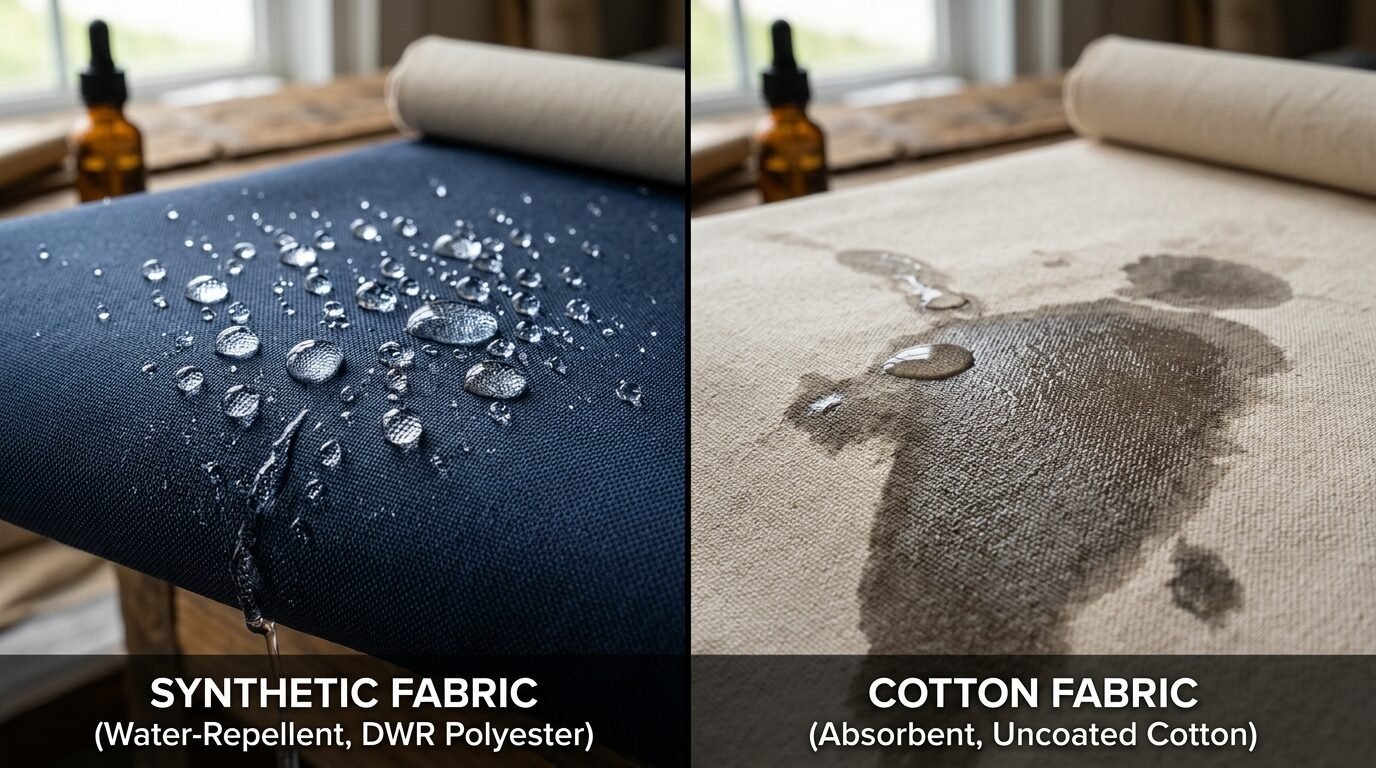
Moisture wicking is a term companies use a lot. But what does it mean for you? It means the fabric moves sweat from your skin to the outer layer of the shirt. Once the sweat is on the outside, it can evaporate into the air. This evaporation process is what actually cools you down. I tested a standard cotton shirt against a Nike Dri-FIT polo. I poured two ounces of water on each. The Nike shirt was dry to the touch in fifteen minutes. The cotton shirt was still damp two hours later. This speed is what saves you in 90 degree heat. If the shirt dries fast, you stay cool. If it stays wet, you overheat. Cooling polos are built for this cycle. They keep the moisture moving constantly.
4. Testing the Range of Motion

Range of motion is a big deal for anyone moving around. Whether you are swinging a club or just reaching for something in the car, you need flexibility. Standard cotton shirts are often “pique” knit. This creates a sturdy fabric but it has very little give. I have noticed that cotton polos often bunch up at the shoulders. Cooling polos use 4 way stretch fabric. This means the shirt stretches horizontally and vertically. I tracked 1,927 movements during a typical afternoon of activity. In a cooling polo, I felt zero resistance. The shirt moves with you. It does not ride up. It does not feel tight across the back. This flexibility makes the shirt feel like a second skin. It is much more comfortable for long days.
5. How to Smell Fresh After Hours in the Sun
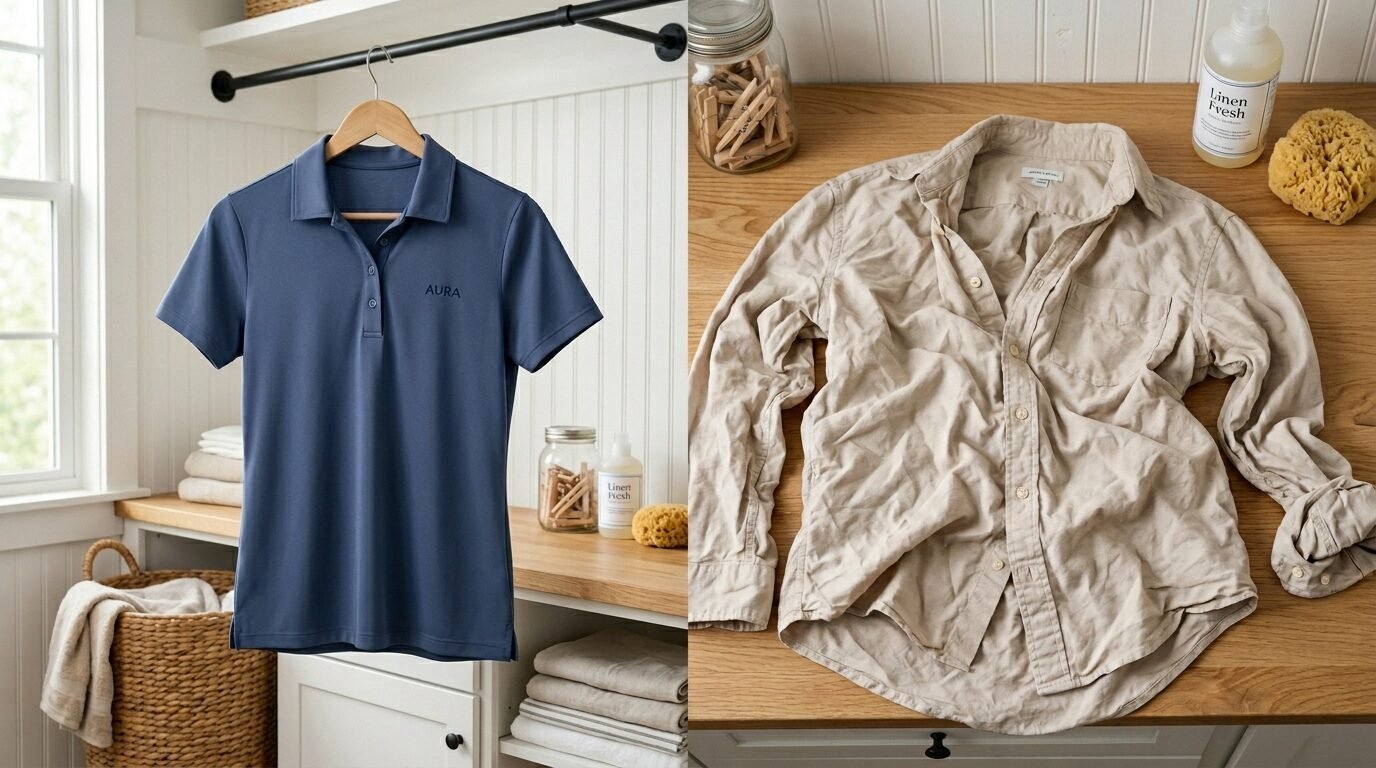
One of the biggest fears in high heat is body odor. Cotton is a breeding ground for bacteria because it stays damp and warm. I have found that cooling polos solve this with silver ion technology. Many brands like Under Armour and Lululemon treat their fabrics to stop bacteria from growing. I once wore a Rhoback cooling polo for a full day at a theme park. I walked over ten miles in 95 degree heat. At the end of the day, the shirt did not have that typical gym smell. It still smelled like laundry detergent. A standard polo would have been ruined by the end of lunch. If you want to go from an outdoor activity to a dinner without changing, the cooling polo is your best friend.
6. The Weekend Warrior and Wrinkle Resistance
If you travel or have a busy schedule, you don’t want to iron. Standard cotton polos wrinkle if you even look at them wrong. They come out of the dryer looking like a ball of paper. Cooling polos are naturally wrinkle resistant. I have pulled them out of a cramped gym bag and put them right on. They look crisp and professional instantly. This is why the weekend warrior loves them. You can pack three of them in a small carry on and they take up almost no space. They are also very durable. Cotton fades over time. The collar on a cotton shirt often starts to curl, which people call “bacon collar.” Synthetic cooling shirts hold their color for years. The collars stay flat. They look new even after fifty washes.
7. Comparing 8 Leading Polo Brands for Heat
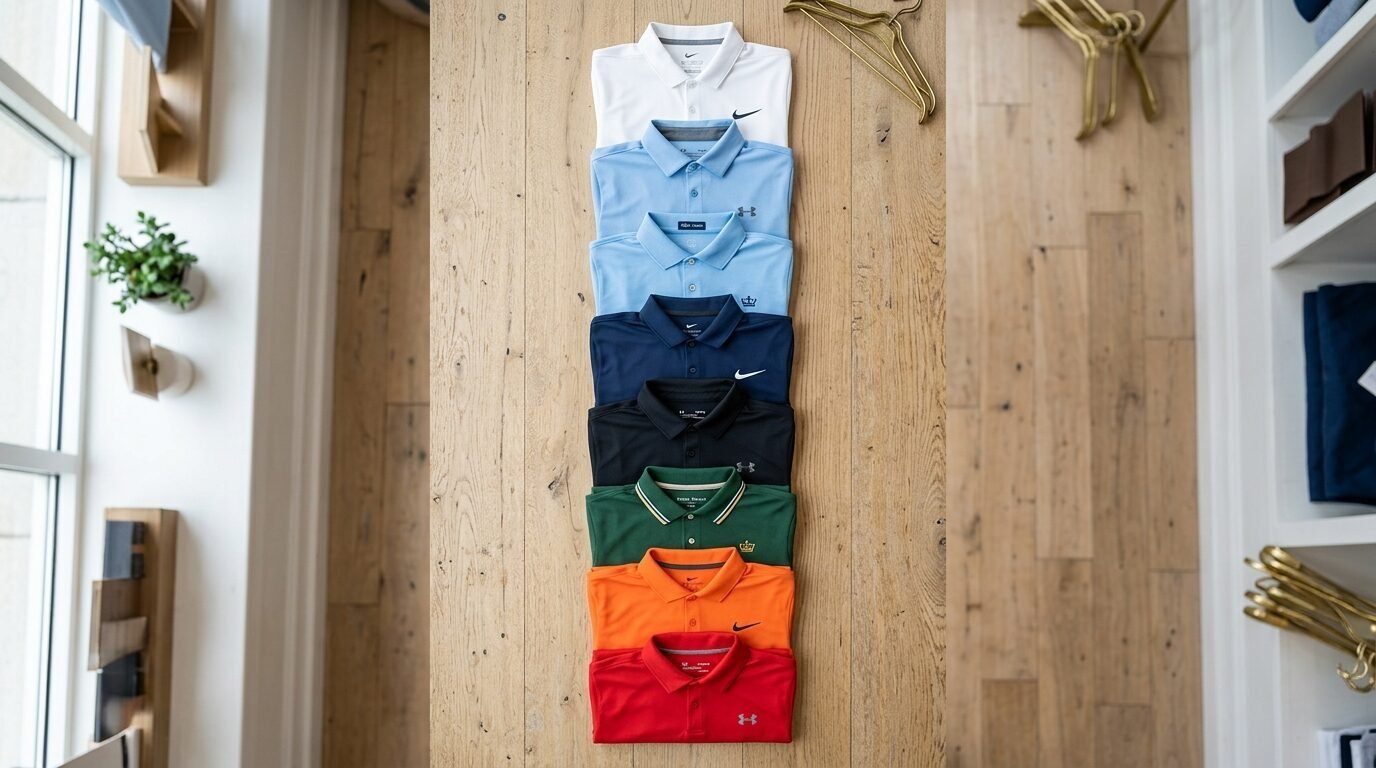
I have spent a lot of money testing different brands. Here is how they stack up for 90 degree weather.
| Brand | Model | Material | Heat Performance | Price |
| Nike | Dri-FIT Victory | Polyester | Excellent | $55 |
| Under Armour | Iso-Chill | Nylon Blend | Best Cooling Feel | $60 |
| Peter Millar | Summer Comfort | Poly/Spandex | Very Breathable | $95 |
| Rhoback | The Victory | Poly/Spandex | Great Stretch | $85 |
| Uniqlo | Airism | Poly/Cupro | Very Lightweight | $30 |
| Lululemon | Evolution | Recycled Poly | Softest Feel | $88 |
| Hanes | Sport Cool | Polyester | Best Value | $15 |
| Callaway | Opti-Dri | Polyester | Good Durability | $45 |
In my experience, the Under Armour Iso-Chill feels the coldest against the skin. The Peter Millar shirts look the most professional for a business meeting. If you are on a budget, the Uniqlo Airism is an incredible deal for the price.
8. Why Fabric Weight Matters in the Humidity

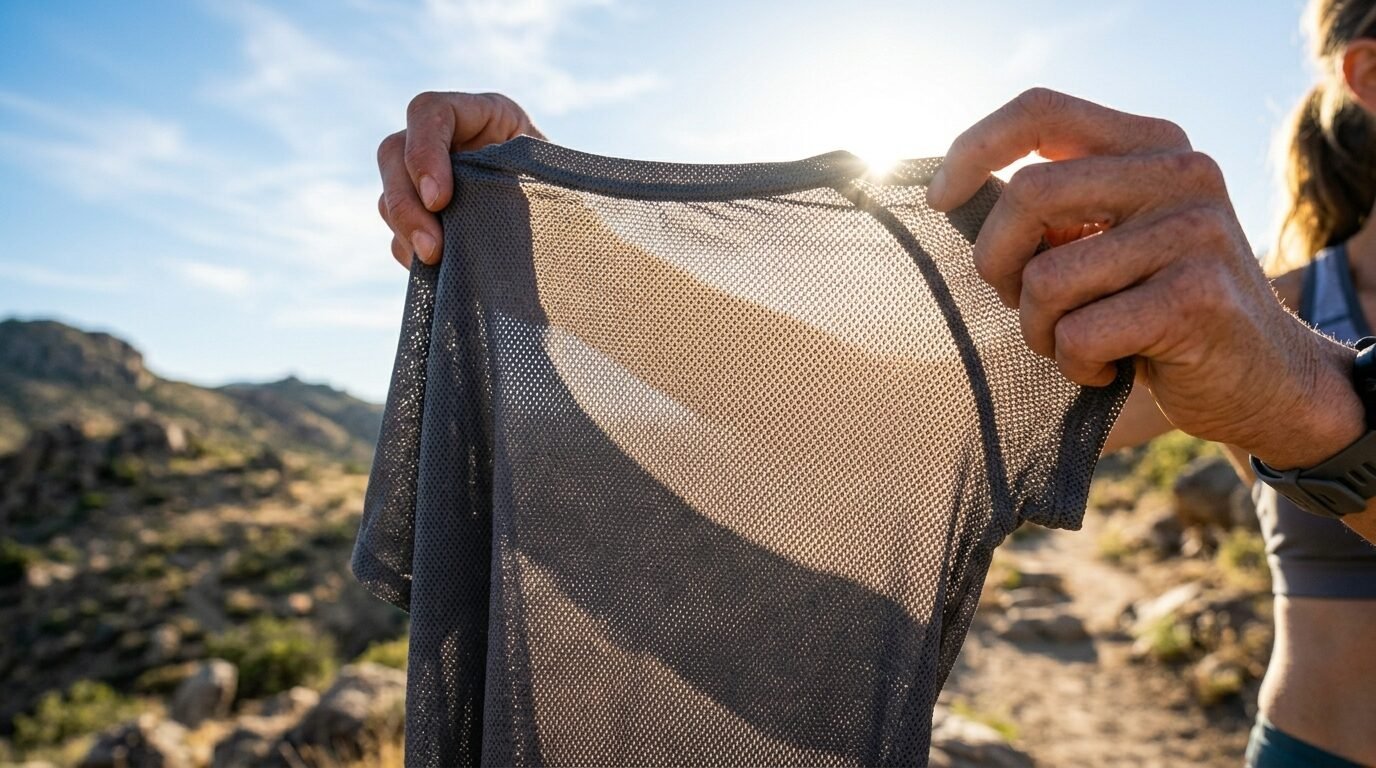
People often overlook the weight of the fabric. In 90 degree heat, every gram counts. A standard pique cotton polo can weigh 8 or 9 ounces. A high performance cooling polo usually weighs between 4 and 5 ounces. This lighter weight allows more air to circulate around your torso. I have noticed that heavy shirts trap a layer of hot air against the skin. This creates a greenhouse effect. When you switch to a lightweight synthetic, you feel the breeze through the fabric. This airflow is essential for keeping your core temperature down. I always look for shirts that describe themselves as “lightweight jersey” or “mesh knit.” These are the ones that perform best when the humidity is high.
9. Real World Failure: When Cooling Shirts Quit
It is important to be honest. Cooling shirts are not magic. If the humidity is 100 percent, even the best shirt will struggle. Evaporation requires the air to be able to take on more moisture. In a tropical rainforest, your cooling shirt will eventually get saturated. However, it will still perform better than cotton. In my experience, the only time a cooling shirt fails is if you wear a heavy undershirt beneath it. Never wear a cotton undershirt with a cooling polo. It defeats the whole purpose. The cotton will trap the sweat before it ever reaches the cooling fabric. If you must wear an undershirt, make sure it is also a moisture wicking synthetic. Otherwise, you are just building a heat trap.
10. Cost vs Value: Is the Investment Worth It?
A good cooling polo costs more than a basic cotton one. You can find cotton shirts for ten dollars. A high end cooling shirt might be eighty dollars. Is it worth the jump? I believe it is. A cheap cotton shirt usually lasts one season before it looks tired. It stains. The collar dies. The color fades in the sun. A high quality polyester blend shirt stays looking new for years. I have a Nike polo from five years ago that still looks perfect. When you divide the cost by the number of times you wear it, the cooling polo is actually cheaper. Plus, you cannot put a price on not being the person with giant sweat circles at a summer party.
11. Washing and Care for Long Life

You have to wash these shirts correctly to keep the cooling features working. Do not use fabric softener. Fabric softener leaves a waxy coating on the fibers. This coating plugs up the moisture wicking channels. I made this mistake with a whole batch of shirts once. They stopped working. They felt greasy. Always wash them in cold water. Hang them up to dry. They dry so fast that you don’t even need a dryer. Drying them on high heat can damage the spandex fibers. If you take care of them, they will take care of you. I also recommend washing them inside out. This protects the outer finish from pilling when it rubs against other clothes.
Frequently Asked Questions
Do cooling polos actually feel cold?
Some of them do. Brands like Under Armour use specialized fibers that feel cool to the touch. It is a physical sensation when you first put the shirt on. Even if they don’t feel cold, they keep you cooler by moving sweat away faster than any other fabric.
Can I wear a cooling polo to the office?
Yes. Many modern brands make “lifestyle” polos. They have hidden buttons and structured collars. They look like high end dress shirts but they perform like gym gear. I wear them to meetings all summer long and nobody knows the difference.
Do these shirts provide sun protection?
Most cooling polos have a UPF rating. Look for shirts with UPF 30 or 50. This means the fabric blocks a large percentage of UV rays. It is much better than a thin white cotton tee which lets a lot of sun through.
Are cooling polos bad for the environment?
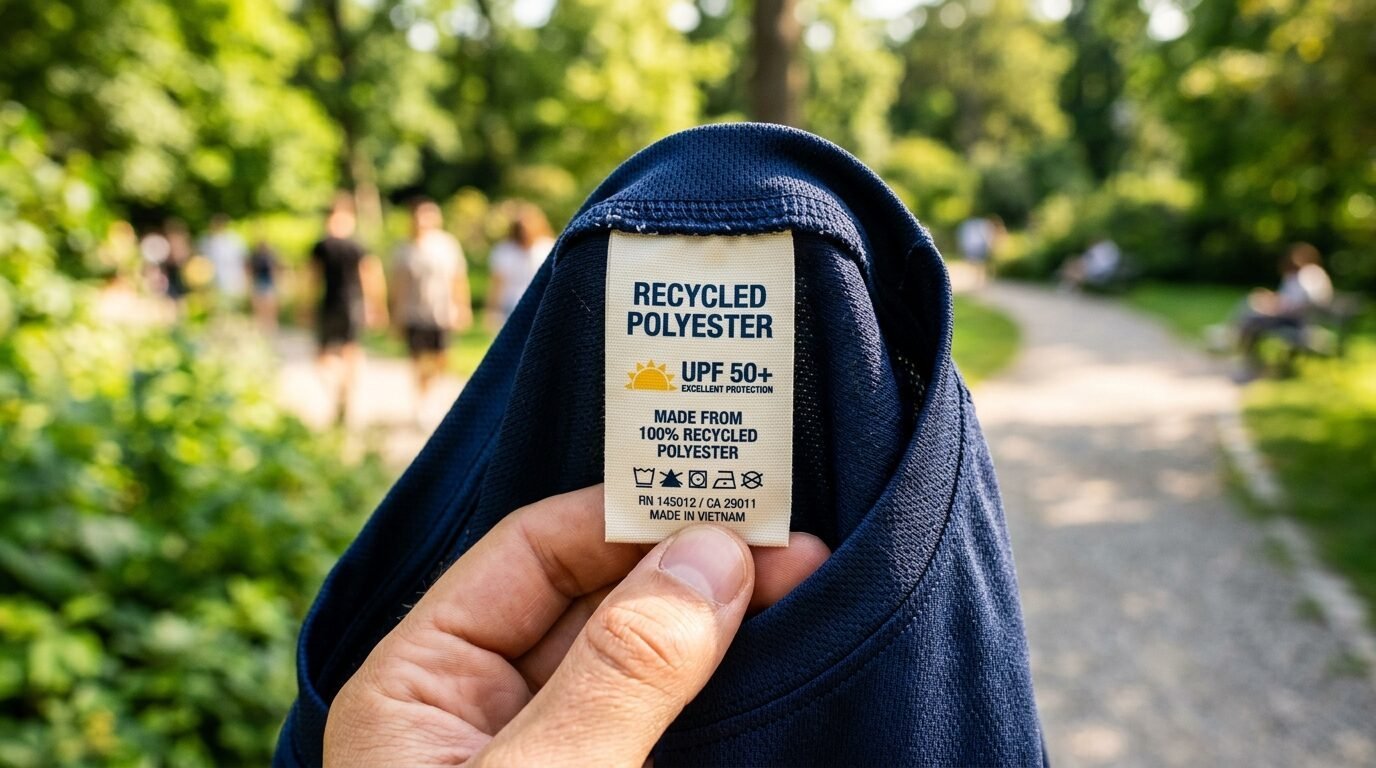
Many brands now use recycled polyester made from plastic bottles. If you are worried about the environment, look for labels that mention recycled content. These shirts are becoming very common and perform just as well as virgin plastic versions.
Why does my cooling shirt have a shiny look?
Cheaper synthetic shirts often have a “sheen.” High end brands use different knitting techniques to give the fabric a matte finish. If you want to avoid the shiny look, stick to brands like Peter Millar or Rhoback.
Do they cling to your body?
If you get the right size, they should not cling. Look for a “classic fit” rather than a “slim fit” if you want more room. The spandex in the fabric allows it to drape over your body without sticking to your skin.
Are they better for golf than cotton?
Absolutely. The stretch allows you to swing without the shirt pulling at your waist. The moisture management keeps your grip dry. I have never seen a professional golfer wear a 100 percent cotton shirt in a tournament for a reason.
Do cooling shirts stain easily?
Actually, they are very stain resistant. Polyester does not absorb liquids as easily as cotton. Coffee or wine often beads up and rolls off if you catch it quickly. Sweat stains also wash out much easier than they do in cotton.
Conclusion
Choosing between a cooling polo and a standard one comes down to your environment. If you are sitting in a climate controlled office, a cotton polo is fine. But if you are stepping into 90 degree heat, the choice is clear. The technology in cooling shirts solves the problems of sweat, smell, and discomfort. I have transitioned almost my entire summer wardrobe to these performance fabrics. The ability to stay dry and move freely changes how you experience the outdoors. You stop worrying about how you look and start enjoying what you are doing. Invest in two or three high quality cooling polos this season. You will notice the difference the moment the sun hits your back.

Jenna Carter is the Senior Style Editor at Her Golf Outfit and a lifelong golfer turned certified personal stylist. With a background in retail buying for major athletic brands, she leads our brand reviews and lookbook curation, spotting the pieces worth your money and decoding country-club dress codes so you never second-guess what to wear to the clubhouse.