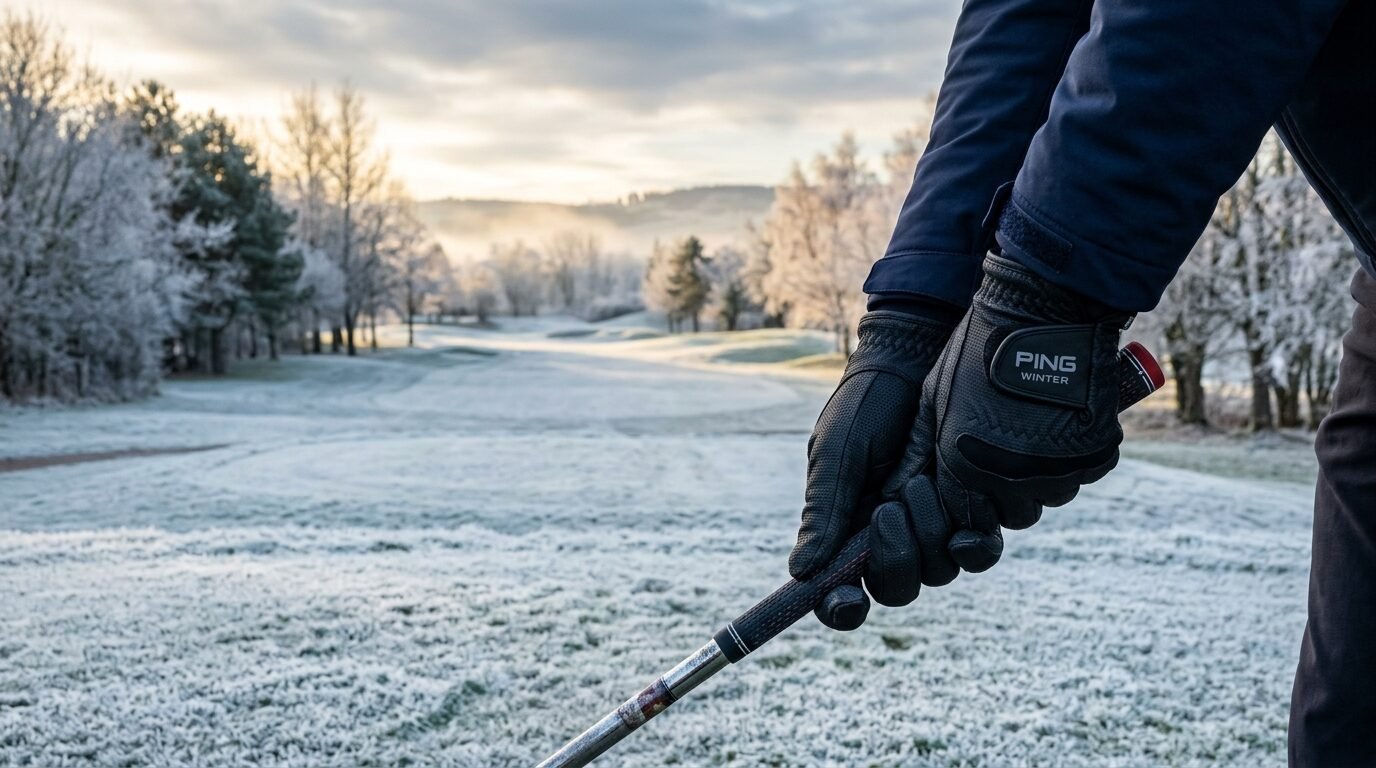
The wind cut through my polo like a knife last November. I stood on the third tee, shivering so hard my back muscles felt like tight rubber bands. My swing was short, jerky, and honestly embarrassing. I had three bulky sweaters on, yet I was freezing and couldn’t turn my shoulders. That round taught me a painful lesson. You cannot just pile on clothes and expect to play well. You need a system.
Playing golf in 40-degree weather requires a strategy. If you get it right, the course is quiet, the rates are lower, and you feel like a pro. If you get it wrong, you spend four hours miserable and ruin your scorecard. This guide breaks down the exact 4-layer system I use to stay toasty while maintaining a full range of motion. We will look at why specific fabrics matter and how to stop the wind from stealing your focus.
Executive Summary
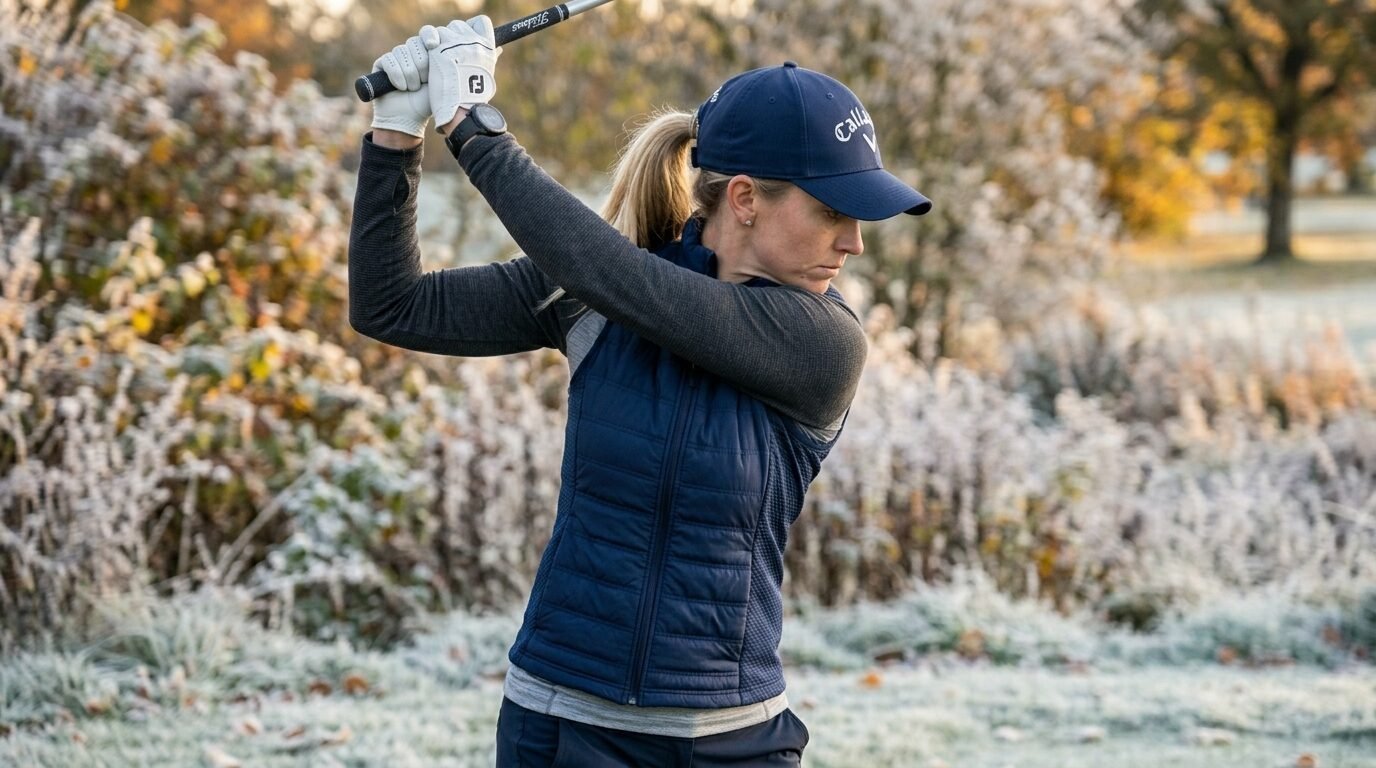
This system focuses on core temperature regulation and swing freedom. We move away from heavy coats and toward technical fabrics that trap heat without adding mass. You will learn how to select a base layer that stays dry, a mid-layer that breathes, and an outer shell that blocks the elements.
- Timeline: Setup takes five minutes before your round.
- Key Benefit: Maintains 100% swing mobility in sub-50-degree weather.
- Target Outcome: Eliminate shivering and muscle tightness during winter play.
- Primary Focus: Managing moisture and blocking windchill.
1. The Moisture-Wicking Base Layer
The base layer is the most critical part of the system. Its job is not to keep you warm. Its job is to keep you dry. If you sweat even a little during a walk to the green and that moisture stays on your skin, you will get cold fast. I once wore a cotton t-shirt under a heavy jacket. By the fifth hole, the cotton was damp, and I felt like I was wearing an ice pack.
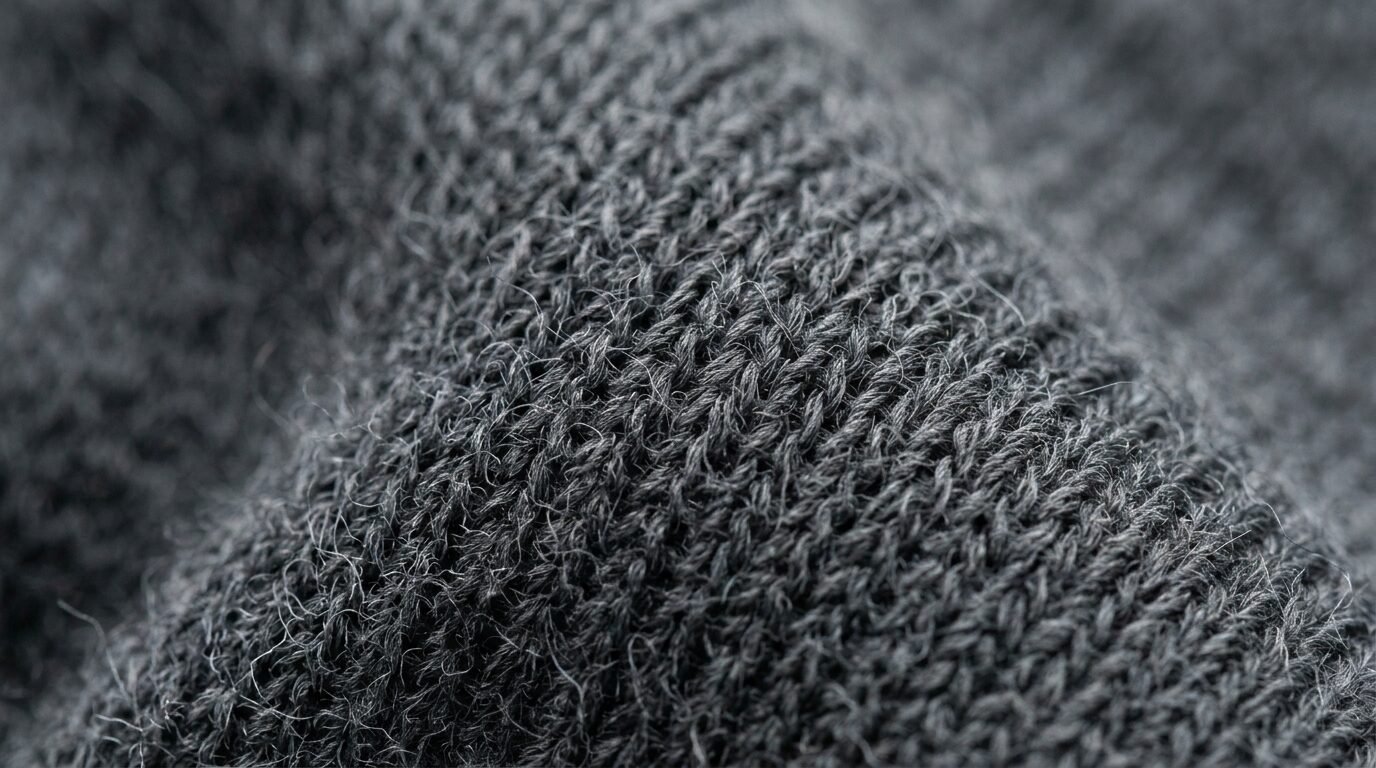
Look for synthetic blends or merino wool. Merino is my personal favorite. It stays warm even if it gets slightly damp and it never smells. A good base layer should fit like a second skin. It needs to be tight enough to wick moisture but stretchy enough so you don’t feel restricted. Avoid 100% cotton at all costs. Cotton is a heat thief on the golf course.
In my experience, a compression-style mock neck works best. It protects your neck from the wind without the bulk of a scarf. I have noticed that players who skip a quality base layer usually end up quitting by the turn. They try to compensate with heavy outer layers, which just makes them sweat more.
- Material: Merino wool or high-end polyester blends.
- Fit: Athletic compression.
- Brands to consider: Under Armour ColdGear or Smartwool Merino 250.
- Cost: Expect to spend 50 to 90 dollars for a quality piece.
2. The Insulating Thermal Mid-Layer

Once your skin is dry, you need to trap air. This second layer provides the warmth. Think of this as the furnace of your outfit. This layer should be a light fleece or a technical “grid” fabric. These fabrics have small pockets that hold your body heat while allowing excess steam to escape.
I used to wear a standard hoodie here. The problem was the weight. Modern golf mid-layers are incredibly light. You want something with a half-zip design. This allows you to vent heat if the sun comes out on the back nine. If you get too hot, you can unzip it. If the wind picks up, zip it all the way up.
I have seen this work best when the mid-layer has “four-way stretch” technology. You are going to be rotating your torso at high speeds. If this layer is too stiff, you will feel a tugging sensation during your backswing. Test this by making a practice swing in the store. If the sleeves ride up your forearms, it is the wrong fit.
- Weight: Mid-weight (around 200g).
- Feature: Half-zip for temperature control.
- Pro Tip: Look for thumbholes in the sleeves to keep the fabric from bunching under your gloves.
3. The Performance Windproof Vest
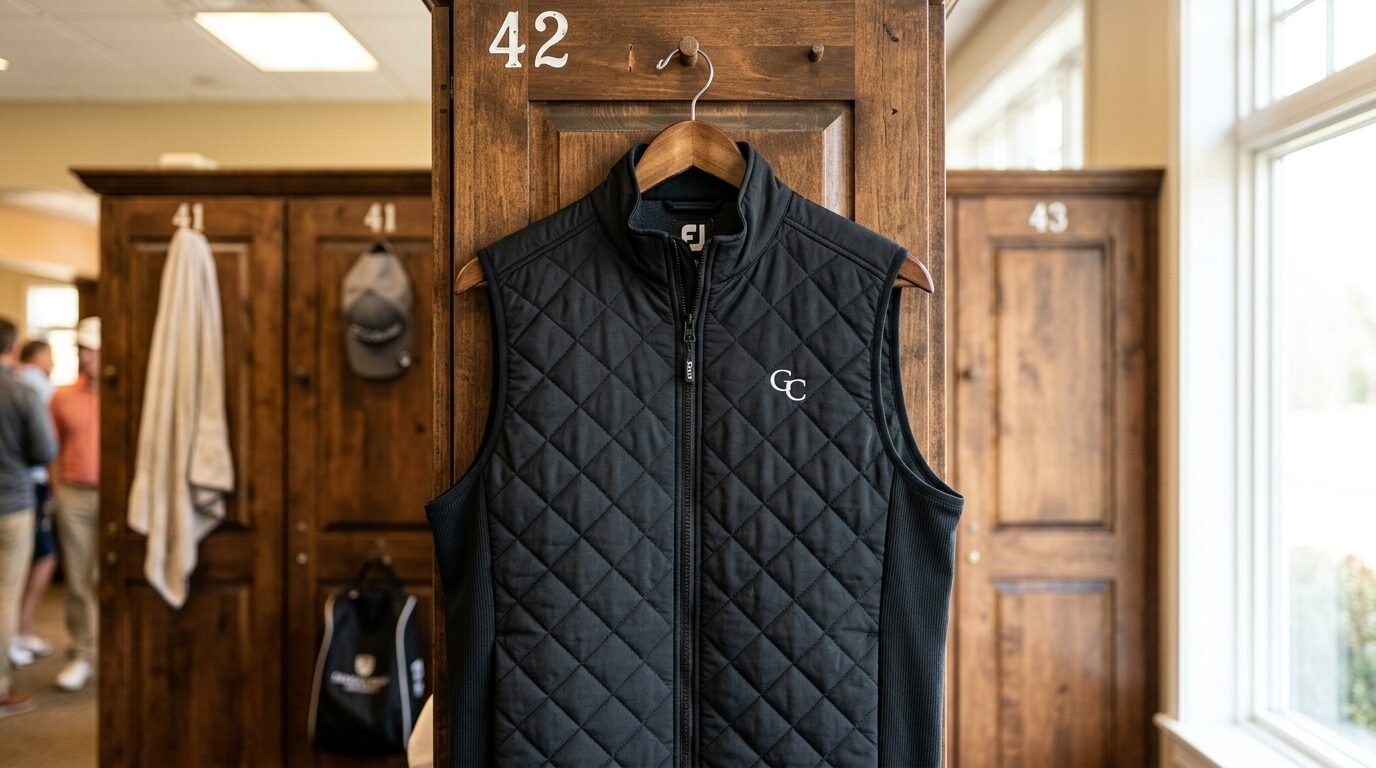
This is the secret weapon of the 4-layer system. Most golfers make the mistake of putting on a heavy jacket as their third layer. A jacket covers your arms, which adds friction and bulk. A vest keeps your core warm while leaving your arms completely free to swing the club.
The vest should be windproof. Wind is the real enemy of the winter golfer. A 10-mph breeze can make 45 degrees feel like 30. I prefer a vest with a quilted front. This adds a bit of synthetic down insulation right over your chest and stomach. I’ve tried many styles, and the hybrid vest is the winner. It has a puffer-style front but a stretchy knit back.
In my experience, keeping the chest warm tricks the body into sending more blood to the hands and feet. If your core stays hot, your fingers won’t go numb. This is why a vest is more effective than a thin sweater. It targets the area that regulates your overall temperature.
- Primary Function: Wind blockage and core insulation.
- Benefit: Zero arm restriction.
- Market Price: 70 to 150 dollars.
4. The Weatherproof Outer Shell
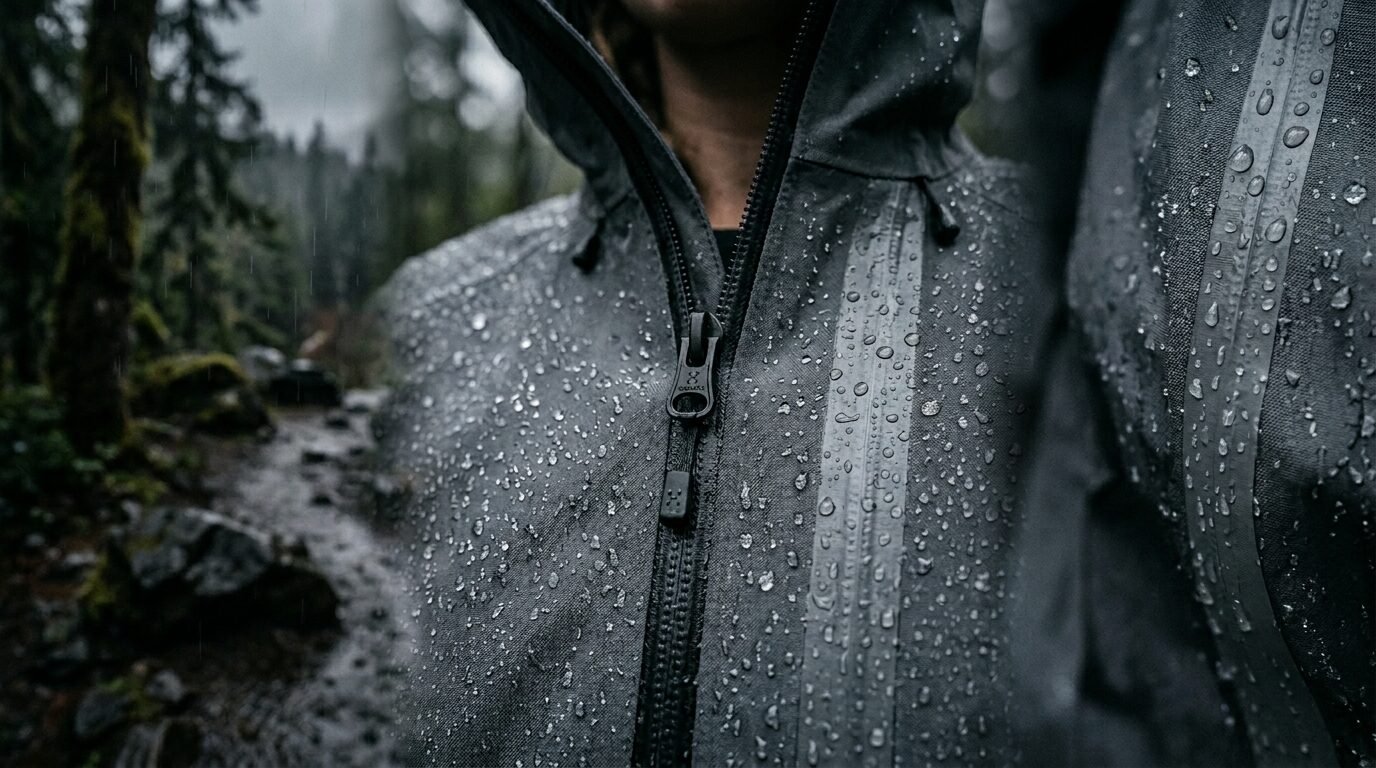
The final layer is your shield. This layer protects you from rain, sleet, and the harshest gusts. This should be a high-quality rain jacket or a dedicated wind-shell. It needs to be thin. You already have the warmth from layers two and three. This layer just seals the deal.
Look for a jacket with “Gore-Tex” or a similar waterproof membrane. These materials are breathable. If you wear a plastic-like cheap rain jacket, you will turn into a walking sauna. You will be soaked from the inside out within thirty minutes. I learned this the hard way during a rainy tournament in Georgia. I bought a cheap emergency poncho and ended up wetter than if I had worn nothing at all.
This layer should also have adjustable cuffs. You want to seal the sleeves around your wrists so cold air doesn’t whistle up your arms. A good outer shell is an investment. It might cost 200 dollars, but it will last ten years if you take care of it.
- Requirement: Breathable and waterproof.
- Check for: Taped seams and quiet fabric (no “swishing” sounds during the swing).
- Brands: FootJoy, Galvin Green, or Zero Restriction.
5. Cold Weather Tools and Accessories
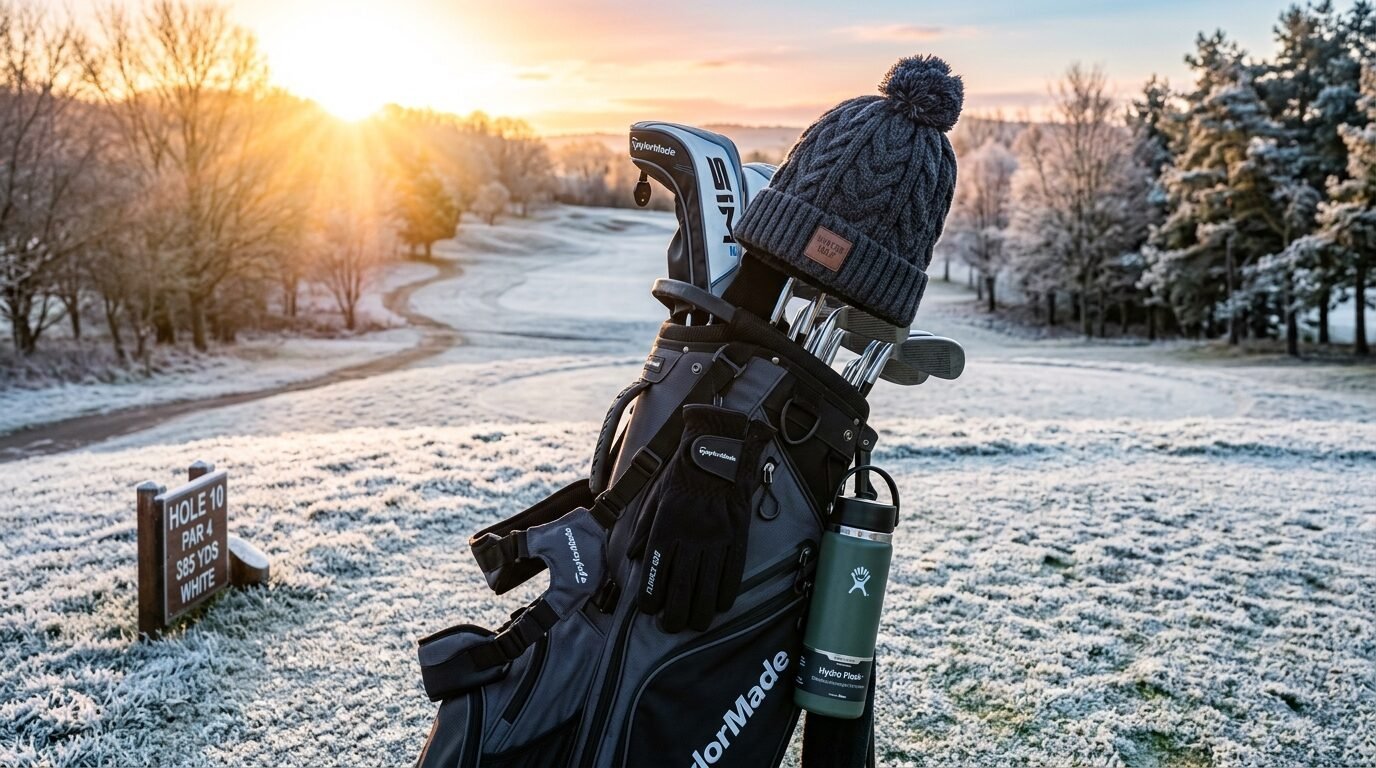
Your 4-layer system is the foundation, but your extremities need help too. You lose a significant amount of heat through your head and hands. If your hands are cold, you lose “feel” for the club. You won’t know if you hit it pure or thin until you see the ball flight.
I always carry a pair of winter golf gloves. These are sold in pairs and have a fleece back. You wear them on both hands. I also keep hand warmer packets in my pockets. Between shots, I put my hands in my pockets to keep the blood flowing. It makes a massive difference on the putting green.
A knit beanie is better than a baseball cap. A cap lets heat escape from the top of your head and leaves your ears exposed. I have seen players struggle because their ears were burning from the cold. Switch to a lined beanie. It stays put during the swing and keeps you significantly warmer.
- Must-have: Winter golf gloves (pair).
- Optional: Rechargeable electric hand warmers.
- Footwear: Thermal socks (wool) and waterproof shoes.
6. Comparison Table of Fabrics
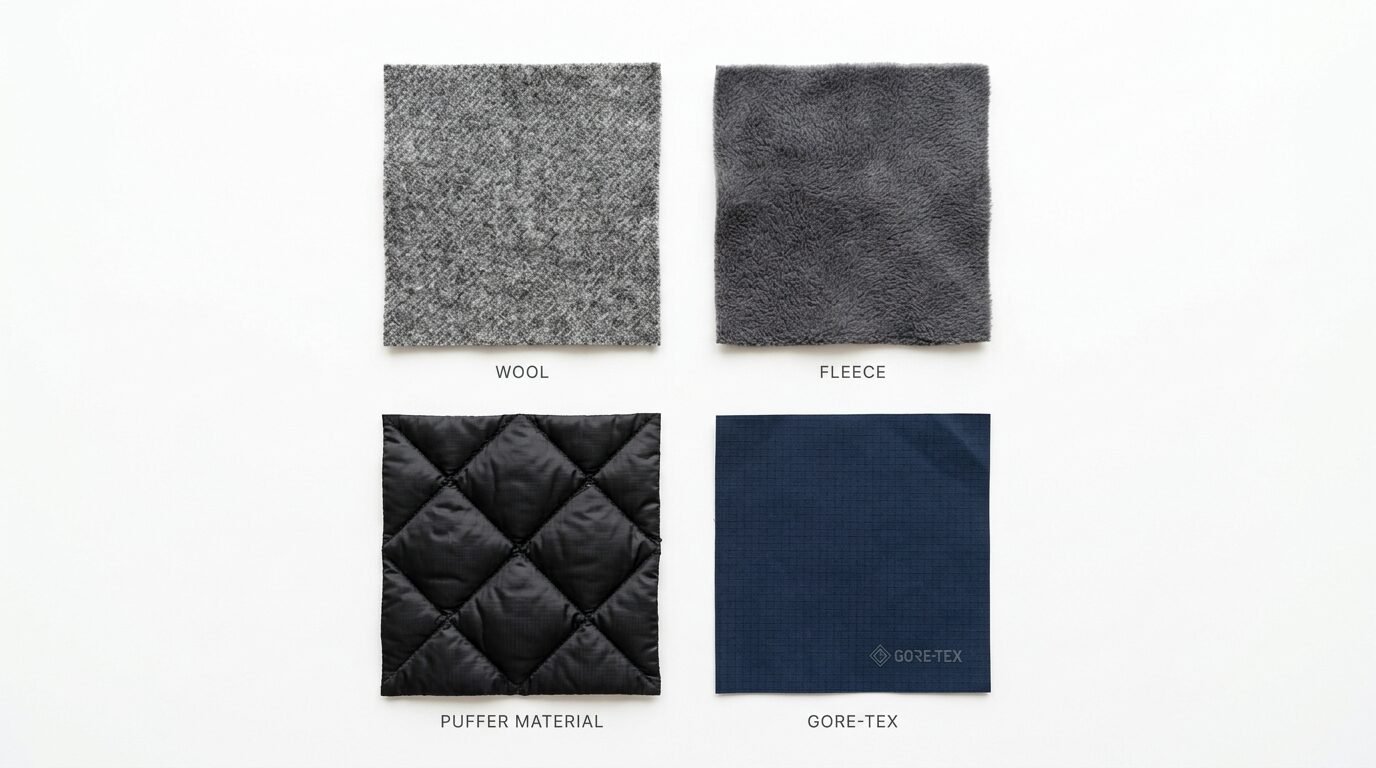
| Fabric Type | Best For | Pros | Cons |
| Merino Wool | Base Layer | Warm, dry, no odor | Expensive |
| Polyester Fleece | Mid-Layer | Breathable, light | Not windproof |
| Synthetic Down | Vest | High warmth | Can be bulky |
| Gore-Tex | Outer Shell | 100% waterproof | High price point |
| Cotton | Nothing | Cheap | Holds water, stays cold |
7. Troubleshooting Cold Weather Mishaps
Even with the best gear, things can go wrong. Here is how to handle common issues.
The “Can’t Turn” Feeling
If you feel like you can’t complete your backswing, you have too much bulk in your mid-layers. Remove the vest and see if that helps. Often, we buy clothes that are one size too small for layering. Always size up your outer shell slightly to accommodate the layers underneath.
Cold Toes
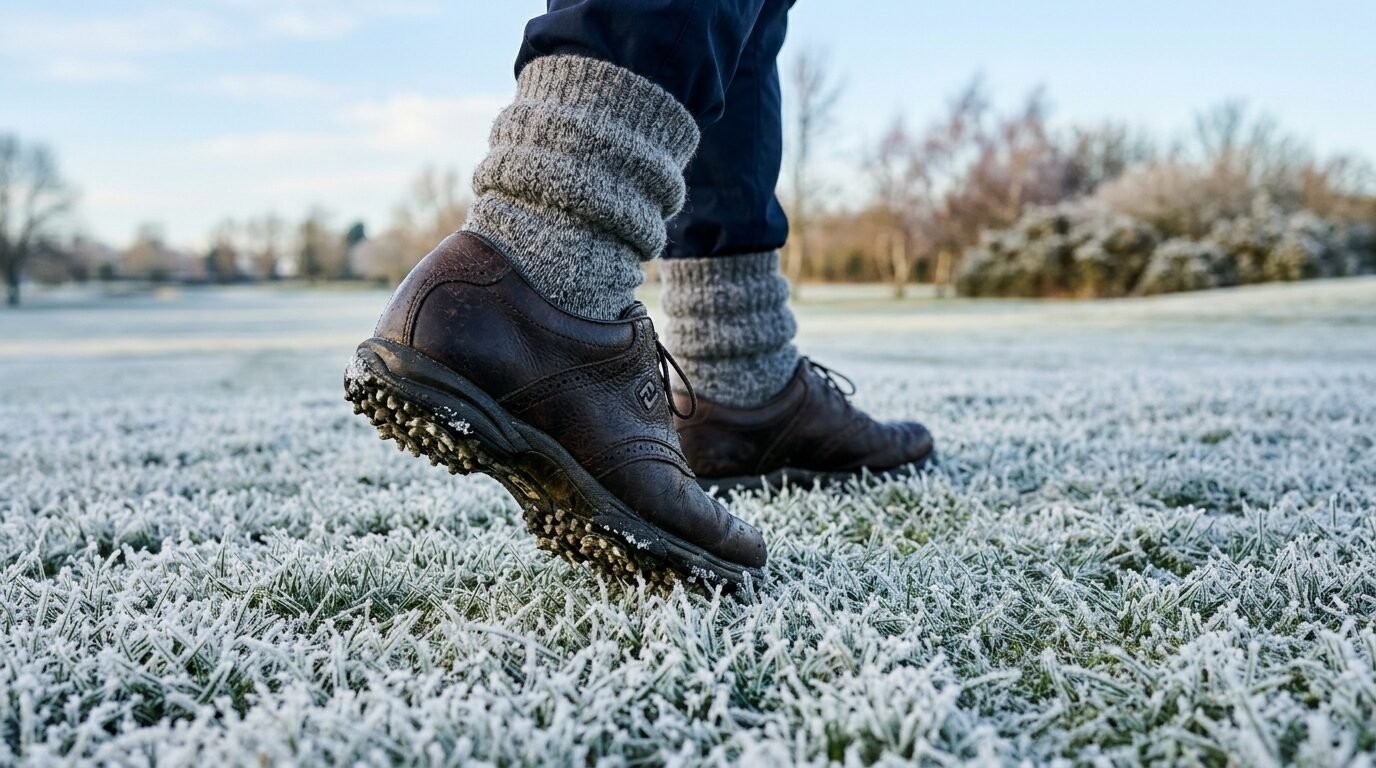
If your feet are freezing, your socks are likely too thick. If a sock is too thick, it cuts off circulation in the shoe. Blood flow is what keeps you warm. Switch to a medium-weight wool sock. Ensure your shoes are waterproof. Damp feet are impossible to warm up once the round starts.
Foggy Glasses
If you wear glasses, the neck warmer or gaiter can push your breath upward. This fogs your lenses instantly. Use an anti-fog spray before the round. I have found that pulling the gaiter just below my nose helps the air escape downward instead of up into my eyes.
Frequently Asked Questions
What temperature is too cold for golf?
Most golfers find that 40 degrees is the limit for an enjoyable round. However, with this 4-layer system, you can comfortably play in 35-degree weather if it is sunny. If it is 40 degrees and raining, that is usually when I stay home.
Can I just wear a winter coat?
I do not recommend it. A standard winter coat is designed for walking or standing. It is not designed for the rotational movement of a golf swing. The thick padding in the shoulders and chest will change your swing plane and lead to poor contact.
Are electric vests worth it?
Electric heated vests are becoming popular. They work well, but they add weight because of the battery pack. If you struggle with extreme cold, they are a great addition to layer three. Just make sure the battery is charged the night before.
Do I need special golf balls for winter?
Cold air is denser, so the ball will not travel as far. I usually switch to a lower-compression ball in the winter. It feels softer and helps gain back a little bit of the lost distance. Expect to lose about one club of distance for every 10-degree drop in temperature.
How do I wash these technical fabrics?
Never use fabric softener on your base layers or rain gear. It clogs the pores of the fabric and ruins the moisture-wicking properties. Wash them in cold water and hang them to dry. This preserves the elasticity and the waterproof coatings.
Conclusion
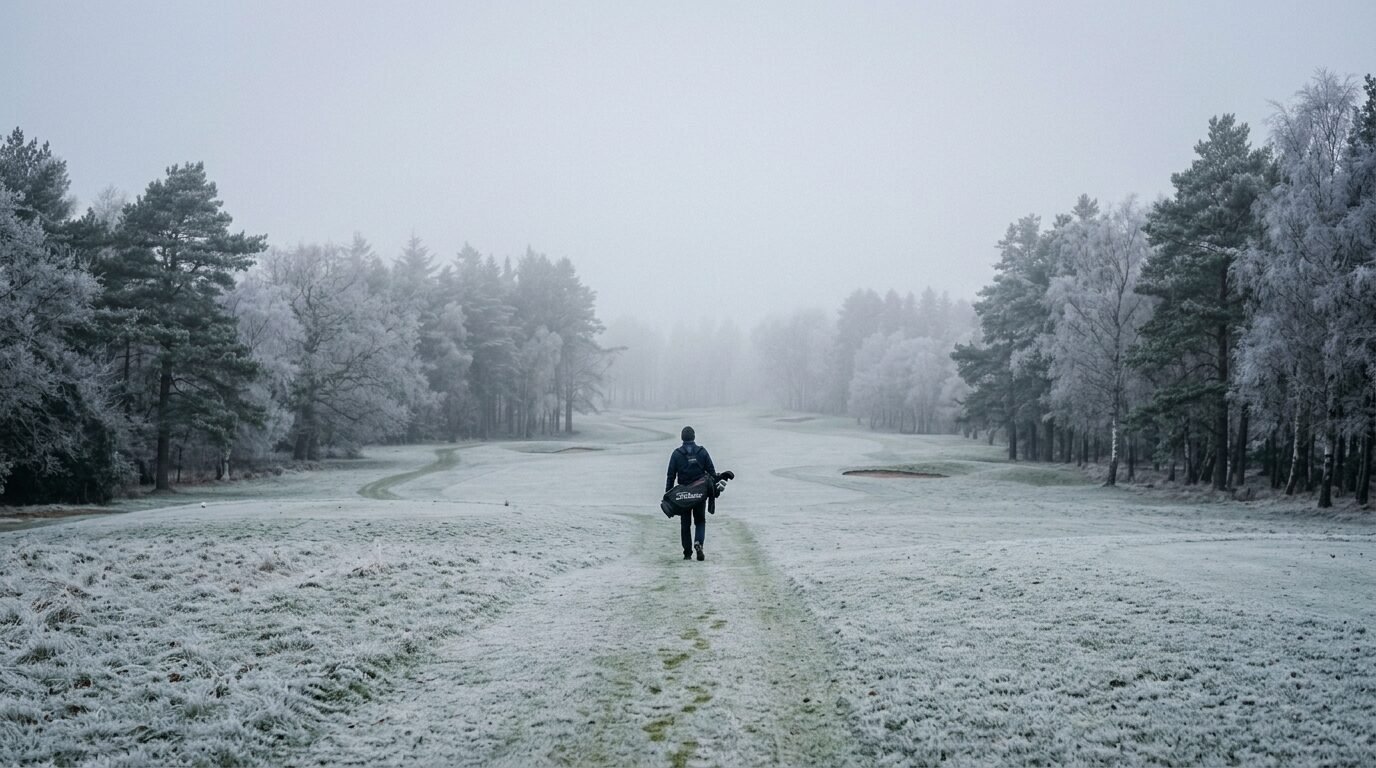
Building a 4-layer cold weather golf system is about balance. You want to be warm enough to relax your shoulders, but light enough to swing with speed. Focus on quality materials like merino wool and windproof membranes. Start with a solid base, add a breathable mid-layer, protect your core with a vest, and shield yourself with a thin outer shell.
I have spent many winters testing different combinations. The vest remains the most underrated piece of equipment in the bag. Once you stop fighting the cold, you can start focusing on your game again. Winter golf doesn’t have to be a survival test. With the right layers, it can be some of the most peaceful golf you will ever play.
What is the lowest temperature you have ever played in?

Jenna Carter is the Senior Style Editor at Her Golf Outfit and a lifelong golfer turned certified personal stylist. With a background in retail buying for major athletic brands, she leads our brand reviews and lookbook curation, spotting the pieces worth your money and decoding country-club dress codes so you never second-guess what to wear to the clubhouse.