
The morning mist hangs heavy over the first tee. You grip your driver and feel the bite of the 40-degree air. Your breath turns to clouds. If you wear a heavy coat, your swing feels restricted and stiff. If you wear too little, you lose focus because your core is shivering. Finding the middle ground is the difference between a great round and a miserable walk.
In my experience, the mid-layer is the most misunderstood part of a golf outfit. People often grab a random sweatshirt and hope for the best. I tried that once during a November tournament in Chicago. By the fourth hole, I was sweating from the walk but freezing from the wind. My performance suffered because my clothes worked against me. A proper mid-layer keeps your temperature steady while letting your arms move freely.
This guide helps you find a piece that looks chic and works hard. You want to feel confident when you stand over a putt. You need a look that transitions from the green to the clubhouse without a second thought. Let us look at how to build a winter system that keeps you in the game.
Executive Summary
Mastering cold weather golf requires a three part system. The mid-layer acts as the engine of this system. It traps heat while moving sweat away from your skin. You should look for specific fabrics like merino wool or technical polyester blends. These materials offer warmth without the bulk of traditional sweaters.
In this article, you will find 12 specific ways to choose and style your golf layers. We cover everything from fabric weights to the debate between zippers and pullovers. You will see why a thermal base layer is your best friend. We also compare top brands like Peter Millar and Lululemon based on real course testing. By the end, you will know exactly what to buy for your next winter round.
1. What defines a high performance golf mid layer?
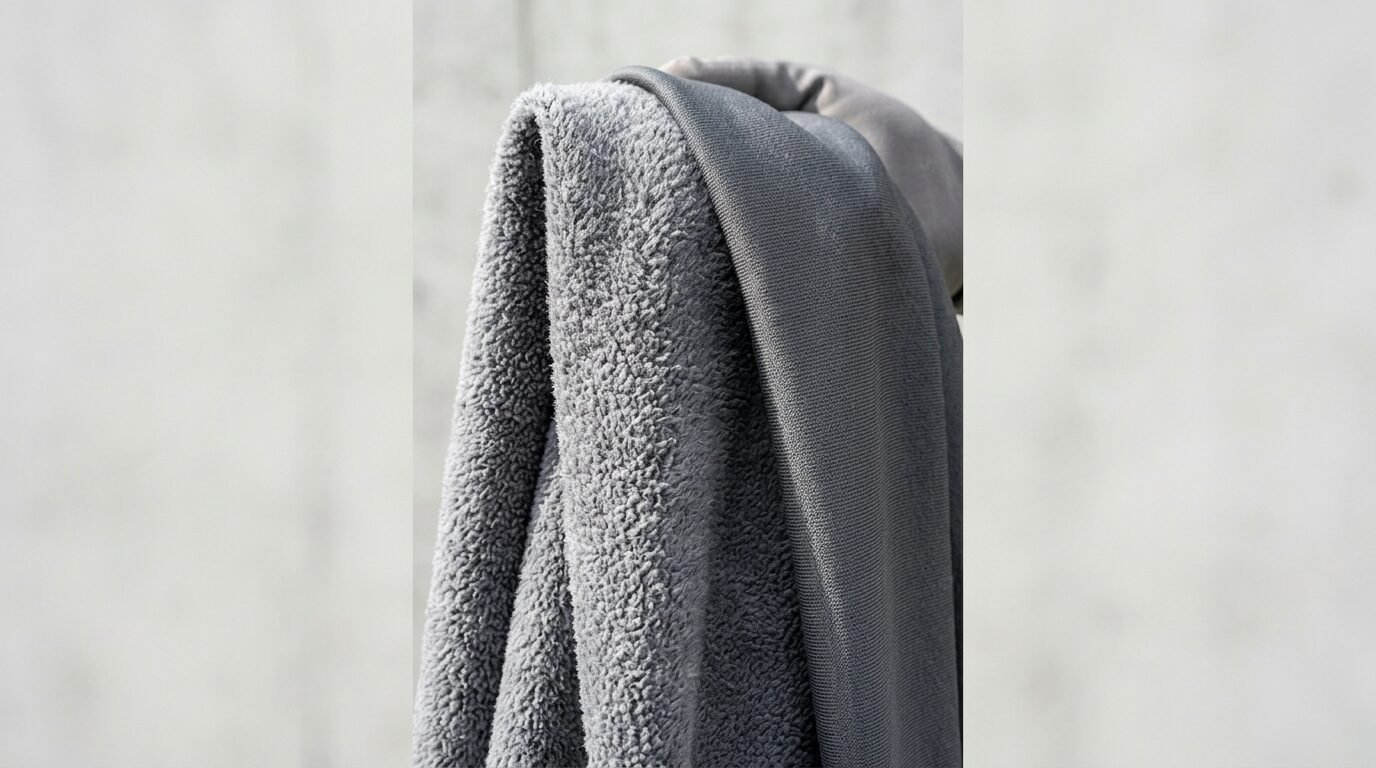
A true golf mid-layer is different from a standard gym jacket. It needs a specific balance of stretch and insulation. I noticed that cheap fleece often bunches up under the arms. This ruins your swing path. A high performance piece uses four way stretch fabric. This means the material moves with you as you rotate your torso.
Look for a smooth outer face. This allows your outer shell or windbreaker to slide over it easily. If the fabric is too grabby, your layers will fight each other. I once wore a woolly sweater over a cotton shirt. Every time I swung, the sweater pulled my shirt up. It was distracting and uncomfortable.
The best pieces use brushed interiors. This soft texture creates tiny pockets of air. These pockets hold your body heat close to your skin. It feels like a warm hug without the weight. Look for weight ratings. A 200 gram fabric is usually perfect for most winter days. It offers enough warmth for a chilly breeze but stays breathable.
2. How do I stay warm without losing my swing range?

The biggest fear in winter golf is feeling like the Michelin Man. Too many layers make it hard to turn. In my experience, the secret is the armholes. High end golf brands cut their armholes higher than casual brands. This prevents the entire jacket from lifting when you raise your clubs.
I tested a standard hoodie against a technical quarter zip last month. The hoodie had thick seams at the shoulders. These seams felt like literal weights during my backswing. The technical piece used raglan sleeves. These sleeves have no seam on top of the shoulder. This small detail changed everything. My movement felt fluid and natural.
Check the cuff design too. You want a snug fit around the wrists. Loose cuffs get in the way of your grip. Some modern mid-layers use thumbholes. These are great for keeping your hands warm between shots. However, make sure the fabric is thin enough at the wrist. You do not want extra bulk near your glove.
3. Why is moisture management the real secret to winter comfort?
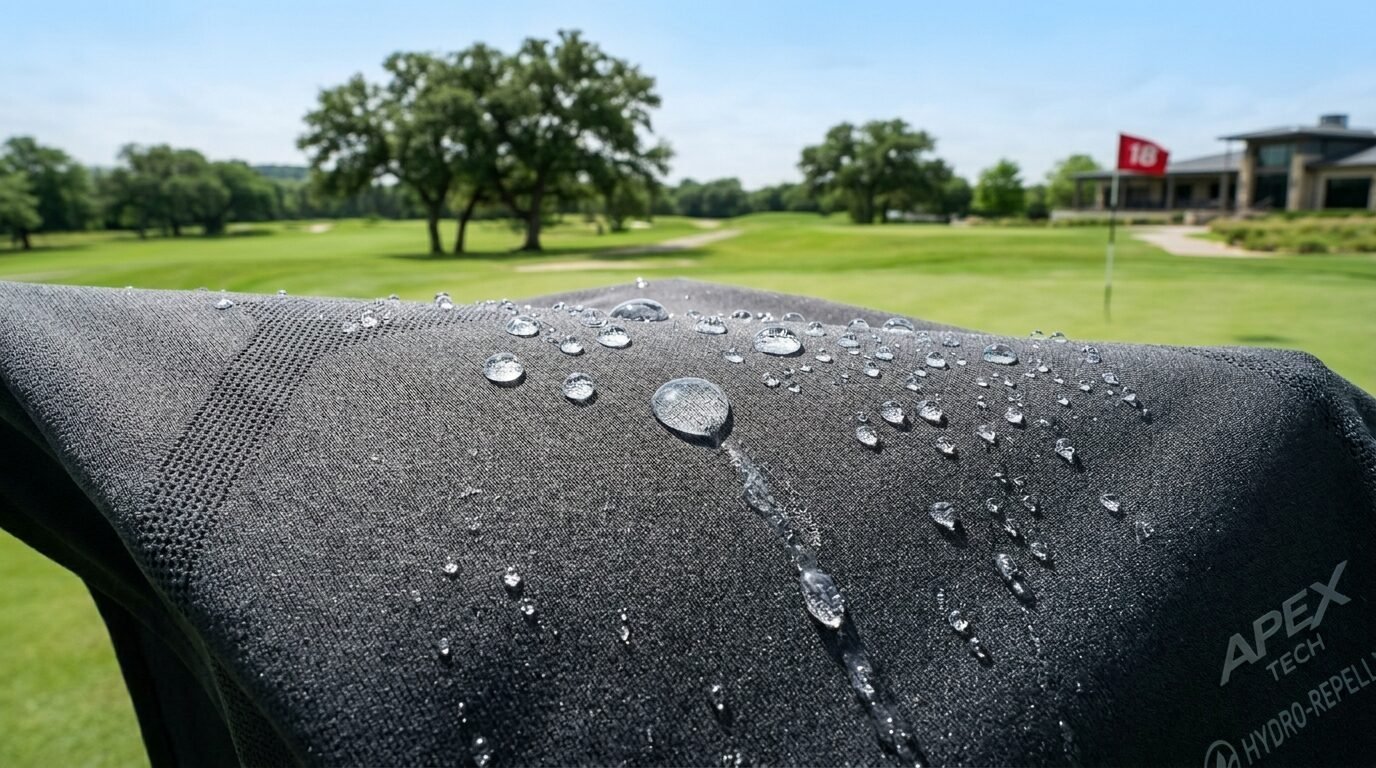
Cold weather golf is a game of stops and starts. You walk fast to your ball and get warm. Then you stand and wait for the group ahead. This is when you get cold. If your mid-layer holds onto sweat, you will freeze during the wait. I saw this happen to a friend last week. She wore a cotton sweatshirt. By the ninth hole, the fabric was damp. She had to quit because her body temperature dropped too fast.
Technical fabrics pull moisture away from your skin. This process is called wicking. Synthetic blends or merino wool are the leaders here. They move the water to the outer surface where it can evaporate. Even in 30 degree weather, your body produces moisture. Keeping that moisture away from your skin is vital.
Look for “breathability” ratings on tags. You want a piece that lets air circulate slightly. This prevents the “greenhouse effect” inside your clothes. A good mid-layer keeps you dry from the inside out. This makes you feel more confident in your gear.
4. Which fabrics work best when the wind picks up?

Wind is the true enemy of the winter golfer. A standard fleece lets wind blow right through the fibers. This strips away your body heat instantly. I started using “hybrid” mid-layers two years ago. These pieces feature quilted panels on the chest.
The chest panels use windproof fabric. The arms and back stay stretchy and breathable. This design protects your core organs from the chill. It keeps your heart and lungs warm, which keeps your blood flowing to your fingers. I found this to be a game changer for morning tee times.
Merino wool is another top choice. It is naturally wind resistant compared to cheap synthetics. It also resists odors. This is helpful if you go straight to lunch after your round. Merino stays warm even if it gets slightly damp from a light drizzle. It is a premium choice that lasts for years if you treat it well.
5. How can I layer without looking bulky on the course?

Looking chic is part of feeling confident. You want a silhouette that looks sharp in photos and on the tee. The key is “tapered” fits. Avoid boxy cuts that hang loose around the waist. A snug fit actually keeps you warmer because there is less dead air to heat up.
I prefer mid-layers with a slight drop tail. This means the back is longer than the front. It keeps your lower back covered when you lean over to read a putt. It also prevents your shirt from untucking. This creates a continuous line that looks professional and sleek.
Monochromatic colors help too. Wearing a navy base layer with a navy mid-layer creates a long, slim look. It hides the transitions between garments. I’ve seen this work for golfers of all sizes. It draws the eye up and down rather than across the body.
6. Where do I find the most stylish performance pieces?
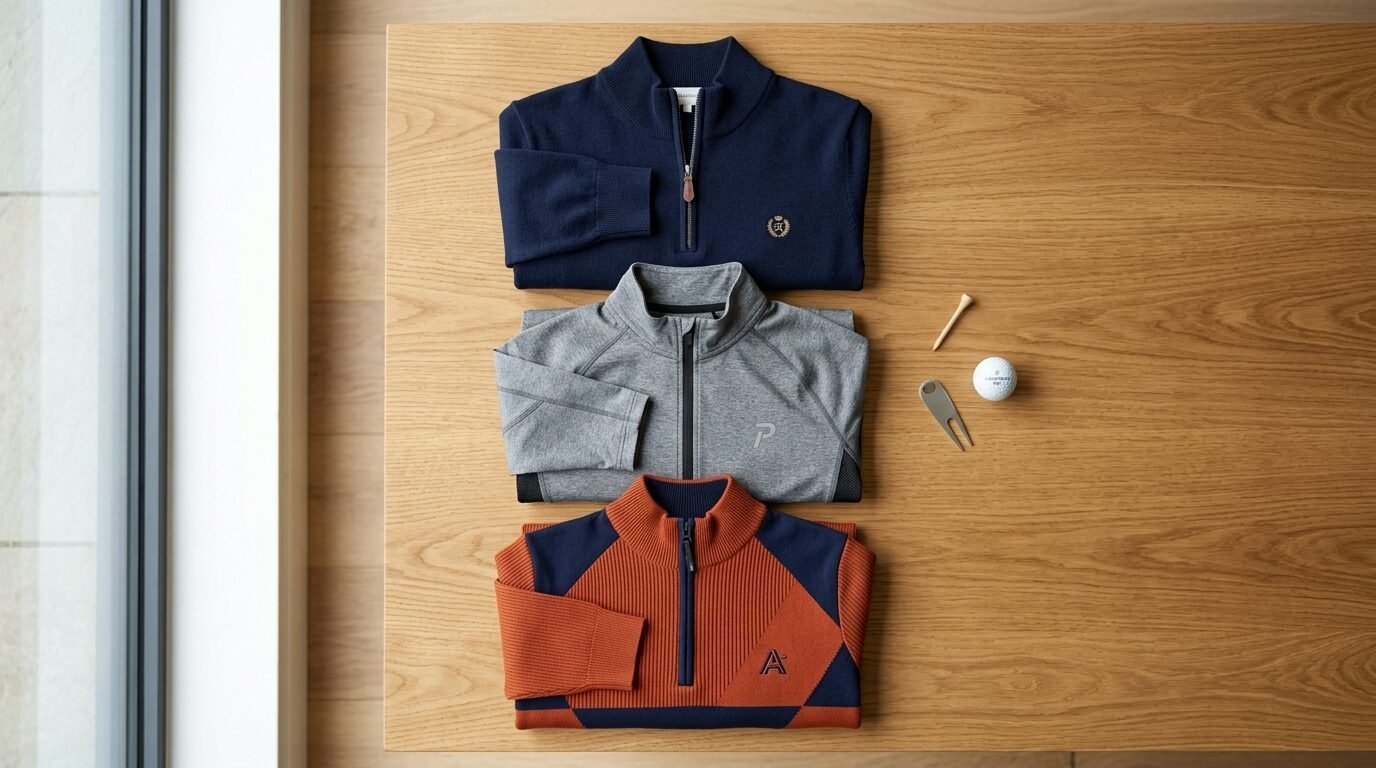
Brand choice matters for both fit and fashion. In my research, certain brands cater specifically to the female form. Peter Millar offers classic styles that look very expensive. Their fabrics feel like silk but perform like gym gear. They are perfect for the woman who wants a traditional look.
Lululemon has made great strides in golf recently. Their “Down for it All” jackets are famous for a reason. They use zoned insulation. This means the warmth is where you need it, and the stretch is where you move. I tried their hooded versions but found the hoods distracting. Stick to the collarless or mock neck versions for golf.
G/FORE is the choice for the bold golfer. They use bright colors and edgy designs. Their mid-layers often feature fun camo prints or neon accents. If you want to stand out on a gray winter day, this is the brand. Their quality is top tier, and the fits are very athletic.
7. Is a quarter zip or a full zip better for play?
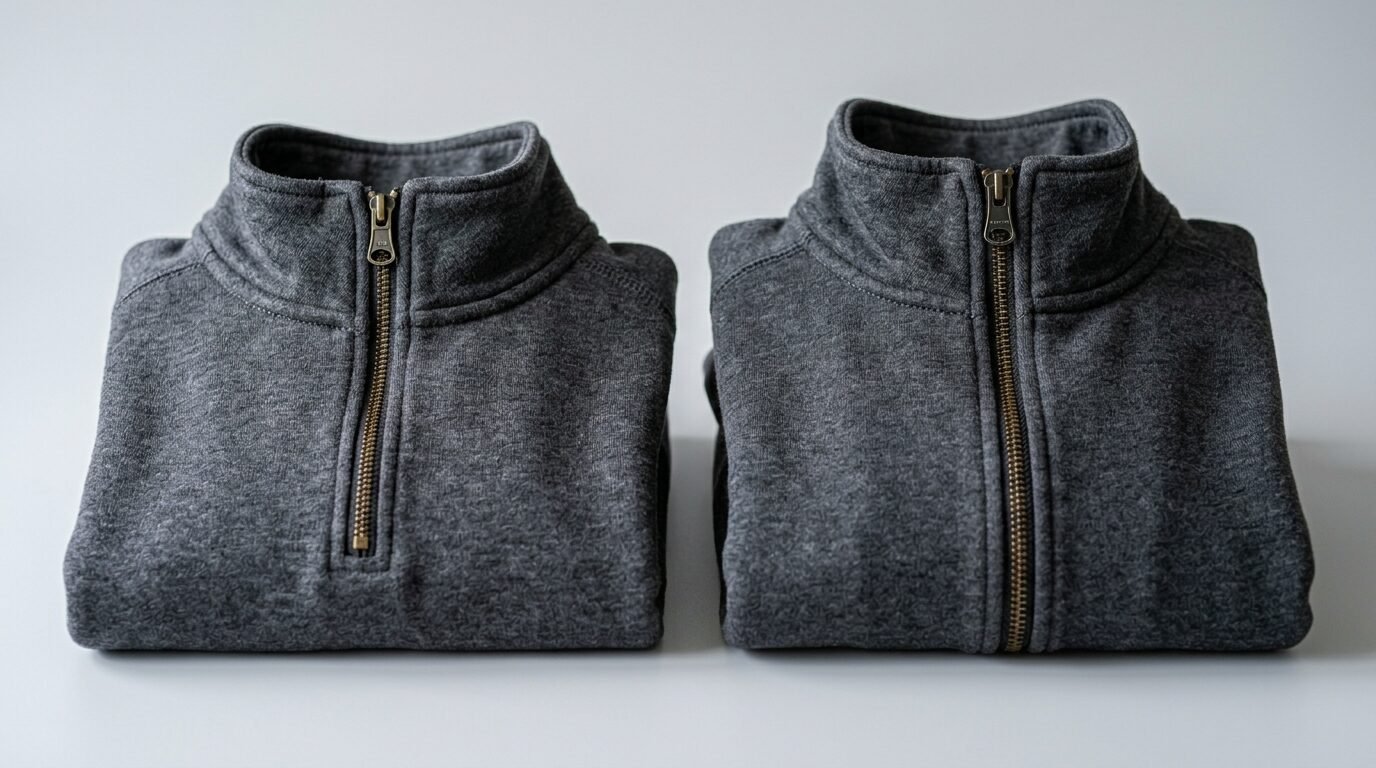
This is a common debate among club members. A quarter-zip is the traditional golf look. It creates a clean chest area with no zipper bunching when you bend over. I find quarter-zips stay in place better during a high speed swing. They feel more like a shirt and less like a jacket.
Full-zip jackets offer more versatility. They are easier to take off if the sun comes out on the back nine. You don’t have to ruin your hair or take off your hat to remove them. However, the zipper can sometimes “bubble” at the stomach. This happens when you sit in a golf cart or lean over a ball.
In my experience, the quarter-zip is the winner for pure performance. It feels more secure. If you choose a full-zip, make sure it has a “two way” zipper. This lets you unzip the bottom slightly. It prevents the fabric from bunching up around your waist when you move.
8. What role does the base layer play in this system?
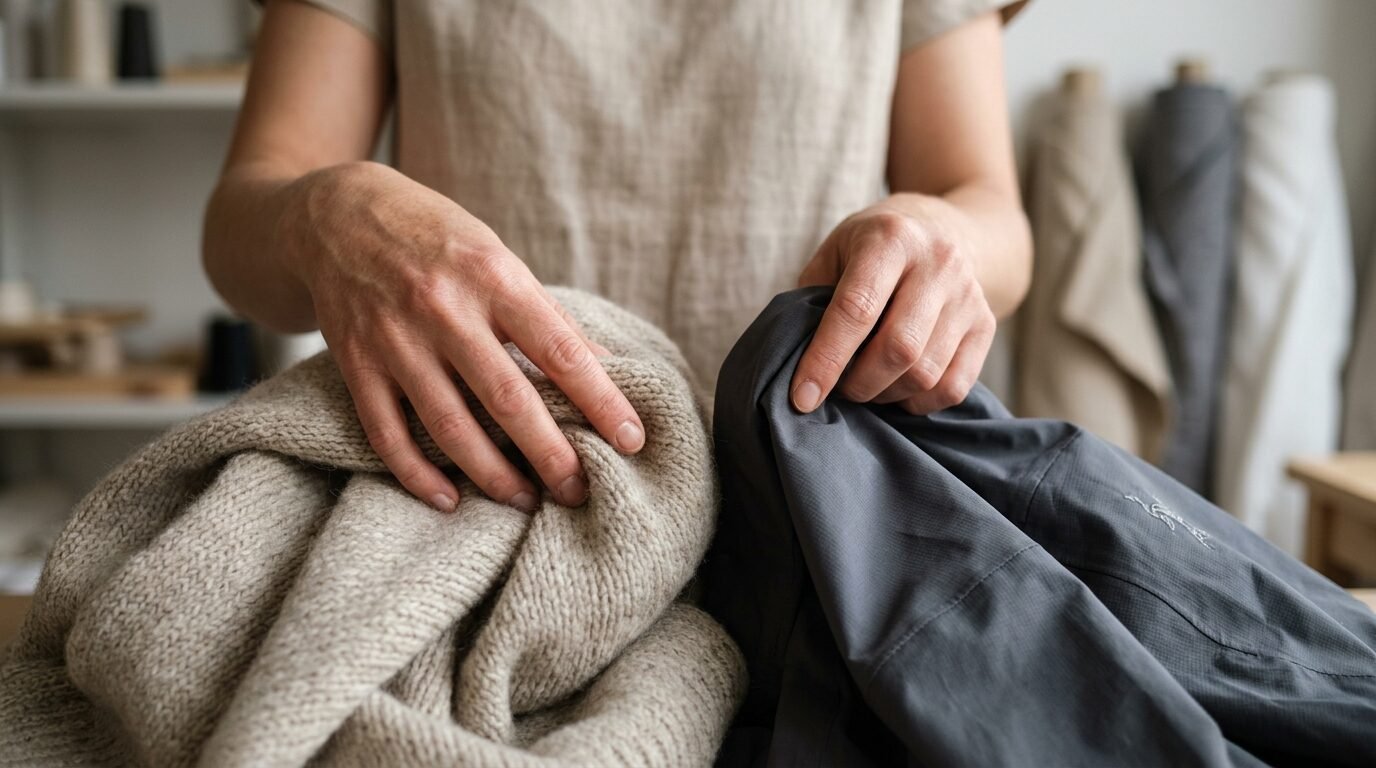
Your mid-layer is only as good as what is underneath it. A thermal base layer is the foundation. Never wear a cotton t-shirt under a technical mid-layer. Cotton absorbs moisture and stays cold. It ruins the performance of the expensive jacket you just bought.
I recommend a “compression” style base layer. These fit tight to the skin. They move as you move. They also help with blood flow in cold weather. I noticed my muscles stay more supple when I wear a proper compression shirt. This helps prevent the “winter stiffness” that leads to bad shots.
Look for base layers with a mock neck. This small bit of extra fabric keeps your neck warm. It acts like a built in scarf. When you pair a mock neck base with a quarter-zip mid-layer, you create a perfect seal against the cold. This is my go-to setup for anything under 50 degrees.
9. How do I choose between synthetic and natural fibers?

Synthetic fibers like polyester and spandex are durable. They wash easily and dry fast. They are usually more affordable than natural options. Most modern “tech” gear is synthetic. It is great for the golfer who plays three times a week. You can throw it in the machine and it looks new every time.
Natural fibers like merino wool or cashmere blends offer a different feel. They are softer and feel more luxurious. They are also better at regulating temperature across a wide range. I can wear a merino mid-layer in 40 degrees or 60 degrees and feel comfortable in both. Synthetics can sometimes feel too hot if the sun comes out.
The downside of natural fibers is the care. You often have to wash them on a gentle cycle and lay them flat to dry. If you put a merino sweater in a hot dryer, it will shrink to a child’s size. I learned that lesson the hard way with a beautiful navy pullover. Now, I check every tag before laundry day.
10. Can one mid layer work for all winter conditions?

The short answer is no. You really need two different weights. A “lightweight” mid-layer is for those crisp fall days. These are usually thin, breathable pullovers. They provide just enough warmth to take the edge off. They are also great for layering under a heavy vest.
A “heavyweight” or “thermal” mid-layer is for the dead of winter. These often have a fleece lining or quilted sections. I use these when the temperature stays below 45 degrees all day. They are thicker but still designed for golf movement.
If you only buy one, go for a medium weight quarter-zip. You can adjust your warmth by changing your base layer. A thin base layer makes it good for 55 degrees. A thick, thermal base layer makes it work for 40 degrees. This versatility gives you the most value for your money.
What are the common mistakes people make when layering?
The biggest mistake I see is wearing layers that are too big. People think extra space means extra warmth. It is the opposite. Air gaps allow heat to escape. Your mid-layer should skim your body. It should not be tight, but it should not be baggy either.
Another mistake is neglecting the collar. A floppy collar looks messy and lets wind down your back. I prefer “stand up” collars that stay crisp. They look much more chic and provide better protection. Avoid hoodies unless you are playing at a very casual course. The hood can catch the wind and flap around during your swing.
Lastly, people often forget about their pockets. A good golf mid-layer has zippered pockets. This keeps your extra tees and ball markers from falling out when you sit in the cart. I once lost a gold ball marker because my jacket had open slash pockets. Now, I always check for zippers.
How do I care for my technical golf clothes?
To keep your gear looking new, you must wash it correctly. High performance fabrics hate fabric softener. Softener coats the fibers and ruins the moisture wicking ability. It makes the fabric “clogged.” Always use a mild detergent and skip the softener.
Wash your mid-layers inside out. This protects the outer face from pilling or snagging on other items. I always zip up the zippers before washing. An open zipper can act like a saw inside the machine. It can tear holes in delicate base layers or other clothes.
Air drying is always the best choice. High heat from a dryer can damage the spandex fibers. Over time, heat makes your clothes lose their “snap.” If you must use a dryer, use the lowest heat setting possible. This keeps your outfits looking fresh and fitting perfectly for many seasons.
Comparison of Top Golf Mid-Layer Brands
| Brand | Best For | Price Range | Key Feature |
| Peter Millar | Classic Style | $125 – $200 | Silk-like luxury feel |
| Lululemon | Athletic Fit | $118 – $160 | Zoned insulation panels |
| G/FORE | Modern Fashion | $150 – $250 | Bold colors and prints |
| FootJoy | Pure Performance | $90 – $140 | Designed by golf experts |
| Under Armour | Budget Friendly | $60 – $95 | Great thermal technology |
Frequently Asked Questions
What is the best material for a golf mid layer?
Merino wool and polyester blends are the top choices. Merino offers natural temperature control and odor resistance. Polyester blends provide better stretch and durability. In my experience, a mix of both gives the best results for a long day on the course.
How tight should a golf mid layer fit?
It should be a “tailored” fit. You want enough room to wear a base layer underneath without feeling restricted. However, it should not be baggy. A snug fit traps heat better and looks more professional. If the fabric bunches at your chest when you swing, it is too big.
Can I wear a regular hoodie for golf?
Many modern courses allow hoodies, but they are not always practical. The hood can be heavy and pull the collar back against your throat. It can also catch the wind. A quarter-zip or a technical jacket is usually a better choice for focused play.
Do I need a mid layer if I have a warm jacket?
Yes. A mid-layer is about moisture management. If you wear a heavy jacket over a shirt, you will likely get too hot and sweaty. When you take the jacket off, you will freeze. A mid-layer provides a buffer that keeps your temperature steady as you move.
Are expensive golf brands worth the money?
In many cases, yes. High end brands use better zippers and more durable fabrics. They also design the cuts specifically for a golf swing. I have found that a $150 Peter Millar piece lasts twice as long as a $50 generic fleece. It also looks much better after ten washes.
What colors are best for winter golf outfits?
Darker colors like navy, forest green, and black are practical. They absorb a bit of heat from the sun. They also hide mud and dirt better than white or pastel colors. You can add a pop of color with your hat or glove to stay stylish.
Final Thoughts on Winter Golf Style

Choosing the right mid-layer is an investment in your game. When you are warm and comfortable, you can focus on your swing rather than the weather. I have seen my scores stay more consistent in the winter just by upgrading my layering system. It is about more than just fashion. It is about performance and confidence.
Start with a high quality quarter-zip in a neutral color. Pair it with a thermal base layer and see how much better you feel on the back nine. Golf is a beautiful game even in the cold. With the right gear, you might find that winter rounds are your new favorite time to play. Keep your core warm, your swing free, and your style sharp.

Jenna Carter is the Senior Style Editor at Her Golf Outfit and a lifelong golfer turned certified personal stylist. With a background in retail buying for major athletic brands, she leads our brand reviews and lookbook curation, spotting the pieces worth your money and decoding country-club dress codes so you never second-guess what to wear to the clubhouse.