
Imagine standing on the first tee at 7:30 AM. The grass has a silver sheen of dew. The air feels crisp and sharp. You check your phone and it says 50 degrees. For most golfers, this is a crisis. You want to stay warm but you dread looking like a marshmallow. You know that heavy coats kill your swing. I have spent years testing fabrics on windy coastal courses. I have learned that warmth does not require weight. You can maintain your full range of motion while staying cozy. This guide shows you exactly how to build a high-performance outfit. We will focus on smart fabrics and strategic pieces. You will look sharp and play better.
1. Choose a Moisture Wicking Base Layer
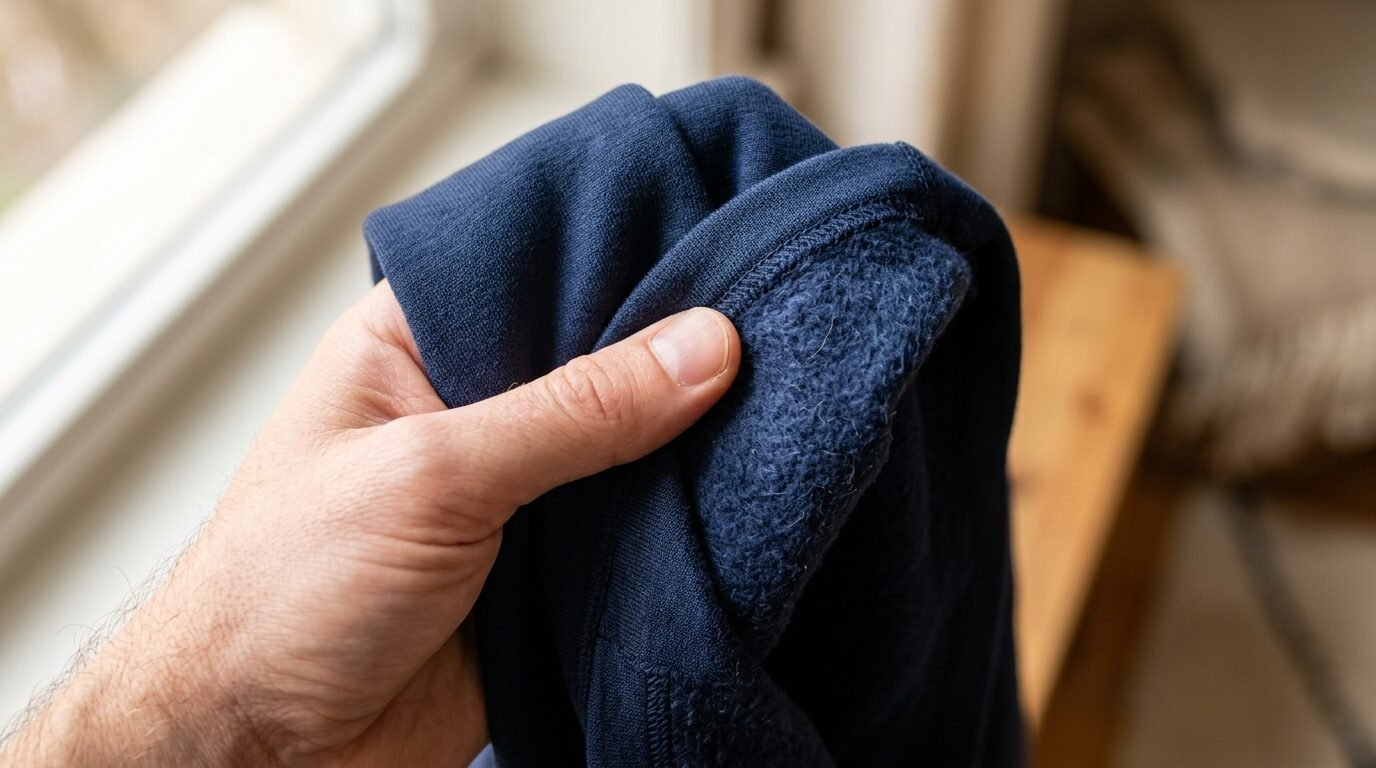
The base layer is your foundation. It sits against your skin. Its primary job is to move sweat away from your body. In 50 degree weather, you might think you won’t sweat. You are wrong. Walking the course and swinging a club generates significant body heat. If that moisture stays on your skin, you will get a chill. I always choose a compression fit for this layer.
I highly recommend the Uniqlo HeatTech Ultra Light series. It is incredibly thin. It feels like a second skin. Another great option is the Under Armour ColdGear Mock. It has a brushed interior that feels soft. This layer traps a thin pocket of air against your skin. This air acts as natural insulation. Avoid cotton at all costs. Cotton holds onto water. Once cotton gets damp, it stays cold. You want polyester blends or merino wool. Merino wool is a miracle fabric. It regulates temperature and resists odors. I often wear a thin merino top from Smartwool. It keeps me warm when I stand still. It breathes when I move fast.
Make sure the sleeves are long enough to cover your wrists. Heat escapes where your skin is exposed. A mock neck design is also helpful. It protects your neck from the wind without the bulk of a scarf. This single piece does 40% of the work. Spend your money here first.
2. Add a Lightweight Mid Layer
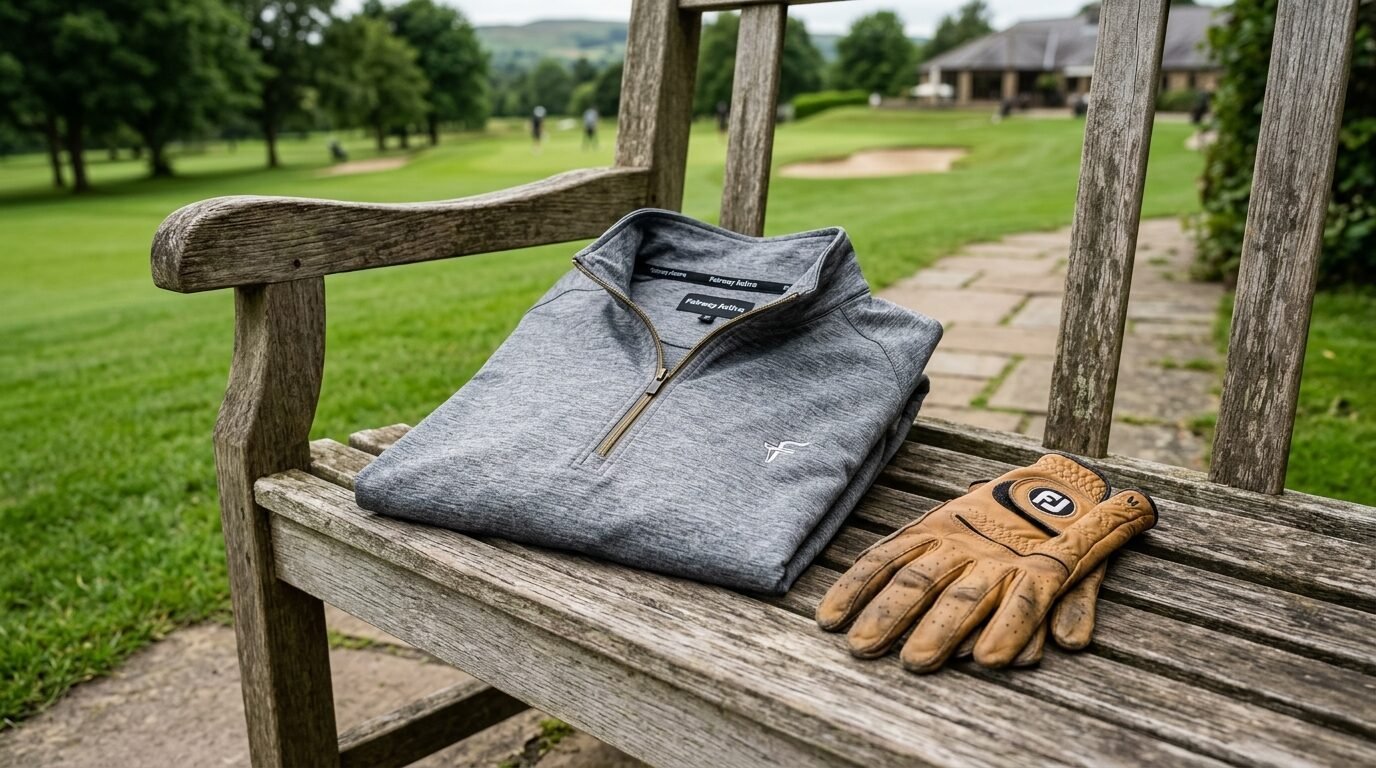
The mid layer provides the actual insulation. It should be slightly looser than your base layer. This creates a gap for warm air to circulate. A quarter zip pullover is the gold standard for golf. It allows you to vent heat if the sun comes out. Look for technical fleece or performance blends.
I have found that the Peter Millar Perth Melange Quarter Zip is perfect for 50 degrees. It has enough stretch for a full shoulder turn. The fabric is dense enough to block a light breeze. Another favorite is the Lululemon Ready to Rulu Half Zip. It is stylish enough for the clubhouse but built for movement. In my experience, a mid layer should weigh less than 10 ounces. If it feels heavy in your hand, it will feel heavy in your swing.
Focus on the armholes. They must be cut high. Low armholes cause the whole shirt to lift when you raise your arms. This ruins your posture. I once wore a standard cotton hoodie for a cold round. Every swing felt restricted. I felt like I was fighting my clothes. Switching to a dedicated golf mid layer changed my game. You want fabrics that move with you, not against you.
3. Pick a Performance Golf Vest

The vest is the most important piece in your cold weather kit. It keeps your core warm while leaving your arms free. This is the secret to playing without bulk. Your arms need to rotate and extend. Sleeves often get in the way. A vest solves this problem.
Look for a quilted or “puffer” style vest with low profile insulation. I love the G/FORE Perforated Nylon Vest. It uses targeted insulation. It keeps my chest warm but prevents overheating. Another top pick is the FootJoy Hybrid Vest. It uses knit panels on the sides. These panels stretch during your backswing.
I have noticed that many golfers buy vests that are too big. A loose vest allows cold air to scoop in from the bottom. Choose a slim fit. It should sit snug against your mid layer. This creates a seal. If the temperature hits 55 degrees, you can unzip it. If a cloud covers the sun, zip it up. It is the most versatile tool in your bag. I never play a fall or spring round without one.
4. Wear Wind Resistant Outerwear
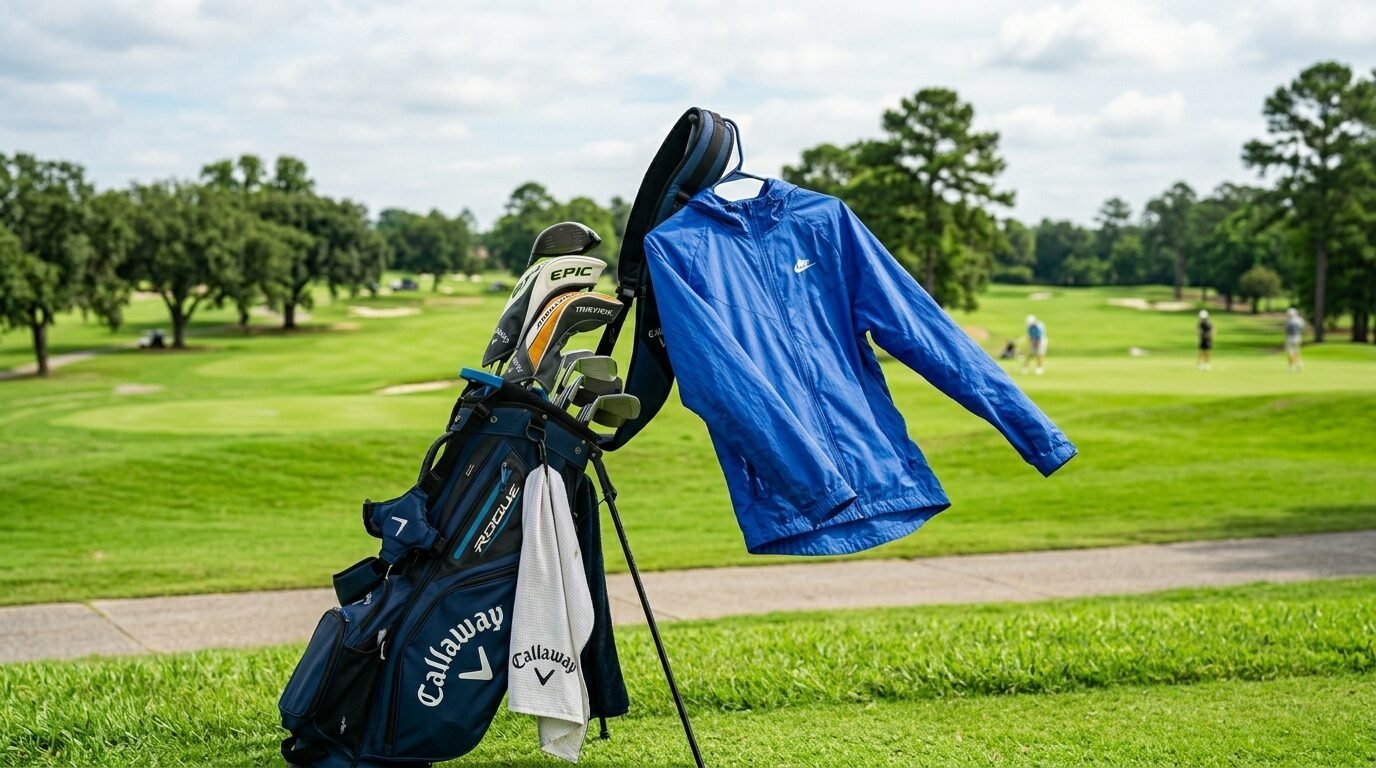
In 50 degree weather, the wind is your real enemy. A 10 mph breeze can make 50 degrees feel like 40 degrees. You need a outer shell that stops the wind. This does not mean a heavy jacket. Look for a windbreaker or a light rain shell.
Galvin Green makes the best wind interfaces in the industry. Their fabrics are paper thin but totally windproof. I also like the Callaway Sun Protection Wind Shirt. It is quiet. Some cheap windbreakers make a loud “swish” sound during the swing. This is distracting. You want a “silent” fabric.
Ensure the waistband is adjustable. You want to cinch it to keep the wind out. Check the cuffs as well. Elastic or Velcro cuffs keep the cold air from blowing up your sleeves. I once played a round in Scotland where the wind was brutal. My layers were warm, but the wind cut right through them. I learned that day that a windproof shell is mandatory. It acts like a lid on a coffee cup. It keeps the heat inside.
5. Select Thermal Golf Leggings or Trousers
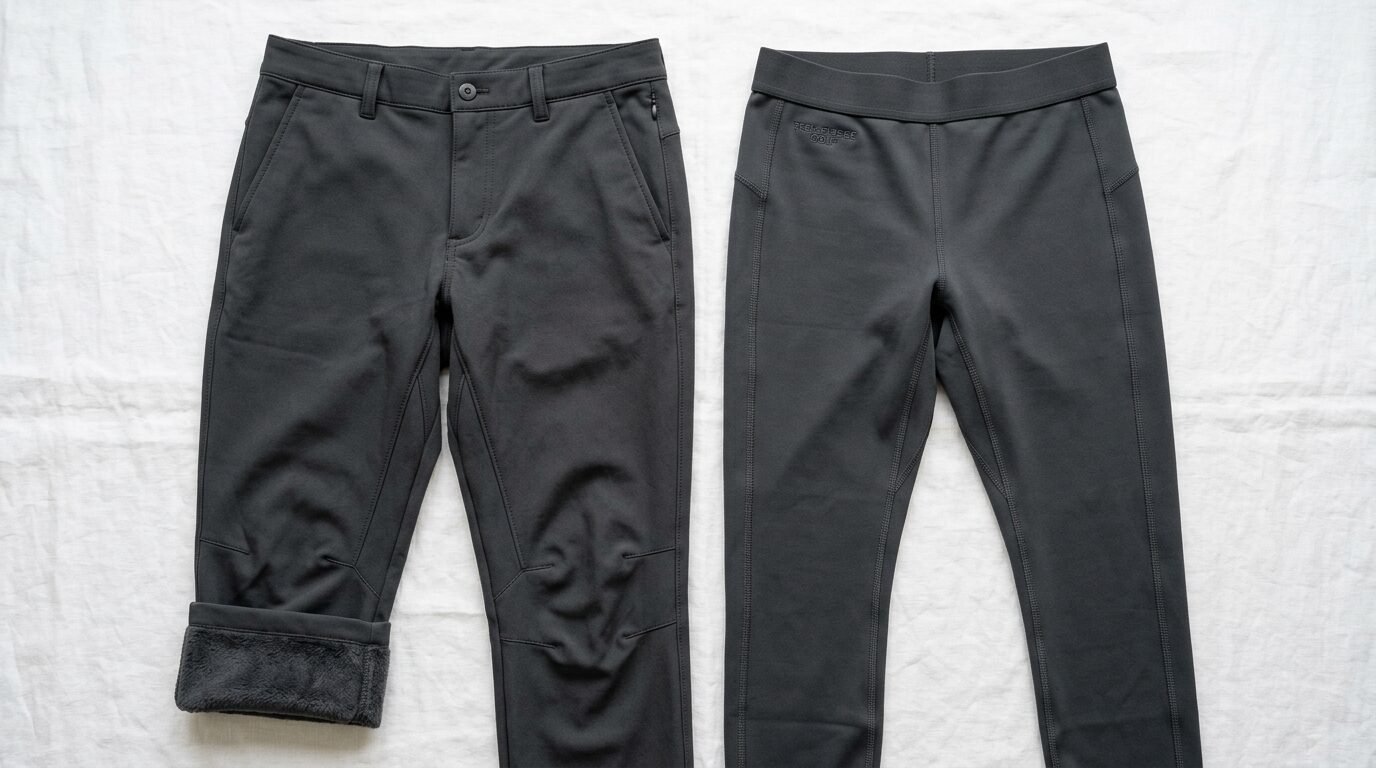
Your legs are often overlooked. Standard golf slacks are usually too thin for 50 degrees. You will lose heat through your quads and calves. You have two choices here. You can wear thermal leggings under your pants, or buy dedicated winter golf trousers.
I prefer fleece lined leggings. The Athleta Altitude Tight is a fantastic base for your legs. They are sleek and warm. If you prefer trousers, look at the Macade Winter Golf Pants. They look like regular chinos but have a brushed interior. They also have a water resistant finish. This is helpful if the grass is wet.
I have tried wearing thick sweatpants before. They were a disaster. They got heavy and sagged. Performance thermals are the way to go. They provide heat without changing your silhouette. If your legs stay warm, your whole body stays relaxed. Tension is a swing killer. Warm legs prevent that tension.
6. Use Cold Weather Accessories
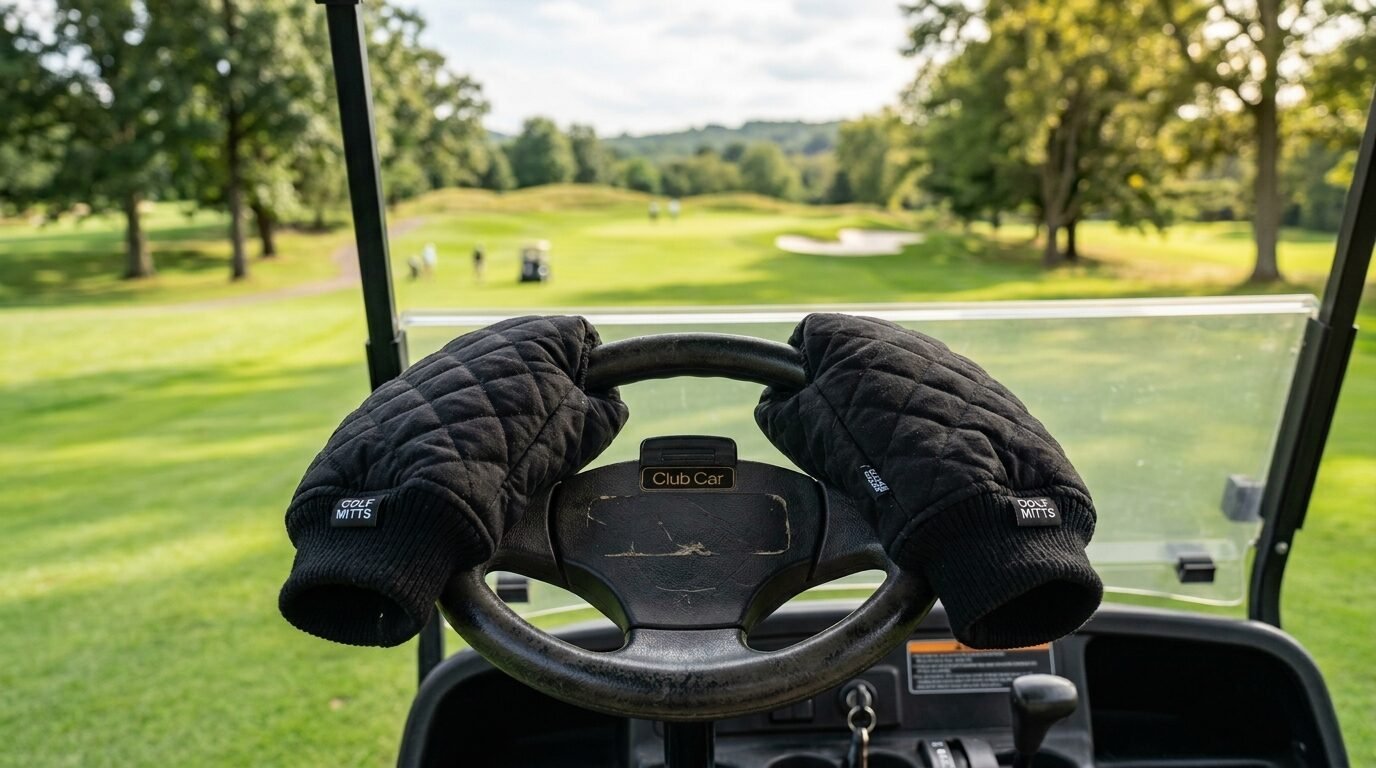
Accessories make the difference between a fun round and a miserable one. Start with a neck gaiter or “snood.” This fills the gap between your chin and your chest. It is much better than a scarf. It stays in place during your swing.
I always keep a pair of “cart mitts” in my bag. These are oversized mittens that fit over your golf gloves. You wear them between shots. Your hands stay toasty while you walk or ride. When it is your turn to hit, you slide them off. Your golf glove stays dry and warm.
Another pro tip is using adhesive body warmers. I stick one on my lower back over my base layer. This keeps my large muscle groups warm. It helps me stay limpy. I also put hand warmers in my pockets. Between shots, I keep my hands on the warmers. Cold fingers lose feel. You need feel for putting and chipping. Don’t let the temperature rob you of your touch.
7. Prioritize Hand Warmth and Grip
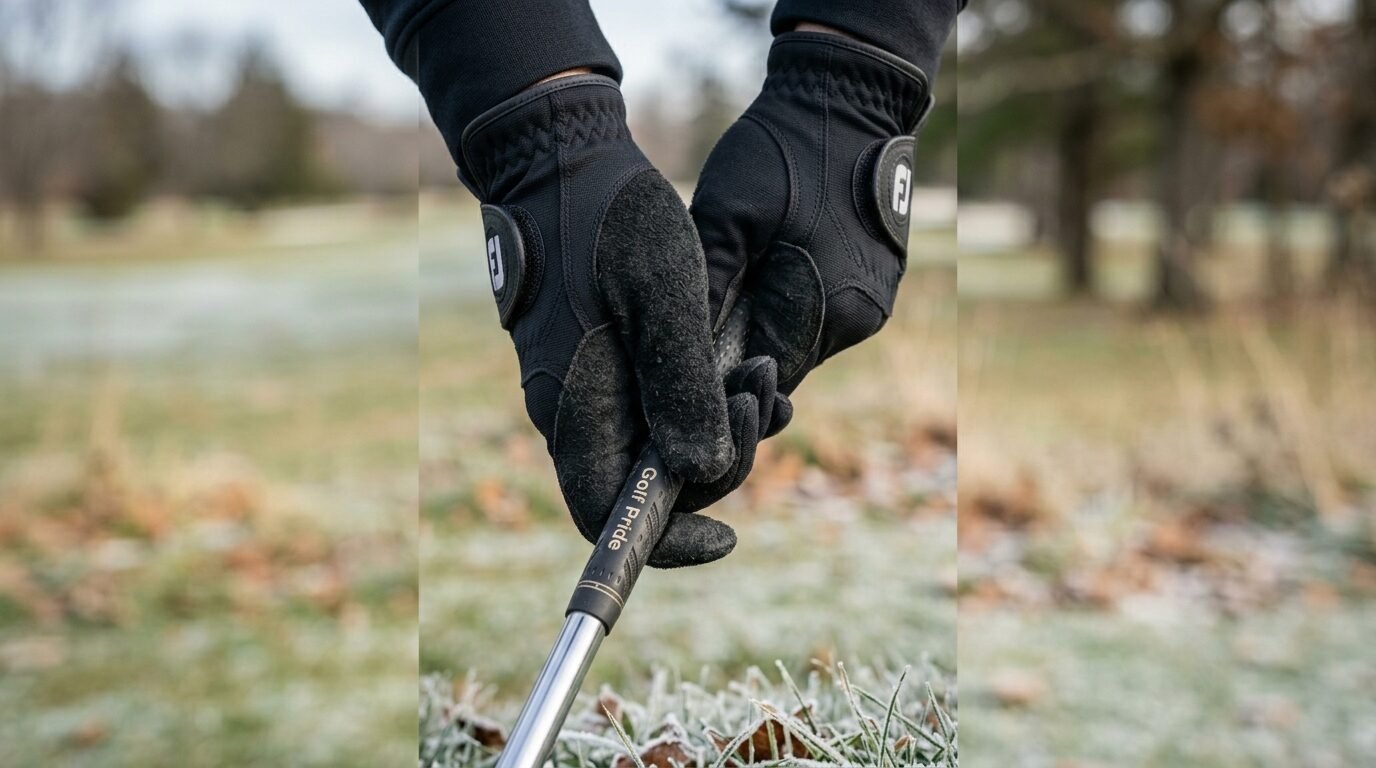
Your hands are your only connection to the club. If they get numb, you can’t play. Standard leather golf gloves offer zero warmth. In 50 degree weather, I switch to winter golf gloves. Brands like FootJoy and Srixon make “WinterSof” gloves. They come in pairs. They have a suede palm for grip and a fleece back for warmth.
In my experience, these gloves work best when the air is dry. If it starts to drizzle, they can get heavy. That is why the cart mitts I mentioned earlier are so vital. If you prefer to play with your regular glove, you must keep your hands in your pockets between shots.
I have seen golfers try to wear regular winter mittens while swinging. This is dangerous. You will lose your grip. Invest in a pair of dedicated winter golf gloves. They are designed to be thin enough to feel the grip but thick enough to block the chill. It is a small investment that pays off on the back nine.
8. Choose the Right Golf Socks
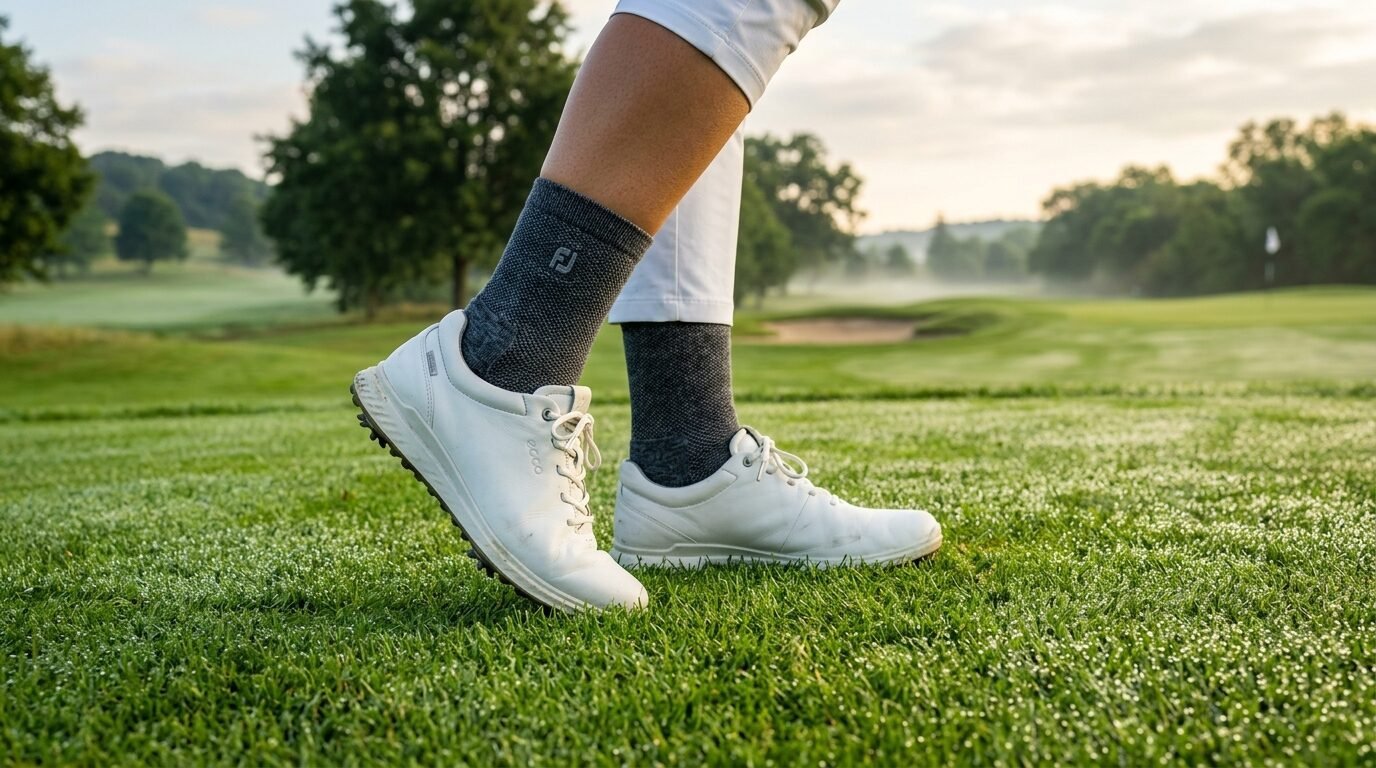
Cold feet will ruin your day faster than a triple bogey. Standard thin “no show” socks are not enough for 50 degrees. You need socks with a higher wool content. Merino wool socks are the best choice. They wick moisture and provide cushion.
I swear by Kentwool socks. They are the favorite of many pro caddies for a reason. They keep your feet at a constant temperature. Feetures also makes a great merino version. Look for “crew” length. This covers your ankles and prevents a gap between your socks and leggings.
If your feet get wet from the dew, wool will still keep you warm. Synthetic or cotton socks will turn into ice cubes. I once wore thin cotton socks on a 50 degree morning. By hole 6, I couldn’t feel my toes. I had to buy new socks in the pro shop. Now, I always over prepare my feet.
9. Protect Your Head and Ears

You lose a significant amount of heat through your head. A standard baseball cap is great for sun, but it does nothing for warmth. In 50 degree weather, you need a beanie or a lined headband.
I prefer a fleece lined beanie. It stays snug and covers the tops of my ears. If you hate “hat hair,” a wide headband is a great alternative. It keeps your ears warm but lets your head breathe. G/FORE makes some very stylish beanies that look great on the course.
I have noticed that if my ears are cold, my neck gets stiff. A stiff neck leads to a restricted follow through. Keeping your head warm keeps your entire upper body relaxed. If the sun comes out and you get too warm, the hat is the easiest thing to remove and tuck into your bag.
10. Adjust Layers Based on Walking vs Riding

How you move on the course dictates how you should layer. If you are walking, you will generate a lot of heat. You can get away with fewer layers. I usually ditch the outer shell if I am walking a hilly course. The physical effort keeps my heart rate up and my blood flowing.
If you are riding in a cart, you will be much colder. The cart moves at 10-15 mph. This creates a constant artificial wind. You are also sitting still for long periods. If you are riding, you need that windproof outer shell. You might even want a golf cart heater or a specialized cart blanket.
I always suggest “layering down” as you play. Start the round fully bundled. As your body warms up, peel off one layer at a time. Put them in the large pocket of your bag. By the 12th hole, you might just be in your base and mid layer. Being able to adapt is the key to comfort.
Real World Case Study: The November Match Play

Last November, I played in a tournament where the temperature stayed at a constant 48 degrees with light rain. Most of the field wore heavy rain suits. They looked bulky and struggled with their swings. I followed the system I described above.
I wore a thin merino base layer and a performance quarter zip. Over that, I wore a lightweight vest and a thin Gore Tex shell. For my legs, I used fleece lined leggings under my water resistant trousers. While others were shivering, I felt light and mobile. I didn’t have to change my swing thoughts at all. I noticed that my competitors were taking “extra club” because they couldn’t rotate fully. I was able to swing at my normal speed. I ended up winning my match on the 17th hole. The difference wasn’t my skill. It was my clothes. I was comfortable, and they were miserable.
Recommended Brand Comparison
| Brand | Best For | Key Product | Price Point |
| Uniqlo | Base Layers | HeatTech Ultra Warm | $ |
| Peter Millar | Mid Layers | Perth Quarter Zip | $$$ |
| Galvin Green | Outerwear | Interface-1 Jacket | |
| FootJoy | Gloves/Vests | WinterSof Gloves | $$ |
| Lululemon | Style & Fit | Ready to Rulu Half Zip | $$$ |
| Kentwool | Socks | Tour Profile Merino | $$ |
Frequently Asked Questions
What is the best base layer for golf?
Merino wool is the best overall choice. It handles moisture better than synthetics and doesn’t hold smells. If you have sensitive skin, a high quality polyester blend like HeatTech is a great second choice.
Can I wear a hoodie for golf?
Yes, but choose a performance hoodie. Avoid heavy cotton. Look for “scuba” fabrics or technical knits. These are thinner and won’t interfere with your chin during the swing.
How do I stop my hands from getting cold?
Use cart mitts between shots and keep chemical hand warmers in your pockets. If you can keep your blood flowing in your wrists and palms, your fingers will stay functional.
Is 50 degrees too cold for golf?
Not at all. With the right layers, 50 degrees is actually ideal. You won’t sweat excessively, and the courses are usually less crowded. It is my favorite temperature for a fast 18 holes.
Should I size up for my outer layer?
No. Modern golf clothes have enough stretch. Sizing up creates extra fabric that will bunch up in your armpits. Stick to your true size for a professional look and better performance.
Conclusion

Playing golf in 50 degree weather is all about strategy. You don’t need a heavy coat. You need a system. Start with a moisture wicking base. Add a breathable mid layer. Use a vest to protect your core. Block the wind with a light shell. When you prioritize mobility, your scores will show it. Don’t let the calendar dictate your season. Grab your layers and head to the first tee. You might find that the crisp air leads to your best round of the year. What is your favorite piece of cold weather gear? I would love to hear what works for you in the comments.

Jenna Carter is the Senior Style Editor at Her Golf Outfit and a lifelong golfer turned certified personal stylist. With a background in retail buying for major athletic brands, she leads our brand reviews and lookbook curation, spotting the pieces worth your money and decoding country-club dress codes so you never second-guess what to wear to the clubhouse.