Walking onto the first tee when the thermometer hits 95 degrees feels like stepping into an oven. The air is thick. Your grip already feels slick. You know you have four hours of intense focus ahead. Most golfers struggle in this heat. They lose energy by hole seven. Their focus slips. They make poor choices.
I have spent years playing summer golf in places where the heat is heavy and the humidity is higher. In my experience, surviving a round in 90+ degree weather is not about toughness. It is about a smart plan. You need to manage your body like a high performance engine. If you do not cool the system, it will fail.
This guide covers everything you need to play your best golf when the sun is at its worst. We will look at what to wear and what to drink. We will discuss how to adjust your swing. We will even cover the specific gear that keeps you safe. You can still have a great round in the heat. You just need the right approach.
What Happens to Your Body During Heat Golf
When you play golf in 90+ degree weather, your body works twice as hard. It is trying to swing a club while also fighting to stay cool. Your heart rate goes up. Your blood moves toward your skin to release heat. This leaves less blood for your muscles and your brain.
I have noticed that the first thing to go is your decision making. You might take a risky shot over water because you are too tired to think about the safe play. You might forget your alignment. Physical fatigue follows. Your legs feel heavy. Your swing speed drops.
Understanding this is the first step to a perfect golf outing in the summer. You are not just playing against the course. You are playing against the clock of your own internal temperature. If you can keep that temperature down, you stay sharp. You keep your power. You win the day.
Pre Round Preparation: Cooling Starts at Home
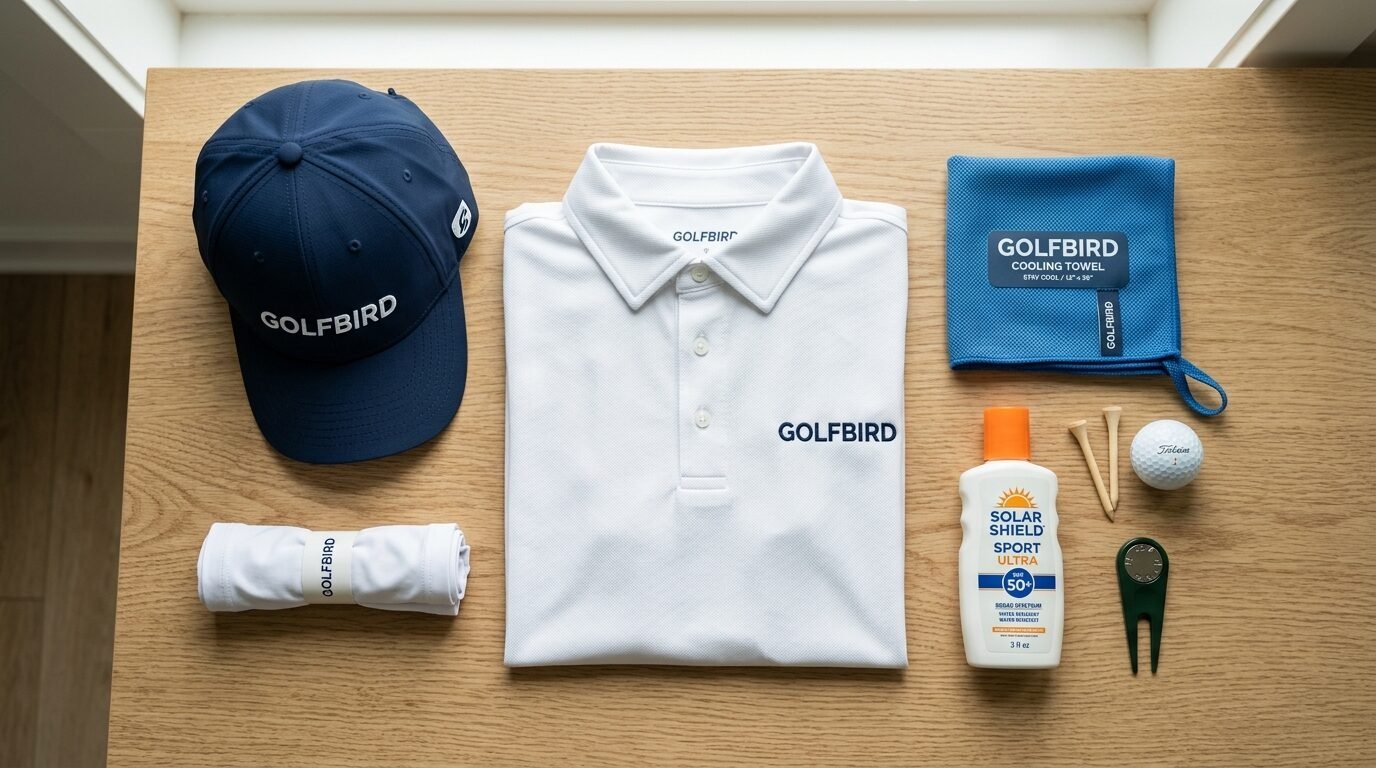
Most golfers wait until they get to the course to think about the heat. That is a mistake. I have seen this work much better when you start 24 hours early. Your body needs to be a sponge before you ever step onto the grass.
1. Hydrate Before You Are Thirsty
Water is not enough. You need electrolytes. In my experience, drinking a liter of water with salt and potassium the night before makes a massive difference. I have tried many brands. Products like LMNT or Liquid IV are great. They help your cells hold onto the water.
When you wake up, drink another 16 ounces of water. Avoid too much coffee. Caffeine is a diuretic. It pushes water out of your body. One small cup is fine for energy, but follow it with a large glass of water.
2. Specific Golf Exercises for Heat Tolerance
You do not want your first physical effort of the day to be in the sun. I recommend short golf exercises at home in a cool environment. Focus on light stretching and mobility. This gets your blood flowing without raising your core temperature too high.
3. Eat for Energy Not Weight
A heavy breakfast of eggs and bacon will sit in your stomach. Your body uses energy to digest heavy fats. That energy should go to your golf practice and your round. Stick to light proteins and complex carbs. Oatmeal with fruit or a turkey wrap works well.
The Best High Tech Golf Clothes for Extreme Heat
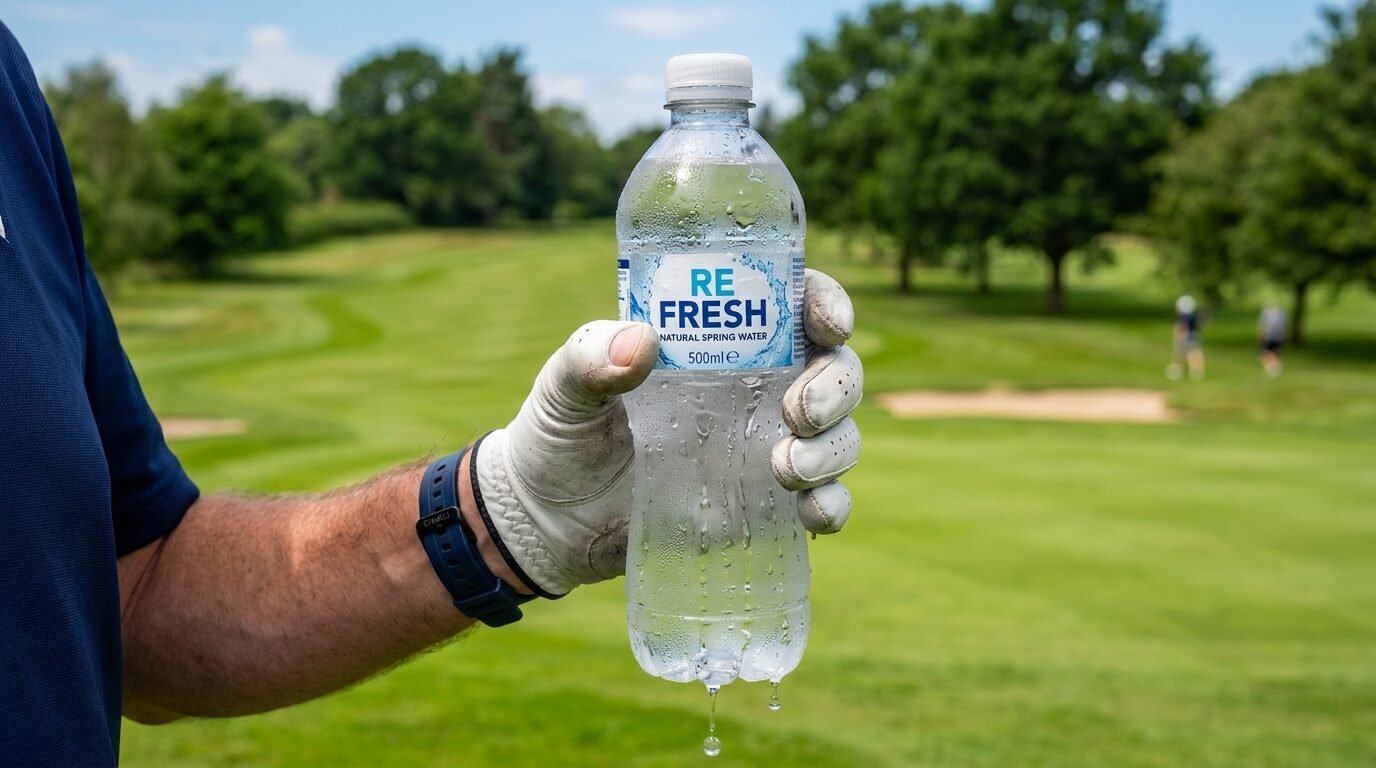
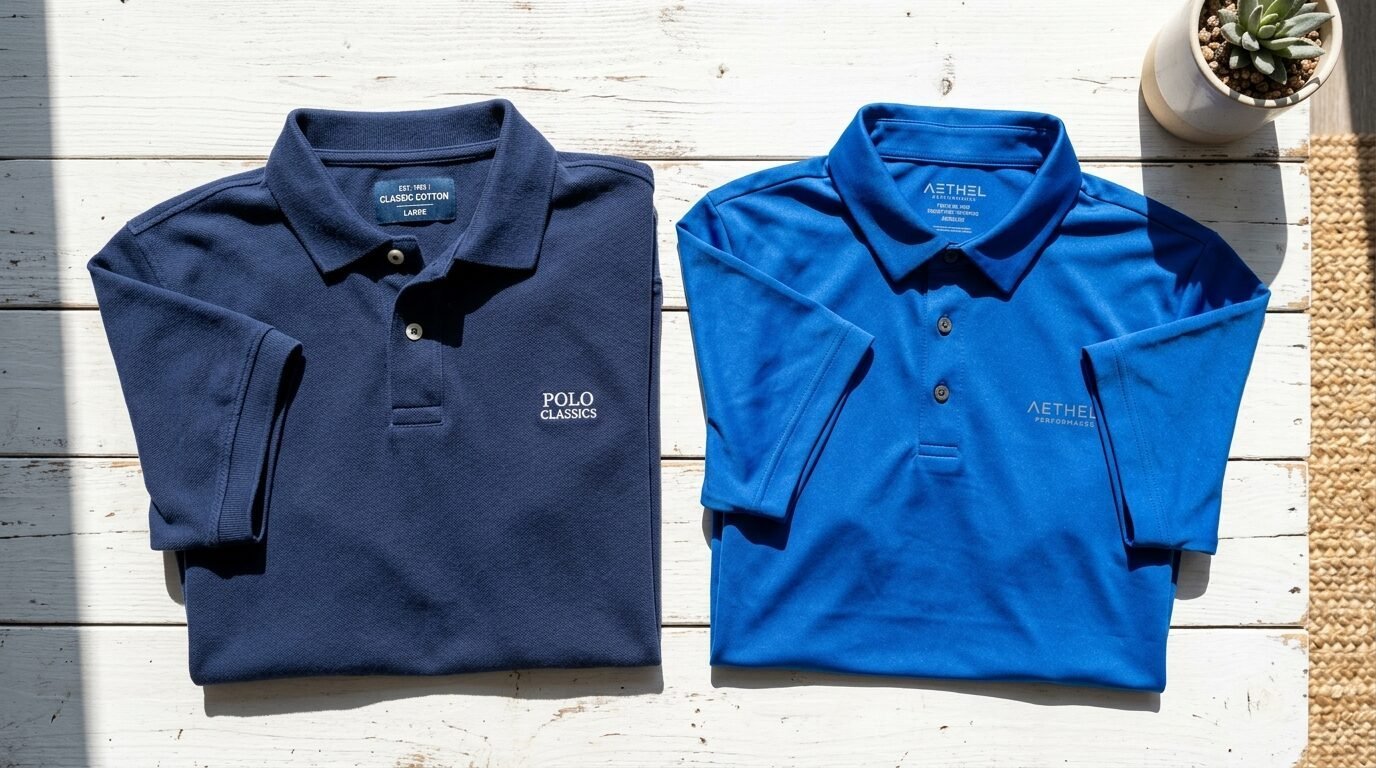
What you wear is your first line of defense. Gone are the days of heavy cotton polos. Cotton is your enemy in 90 degree weather. It holds sweat. It becomes heavy. It stops your skin from breathing.
1. Performance Fabrics are Required
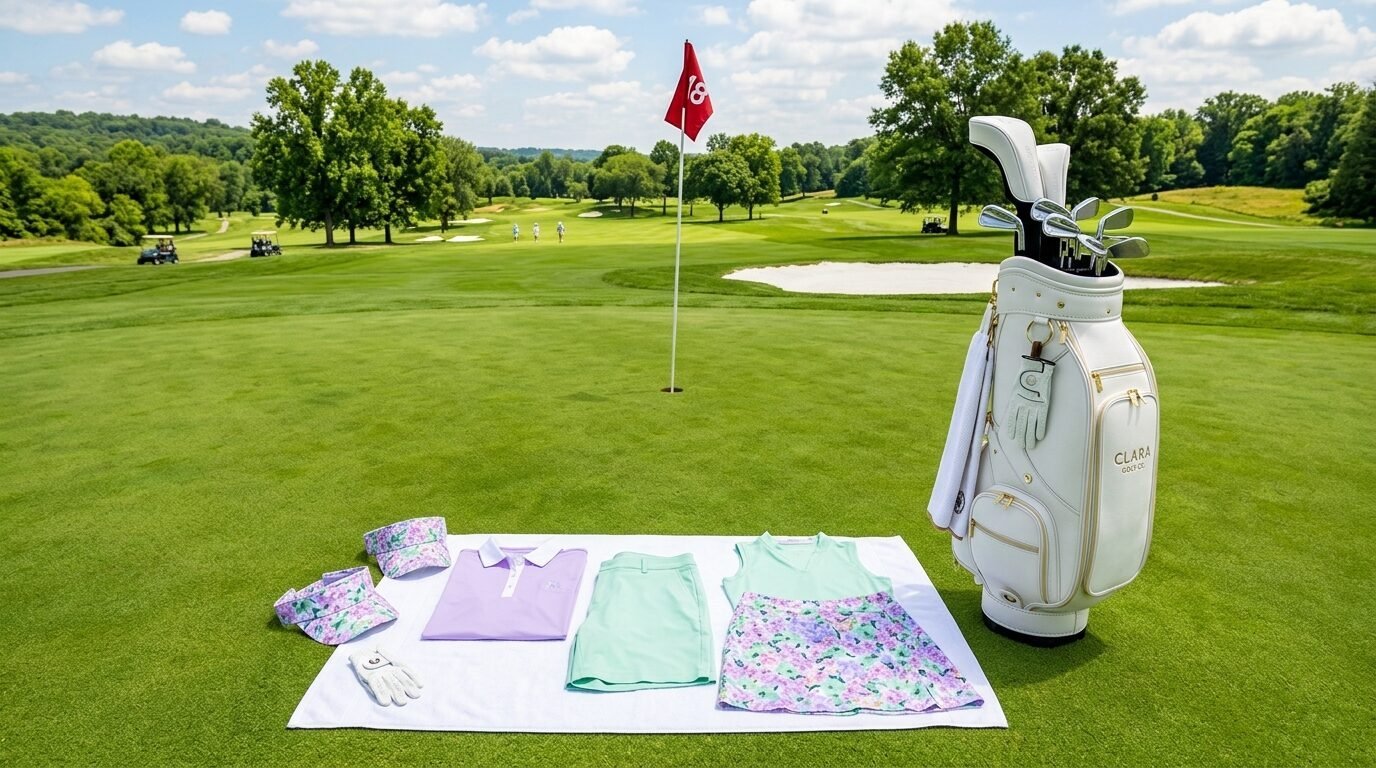
Look for moisture wicking materials. Brands like Nike, Under Armour, and Peter Millar have mastered this. You want polyester blends that feel cool to the touch. I have noticed that light colors are a must. Navy and black shirts absorb the sun. White, light grey, and pale blue reflect it.
2. The Power of the Tech Hat
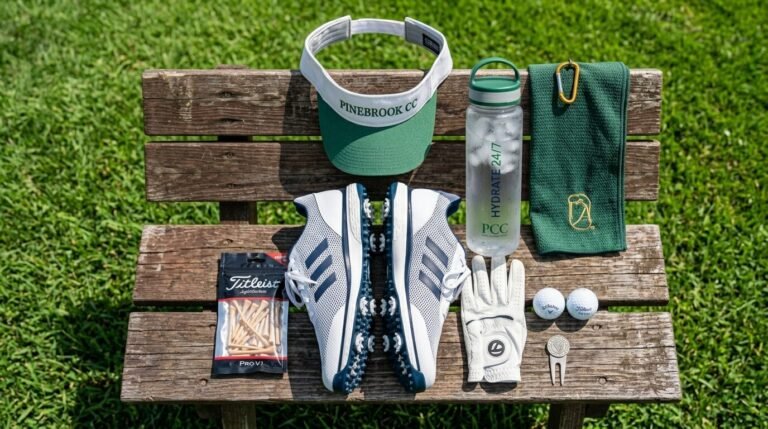
Your head is where you feel the heat most. I suggest a perforated tech hat. These have laser cut holes for airflow. Even better, consider a wide brim bucket hat. It looks different, but it protects your ears and neck. In my experience, keeping the sun off your neck prevents that midday headache.
3. Do Not Forget Your Feet
Your feet swell in the heat. Wear thin, moisture wicking socks. Avoid thick cotton socks that lead to blisters. If you can, wear golf shoes with mesh tops. They allow heat to escape. I have seen golfers change their socks at the turn. It feels like a fresh start for your whole body.
On Course Gear That Actually Works

You need tools to fight the sun. Some gear is hype, but some is life saving. I have tested dozens of cooling products. Here is what actually helps when the heat is unbearable.
1. The Cooling Towel
This is the most important item in your bag. Brands like Mission make towels that stay cool for hours. You soak them in water, wring them out, and snap them. They drop to a very low temperature. Keep it around your neck. The cold water on your carotid arteries tells your brain that you are cool.
2. Large UV Umbrellas
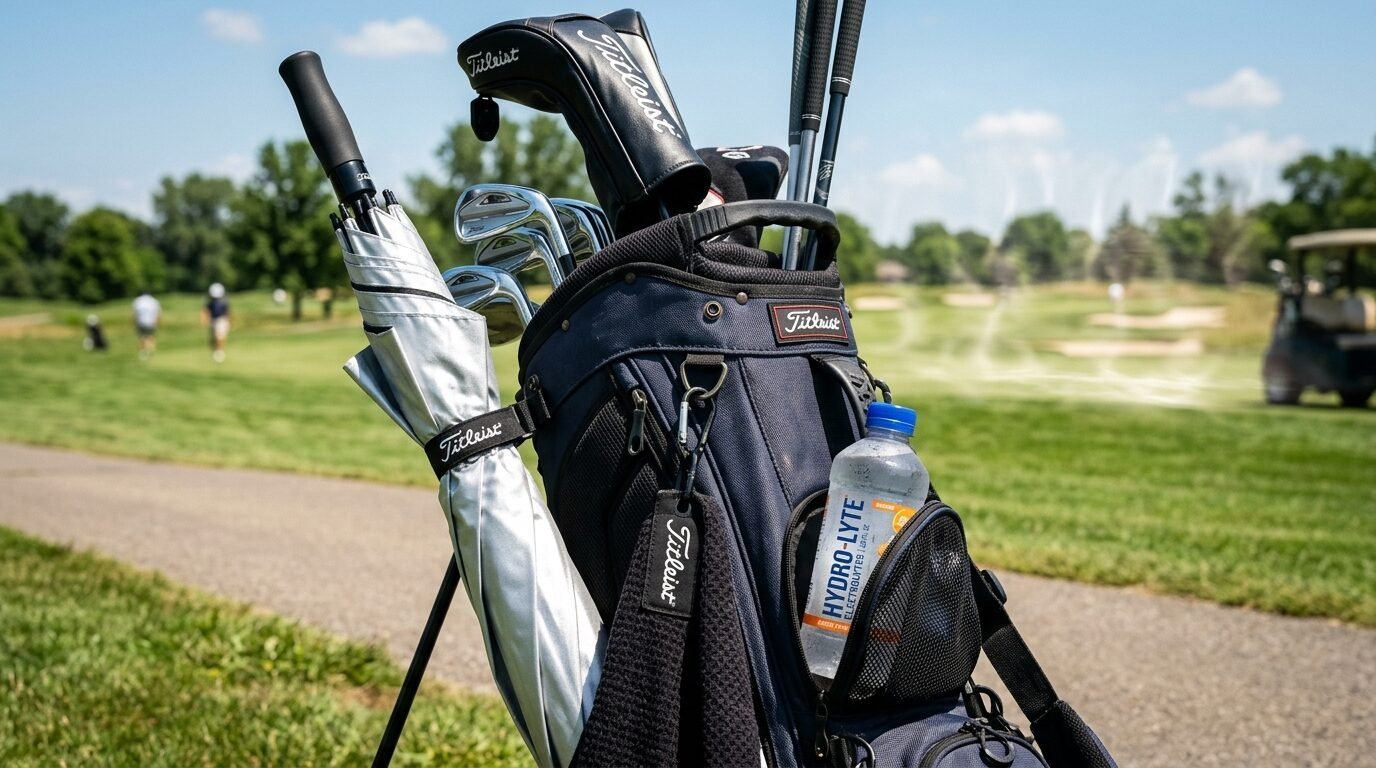
You do not need rain to use an umbrella. A high quality UV umbrella can drop the temperature under it by 10 degrees. I use a Sun Mountain silver lined umbrella. It reflects the rays away from you. If you are walking, this is a requirement. Even if you have a cart, use it while you wait on the tee box.
3. Portable Fans and Misters
I have seen small, rechargeable fans that clip onto the golf cart. They are fantastic. Some even have a misting feature. A quick blast of cool mist on your face between shots resets your focus. It feels like a small luxury that keeps you in the game.
4. Solar Sleeves
It sounds counterintuitive to wear long sleeves in 90 degrees. However, solar sleeves work. They are made of cooling fabric. They protect your skin from UV damage and actually feel cooler than bare skin when a breeze hits them. Many pro golfers use these now.
Strategic Play: Adjusting Your Golf Techniques for Heat

The heat changes the physics of the game. The air is thinner. Your body is looser. Your sweat affects your grip. You cannot play the same way you play in 60 degree weather.
1. The Sweat Factor and Your Grip
Sweaty hands ruin a round. I suggest carrying three or four gloves. Rotate them every three holes. Hang the used ones on the cart struts to dry. Use a high quality rain glove if it is very humid. Rain gloves actually get tackier when they are wet with sweat.
2. Manage Your Energy During Golf Practice
Do not spend an hour on the range before a heat round. You will be exhausted before you start. Limit your warmup to 15 minutes. Hit a few wedges, some mid irons, and two drivers. Spend the rest of your time in the shade on the putting green. Save your energy for the 18 holes that matter.
3. Club Selection and Thinner Air
In my experience, the ball travels further in the heat. Warm air is less dense. This means less drag on the ball. You might find your 7 iron going five yards longer than usual. Pay attention to your distances in the first few holes. Adjust your club selection accordingly.
How to Stay Hydrated for 18 Holes
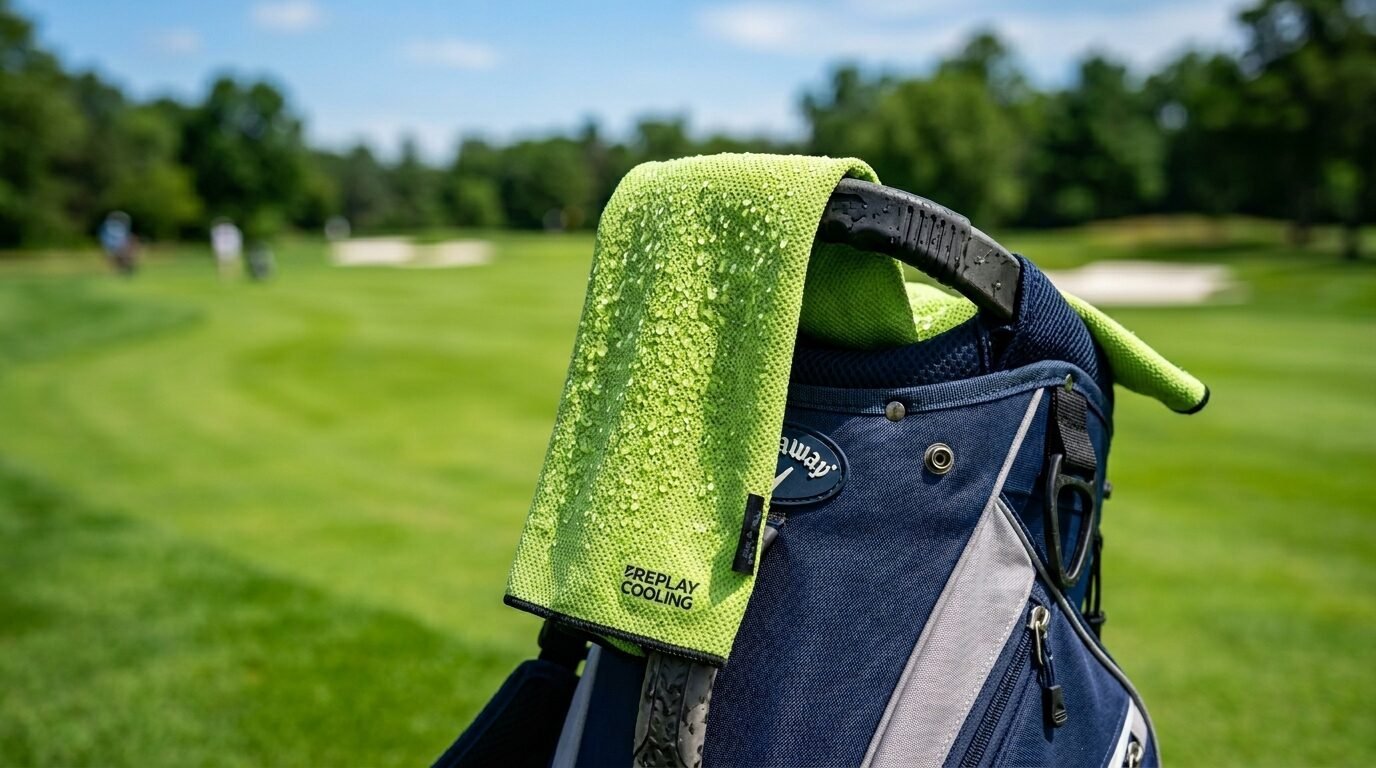
Hydration is a continuous process. If you feel thirsty, you are already dehydrated. You need a rhythm for drinking.
1. The Two Hole Rule
I tell my students to drink four ounces of liquid every two holes. Do not chug a whole bottle at once. Small, frequent sips keep your stomach from feeling heavy. It ensures a steady supply of fluids to your system.
2. Water vs Electrolyte Drinks
Alternate between plain water and an electrolyte drink. Pure water is good, but if you sweat a lot, you are losing salt. If you only drink water, you can dilute your blood sodium. This leads to cramping. I have seen this work best when you have one bottle of water and one bottle of Gatorade or a similar drink.
3. Avoid Alcohol Until the Clubhouse
A cold beer sounds great on a hot day. However, alcohol dehydrates you instantly. It also slows your reaction time. In 90 degree heat, alcohol can make you feel dizzy very quickly. Save the celebration for the 19th hole in the air conditioning.
Safety First: Golf Rules and Heat Illness

No game of golf is worth a trip to the hospital. You must know the signs of heat exhaustion and heat stroke. I have seen golfers try to “tough it out” and end up in a dangerous situation.
1. Know the Warning Signs
If you stop sweating, that is a major red flag. It means your body has run out of fluids. Other signs include:
- Extreme dizziness or vertigo
- Nausea or vomiting
- A fast, weak pulse
- Muscle cramps that will not stop
- Confusion or irritability
2. Use the Golf Rules to Your Advantage
The Golf Rules allow you to protect yourself. You can use an umbrella for shade. You can use a towel or a fan. If you feel ill, you can pause play to seek medical help. Do not worry about your pace of play if your health is at risk. Most courses have rangers who can bring you water or a cold cloth.
Post Round Recovery: The Cool Down
Your round does not end when the final putt drops. How you recover determines how you feel the next day. I have noticed that people who skip recovery feel like they have a “heat hangover.”
1. Lower Your Core Temp Quickly
Get out of the sun immediately. Go into the clubhouse. Place a cold, wet towel on your neck or forehead. Drink a large glass of cool water, but do not gulp it too fast. Give your heart rate time to return to normal.
2. Stretch and Replenish
Heat makes your muscles tight as they lose water. Do some light stretching in the locker room. Eat a meal with healthy fats and proteins. Avocado, nuts, and lean chicken are great choices. This helps your muscles repair the damage from the long walk in the sun.
Expert Tips for the Perfect Golf Round in the Sun
Here are a few “pro secrets” I have picked up over the years. These small details make a big difference.
- Freeze Your Water: Fill your water bottles halfway and freeze them overnight. Top them off with water in the morning. You will have ice cold water for the entire front nine.
- The Cart Path Shade: When you are waiting for the group ahead, park your cart in the shade of a tree. Even 30 seconds out of direct sunlight helps.
- Sunscreen Strategy: Apply sunscreen 30 minutes before you start. If you apply it while you are already sweating, it will just slide off. Use a non greasy formula so it does not ruin your grip.
- Ice in the Hat: If you are really struggling, put a few ice cubes inside your hat. As they melt, the cold water runs down your head and neck. It is an instant cooling system.
Frequently Asked Questions
What is the best time to play golf when it is 90 degrees?
The best time is as early as possible. Teeing off at 7:00 AM allows you to finish before the peak heat of 2:00 PM. If you cannot play early, consider a late evening round starting around 5:30 PM. The sun is lower and the shadows are longer.
Should I walk or ride in a cart during high heat?
Unless you are in incredible shape, ride in a cart. Walking four to five miles in 90 degree weather puts a massive strain on your heart and lungs. A cart provides a place to sit, a roof for shade, and a breeze when you drive. If you must walk, use a push cart to save your shoulders and back.
Can I still do my regular golf drills in the heat?
Yes, but keep them short. Focus on quality over quantity. Do 10 minutes of high focus golf drills rather than 40 minutes of mindless hitting. Move your practice to a shaded area if the range has one.
How often should I reapply sunscreen?
Reapply every two hours. Sweat and friction from your golf bag or clothes will rub it off. Use a spray for your body and a stick for your face to keep the oils off your palms.
Are there specific golf videos that help with heat play?
Look for golf videos that focus on “smooth tempo.” In the heat, people tend to rush because they want to get back to the shade. Watching videos on maintaining a calm, steady rhythm will help you stay patient when the weather is difficult.
What should I eat during the round?
Eat small snacks every four holes. Bananas are perfect for potassium. Trail mix with salt helps replace what you sweat out. Avoid sugary candy bars which can cause an energy crash.
How do I stop my golf shoes from getting too hot?
Choose shoes with mesh or ventilation. White shoes reflect heat much better than black leather ones. You can also use moisture absorbing powder in your socks to keep your feet dry.
Is it okay to pour water over my head?
Yes, this is an effective way to lower your temperature. Just be careful not to get your glove or your grips wet. I prefer using a soaked cooling towel instead as it is less messy.
What are the best golf techniques for playing in humidity?
In high humidity, the air feels heavier. The ball may not travel as far as it does in dry heat. You will also sweat more. Focus on a lighter grip pressure. Your hands will want to squeeze harder if they feel slippery. Consciously relax your forearms.
How do I know if I should stop playing?
If you feel a sudden chill or “goosebumps” on your skin while it is hot, stop immediately. This is a sign that your body’s cooling system is failing. Seek shade and water right away.
Does “Perfect Golf” exist in 90 degree weather?
It does. Perfect golf is about managing the variables. When you control your hydration, your clothing, and your energy, you can shoot your best scores. Some of the most famous rounds in history were played in extreme heat.
Can I use a rangefinder to help with heat distance?
Yes, use a rangefinder with slope and atmospheric adjustments if your local golf rules allow it. High end units can actually factor in the temperature and air pressure to give you the exact “plays like” distance.
Summary of the Heat Survival Plan

Playing golf in 90+ degree weather is a challenge, but it is manageable. Start your hydration early. Wear the right technical fabrics. Use cooling gear like towels and UV umbrellas. Most importantly, listen to your body.
I have found that the golfers who enjoy these rounds are the ones who prepare. They don’t fight the heat. They work with it. They stay in the shade, drink their electrolytes, and keep their tempo smooth. You can have a fantastic day on the course even when the sun is blazing. Stay cool, stay hydrated, and enjoy the game.

Jenna Carter is the Senior Style Editor at Her Golf Outfit and a lifelong golfer turned certified personal stylist. With a background in retail buying for major athletic brands, she leads our brand reviews and lookbook curation, spotting the pieces worth your money and decoding country-club dress codes so you never second-guess what to wear to the clubhouse.