Walking into the pro shop last Tuesday, I watched a new player stare blankly at a massive wall of irons. She held a heavy men’s driver in one hand and a junior putter in the other. Sales reps threw jargon around like confetti. She looked completely lost. This happens daily. The golf industry often forgets what a new player actually needs. You want clubs that forgive bad swings, feel light in your hands, and look great in the bag. You do not need a custom-fitted tour bag on day one. You need gear that makes hitting the ball easier. Over the last five years, I have tested dozens of sets with beginners. I have watched players slice drives into the woods and chunk irons into the mud. Gear matters. The right setup limits frustration. The wrong setup makes you want to quit. This year, manufacturers finally listened. They stopped “shrinking and pinking” men’s equipment. Now, they engineer specific gear for slower swing speeds.
You will read exactly which brands actually deliver on their promises right now. I spent the last three months testing the newest releases alongside my students. We tracked carry distance, swing fatigue, and total cost. You will see direct comparisons between premium sets that cost $1,500 and budget picks under $400. I will show you why Callaway dominates the starter market. You will read why TaylorMade commands premium prices. We will look at Cobra, Ping, Wilson, and modern minimalist brands like STIX. You will get exact pricing as of May 2026. You will see honest reviews of grip feel, bag quality, and shaft weight. This guide gives you the exact details you need to buy your first setup with confidence. You will walk onto the first tee knowing your gear works for your swing, not against it.
The Reality of Choosing Your First Setup
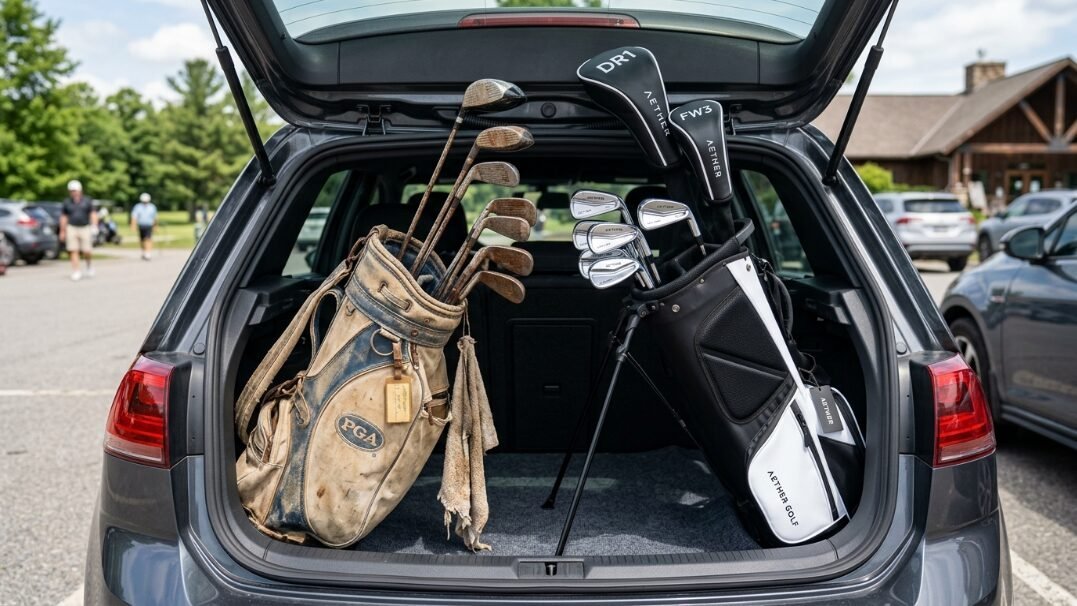
Many new players make a massive mistake. They borrow heavily used, outdated gear from a spouse or parent. Those older steel shafts feel like swinging lead pipes. They drain your energy by the fourth hole. Modern gear changes the game completely.
I constantly tell my students to prioritize weight and forgiveness. You want the largest clubface the rules allow. You want ultra-lightweight graphite shafts. These details give you free clubhead speed. More speed equals more distance.
Last month, I handed a student a modern graphite seven-iron. She had been using her grandfather’s blade iron from 1998. She hit the ball twenty yards further on her first try. The smile on her face told the whole story. Better gear creates better days on the course.
The market for women’s golf clubs shifted heavily this year. Brands realize new female players make up the fastest-growing demographic in the sport. They pour money into research and design. Now, you get aerospace-grade materials at consumer prices. You get hybrids that replace impossible-to-hit long irons. You get putters designed to keep the clubface square at impact.
You have three main choices when buying golf clubs for beginners. You can buy a complete boxed package. You can buy a partial half-set. You can build a set piece by piece. Boxed sets give you the best value. They include the bag, headcovers, and every stick you need. Building piece by piece costs three times as much. For a golf beginner women usually prefer the simplicity of a single purchase.
Let us look at the specific brands dominating the fairways this season.
Callaway Owns the Starter Market
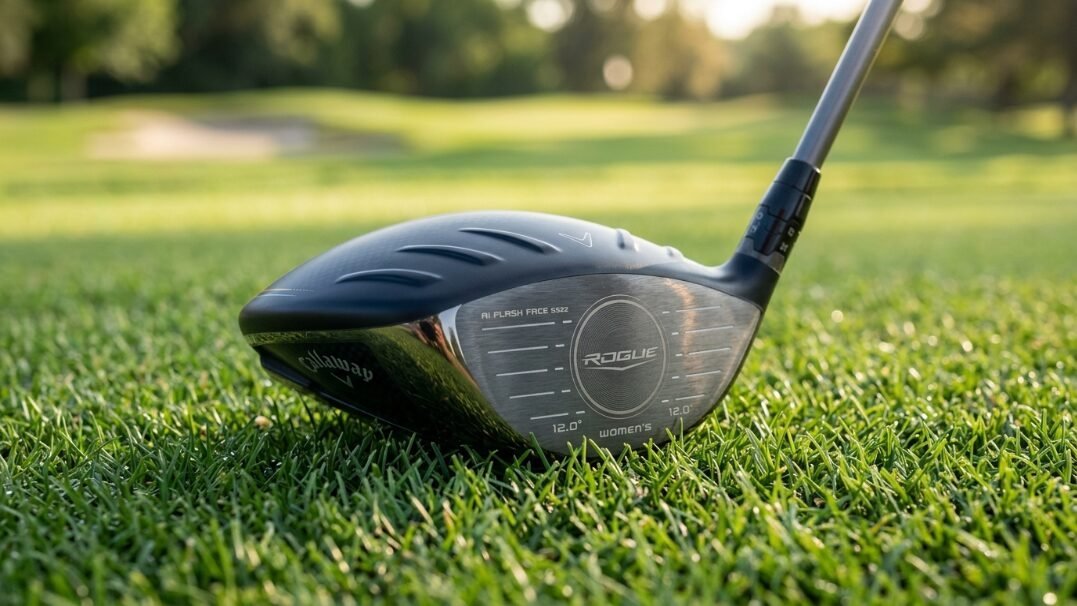
Callaway cracked the code for beginner gear a decade ago. They hold the crown for the most popular complete packages. They offer two distinct tiers for different budgets.
The Strata Complete Package
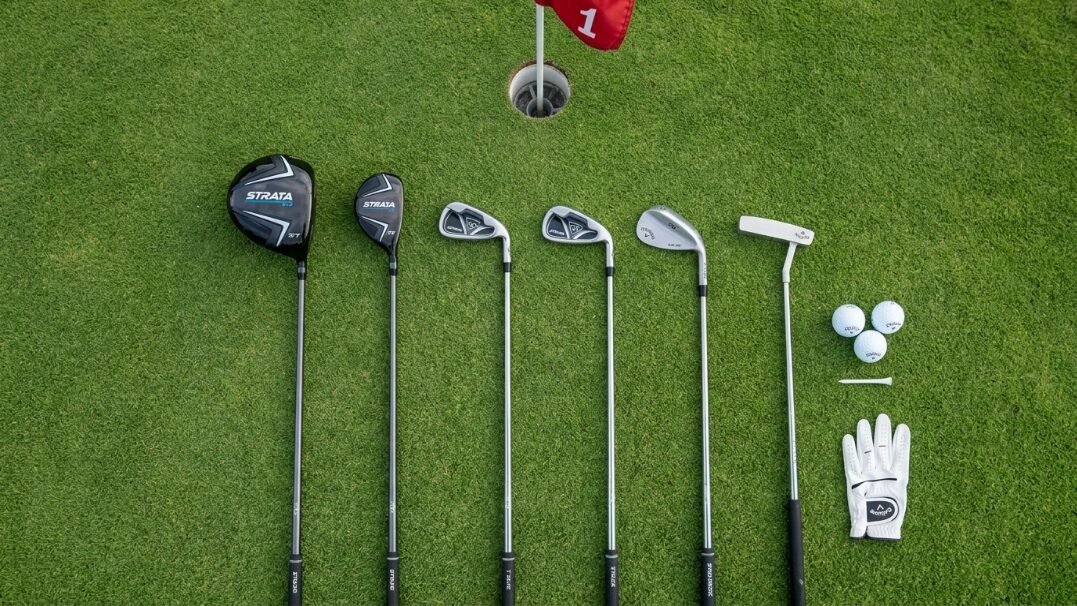
The Callaway Strata remains the undisputed champion of budget-friendly starters. You can find the 11-piece set for around $400. It includes a driver, fairway wood, hybrid, irons, putter, and a stand bag.
I always hand the Strata driver to players struggling with a slice. The massive 460cc head provides a giant hitting area. Even when you strike the toe or heel, the ball still flies forward. The shafts use a highly flexible graphite material. This flex acts like a slingshot. It whips the clubhead through the impact zone.
The bag itself feels sturdy. It features plenty of pockets for balls, tees, and sunscreen. The zippers hold up well over time.
Pros:
- Unbeatable price-to-performance ratio.
- Highly forgiving oversized heads.
- Hybrids perfectly bridge the gap between woods and irons.
Cons:
- The putter feels slightly hollow.
- Only available in a few color options.
The Reva Premium Collection
If you have a higher budget, the Callaway Reva steps up the quality. Retailing near $1,300, it feels like luxury equipment. Callaway designed the Reva strictly from female swing data.
The irons feature a deep cavity back. This pushes the weight to the edges of the club. When you hit a bad shot, the club resists twisting in your hands. You keep the ball in play more often.
The Reva bag commands attention. It looks like a high-end designer piece. The materials resist rain and wipe clean easily. I have a client who bought the Reva set last year. She constantly gets compliments on the driving range.
This makes the Reva one of the best golf clubs for women wanting long-term quality. You will not need to upgrade these for at least five years.
TaylorMade Kalea Gold Delivers Premium Distance
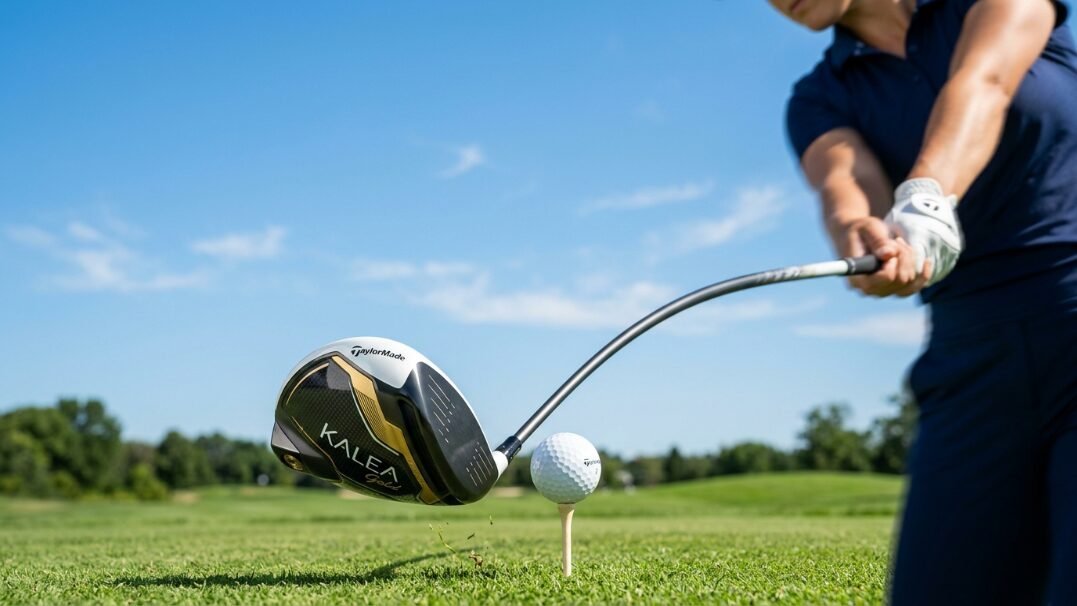
TaylorMade focuses heavily on speed. They want you to hit the ball further. The Kalea Gold line represents their highest-end offering for women. A full package costs around $1,500.
Engineering for Speed
TaylorMade uses a proprietary speed pocket behind the clubface. This flexible slot allows the face to bend at impact. It acts like a trampoline. Balls launch off the face faster.
I tested the Kalea Gold driver against five other brands last week. The ball speed numbers topped the charts. A player with an 80 mph swing speed gained twelve yards of carry distance. Twelve yards means taking one less club into the green. That changes how you score.
Ultra-Lightweight Feel
The Kalea Gold uses premium ultralite shafts. They weigh less than 50 grams. You can swing them all day without shoulder fatigue. The grips feel incredibly soft but stay tacky in humid weather.
The set includes a spider-style mallet putter. This putter design limits twisting. It helps you sink short putts with ease. Beginners struggle heavily with putting. A stable putter shaves strokes off your score instantly.
Pros:
- Industry-leading ball speed and distance.
- Premium Spider putter included.
- Stunning aesthetic design.
Cons:
- Premium price point requires a big investment.
- The sleek bag lacks ample storage space.
Cobra Air-X Fixes the Common Slice
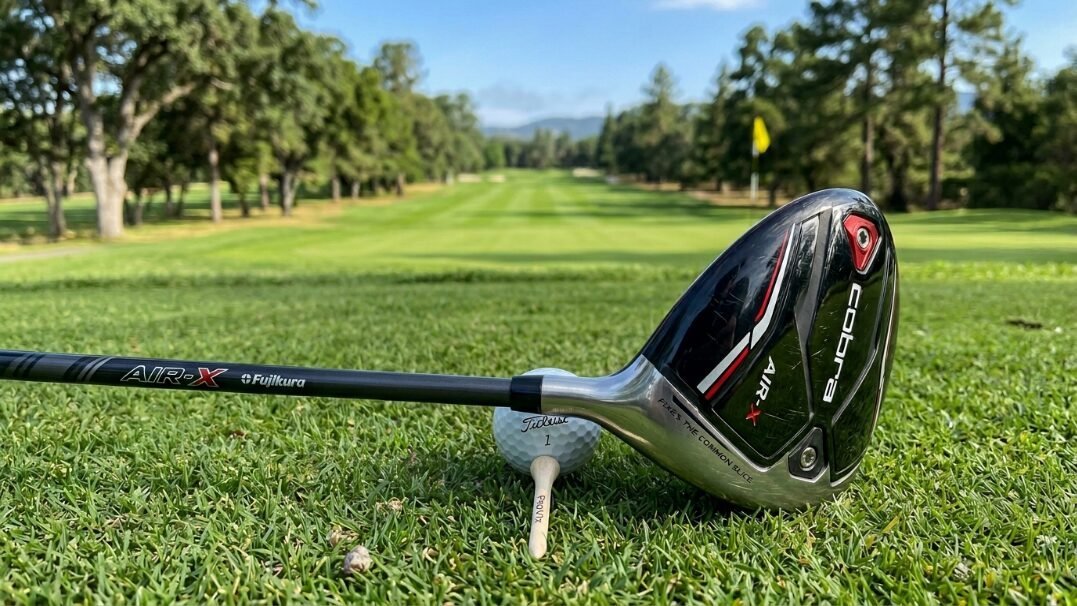
Most new players struggle with a slice. The ball starts straight and curves violently to the right for a right-handed player. It ruins rounds and loses golf balls. Cobra designed the Air-X specifically to fight this exact problem.
The Offset Hosel Magic
The Cobra Air-X driver features an offset hosel. The clubface sits slightly behind the shaft. This gives you an extra split-second to square the face before impact.
I watched a chronic slicer hit the Air-X last month. Her first three drives flew dead straight. She turned around with her mouth open. The offset design works like magic for open clubfaces.
Heel-Biased Weighting
Cobra also places more weight near the heel of the club. This internal weighting naturally promotes a draw bias. It fights the slicing spin. If you want the most forgiving setup for a slice, Cobra wins easily.
The complete Air-X package runs about $1,000. It includes high-launch irons that get the ball airborne quickly. Beginners often hit low, rolling shots. The Air-X pushes the ball high into the air.
Pros:
- Best slice-correction technology on the market.
- Extremely lightweight carbon crowns.
- High launch profile helps carry water hazards.
Cons:
- The offset look takes getting used to at address.
- Players who draw the ball naturally will hook these.
Ping G Le3 Custom Fit Precision
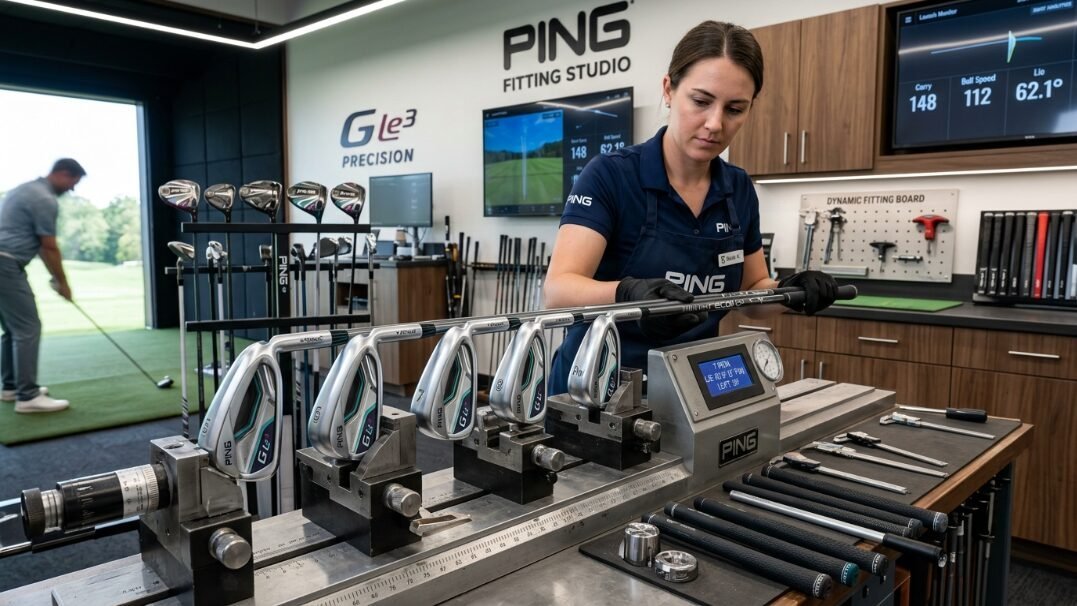
Ping takes a different route. They believe every player needs custom specifications. While you can buy the G Le3 off the rack, they shine when custom-fitted.
Built to Order
Ping allows you to pick exact shaft lengths, grip sizes, and lie angles. A taller player needs longer shafts. A shorter player needs flatter lie angles. When clubs fit your body, your swing feels natural.
The G Le3 irons use a very thin face. They sound crisp at impact. The hybrids replace the five, six, and seven irons. You get a seamless transition from woods to scoring clubs.
The Putting Advantage
Ping includes their famous Anser putter design. The insert on the face provides perfect feedback. You know exactly when you hit the center.
A full custom set of Ping G Le3 will cost over $1,500. They do not sell a boxed set with a bag included. You buy exactly the clubs you need. This makes them a premium choice for committed learners. If you want the best golf clubs on the market, Ping belongs in the conversation.
Pros:
- Full custom fitting options available.
- Exceptional sound and feel.
- High resale value if you decide to upgrade later.
Cons:
- Highest price point.
- Must purchase a bag separately.
Wilson Magnolia Offers Unbeatable Value
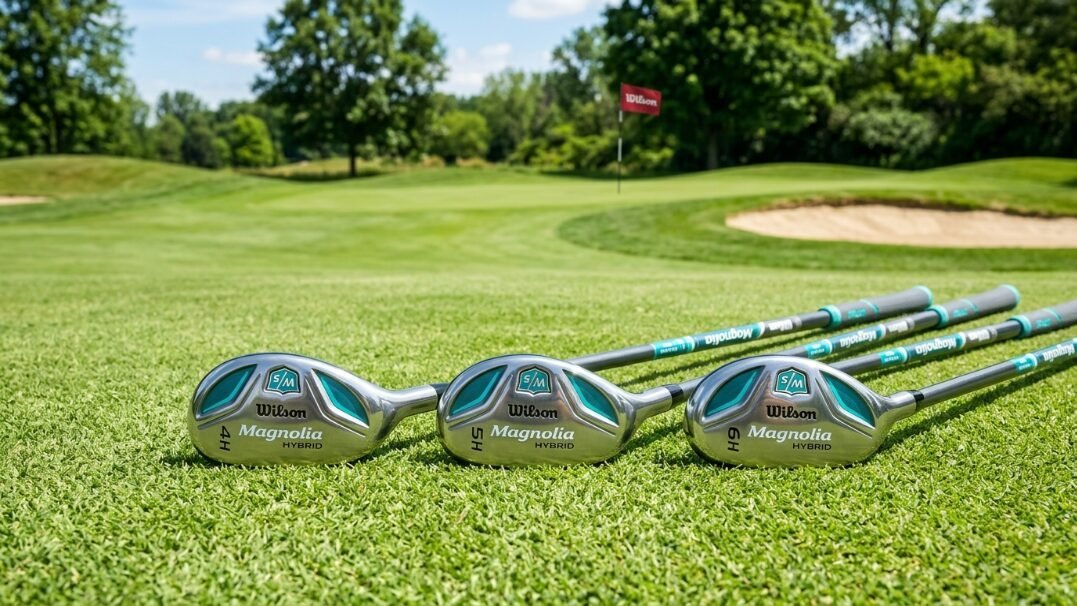
Not everyone wants to drop a thousand dollars on a new hobby. Wilson understands budget constraints. The Wilson Magnolia set costs roughly $450. It delivers everything you need to play immediately.
Three Hybrids Included
Many budget sets include hard-to-hit long irons. The Wilson Magnolia smartly includes three hybrids. You get a four, five, and six hybrid. These clubs sweep through the grass easily. They rarely dig into the turf.
I tell players on a strict budget to grab the Magnolia. The quality vastly outshines the price. The driver uses a massive sweet spot. The irons feature a low center of gravity.
The Sand Wedge Secret
Wilson includes a specialized sand wedge in this set. Many starter packages skip the sand wedge completely. You need a sand wedge to escape greenside bunkers. The Magnolia wedge glides through the sand smoothly.
Pros:
- Excellent price point.
- Three hybrids make long shots easier.
- Includes a true sand wedge.
Cons:
- The driver paint chips easily with sky marks.
- The bag stands feel slightly flimsy.
Tour Edge Moda Silk Blends Style and Function
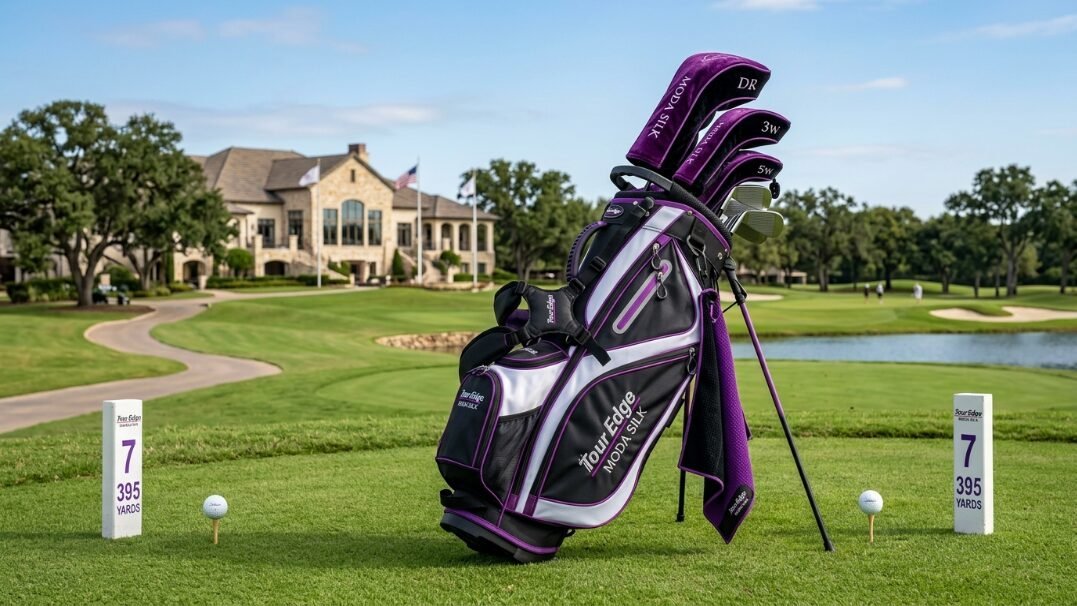
Tour Edge often flies under the radar. They make incredible golf club sets. The Moda Silk line explicitly targets the woman beginner. They price it around $600.
Maximum Forgiveness
Tour Edge uses a massive undercut cavity in their irons. This design pushes the weight far back from the face. The result is pure forgiveness.
I hit the Moda Silk seven-iron during a demo day. It launched incredibly high. The ball landed softly on the green and stopped quickly. Beginners need stopping power on the greens.
High-End Aesthetics
The Moda Silk comes in several striking color choices. You can pick teal, purple, or black. The headcovers feature plush interiors. The bag includes a waterproof pocket for your phone.
For the price, you get a premium look. It bridges the gap between the budget Strata and the luxury Reva.
Pros:
- High-launching irons hold greens well.
- Beautiful color choices.
- Lifetime warranty on manufacturer defects.
Cons:
- Putter lacks a premium alignment line.
- Resale value sits lower than major brands.
STIX and Robin Golf Shift the Paradigm
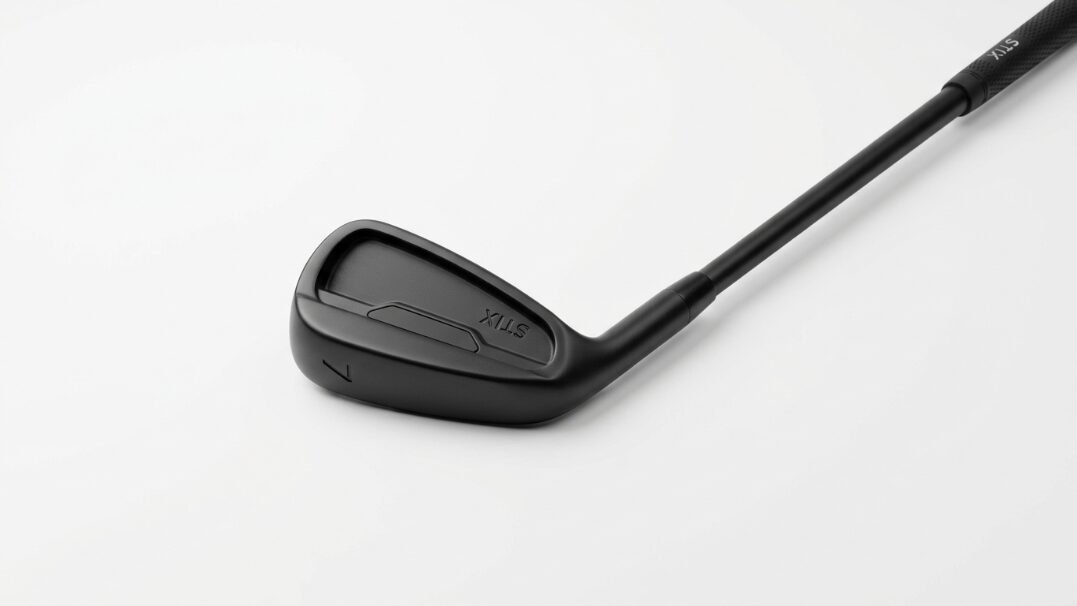
A new wave of brands appeals to modern tastes. STIX and Robin Golf sell directly to consumers online. They ditch neon colors and busy logos. They offer matte black finishes and clean lines.
STIX Performance Series
STIX golf clubs look like stealth fighters. The completely blacked-out design turns heads on the course. They cost around $800 for a 14-piece set.
The clubs feel solid and well-balanced. The irons use strong lofts to hit the ball further. The bag features a minimalist design without massive brand logos.
I have a younger student who bought STIX because she hated traditional golf branding. She loves the matte black shafts. They perform exactly as advertised for a mid-tier price.
Robin Golf Essentials
Robin Golf offers a similar direct-to-consumer model. Their sets cost around $800. They focus on complete simplicity. You get a driver, fairway wood, hybrid, four irons, a wedge, and a putter.
They strip away the confusion. You do not have to pick between twelve different shaft flexes. You simply pick your height range. The clubs arrive beautifully packaged.
Pros for Minimalist Brands:
- Stunning, modern aesthetics.
- Simple buying process without confusing jargon.
- Solid mid-tier performance.
Cons for Minimalist Brands:
- Black finish shows scratches quickly.
- No options to test them in most local stores.
MacGregor CG4000 Provides Ultra-Light Value
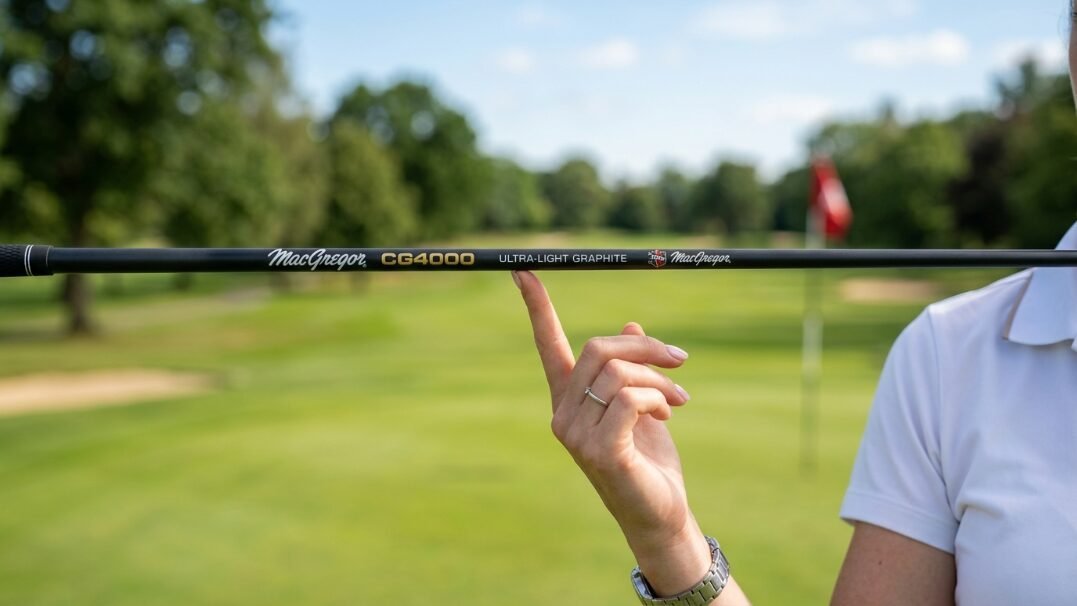
MacGregor offers the lightest set on the market. The CG4000 package set costs under $350. It caters perfectly to players with very slow swing speeds.
Effortless Launch
The shafts flex so easily that you barely need to swing hard. The club does the work for you. The driver sits at a high loft. This gets the ball spinning upward instantly.
If you struggle with hand strength or joint pain, this set works wonders. I had a senior client switch to MacGregor. She stopped taking pain medication after her rounds. The shock absorption in the graphite shafts protected her wrists.
Pros:
- The lightest option available.
- Very low price.
- Excellent shock absorption.
Cons:
- Stronger players will overpower these shafts.
- Grips feel slightly thin.
How to Choose Your First Setup
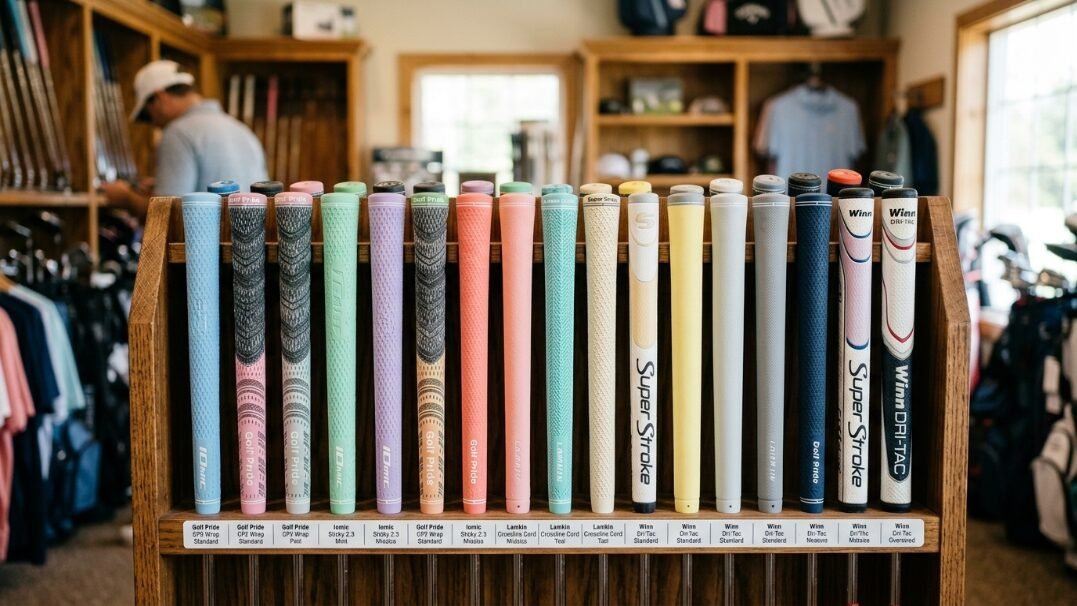
You must weigh several personal factors before making a purchase. Do not buy based purely on brand names.
Assess Your Budget Honestly
Decide exactly what you can spend. If your budget stops at $500, stick to Callaway Strata or Wilson Magnolia. Do not stretch your finances. You still need money for golf balls, tees, and greens fees.
If you have $1,000 or more, look at Cobra Air-X or Callaway Reva. The step up in quality justifies the price.
Know Your Swing Speed
If you played softball or tennis, you likely swing fast. You might find standard women’s flex shafts too “whippy”. You might need a stronger flex.
If you have zero athletic background, stick to the lightest graphite shafts. They give you the best chance to launch the ball high.
Try Before You Buy
Visit a local store or driving range. Hold the clubs. Feel the grips. Swing the driver a few times. Sometimes a club simply looks wrong to your eye. Confidence over the ball matters heavily. If you hate the color, you will not swing well.
Frequently Asked Questions
Do beginners need a full 14-club set?
No. Beginners rarely need fourteen clubs. A half set works perfectly. You need a driver, a hybrid, a seven-iron, a pitching wedge, a sand wedge, and a putter. This covers every distance you face on the course. Carrying fewer clubs causes less confusion when choosing what to hit.
Are men’s clubs okay for a woman beginner?
Usually, no. Men’s clubs feature longer, heavier, and stiffer steel shafts. They require aggressive swing speeds. Using heavy clubs forces you to use your arms instead of your body. This causes bad swing habits. Always start with lighter graphite shafts.
How much should I spend on my first set?
You should plan to spend between $350 and $500 for a quality beginner set. Going cheaper often means buying heavy steel alloys that perform poorly. Spending over $1,000 makes sense only if you commit to playing long-term. Buy within your comfort zone.
Should I buy used golf clubs instead?
Buying used clubs saves money, but you must know what to look for. Check the grips for wear. Check the graphite shafts for splinters. Used clubs from five years ago work fine. Avoid clubs older than ten years. Technology moves fast. Old gear makes the game harder.
What is the difference between irons and hybrids?
Irons have a thin clubhead designed to hit down on the ball. Hybrids feature a hollow, wood-like head. Hybrids have a lower center of gravity. They sweep the ball off the grass easily. Beginners hit hybrids much higher and straighter than long irons.
Do graphite shafts break easily?
No. Modern graphite shafts withstand incredible force. They will not snap during a normal golf swing. They only break if you slam them into a tree or a golf cart. They provide excellent shock absorption on bad hits.
Can I upgrade clubs piece by piece later?
Yes. If you buy a boxed package, you can swap out individual clubs over time. Many players keep the irons but buy a new driver a year later. You can always buy new wedges or a new putter as your skills grow.
Does the golf bag matter?
Yes. The bag holds everything. You want a lightweight stand bag if you plan to walk the course. You want a heavier cart bag if you always ride in a golf cart. Make sure the bag has comfortable straps and sturdy zippers.
How often should I replace my grips?
You should replace your grips every forty to fifty rounds. Rubber grips dry out and become slick. Slick grips force you to squeeze the club too tightly. This ruins your swing tension. Fresh grips make the club feel brand new.
Your Next Move on the Course

Your first set of clubs marks the start of a great journey. Finding the right gear makes those first few rounds far less stressful. You do not need perfect equipment. You need forgiving equipment. The Callaway Strata works perfectly for tight budgets. The Cobra Air-X saves you from a frustrating slice. The TaylorMade Kalea Gold gives you maximum distance.
Pick a set that fits your budget and appeals to your eye. Order it, unbox it, and take it straight to the driving range. Focus on making solid contact. The clubs will handle the rest. Golf rewards patience and repetition. Get the right tools in your hands, take a deep breath, and enjoy the walk down the fairway.

Jenna Carter is the Senior Style Editor at Her Golf Outfit and a lifelong golfer turned certified personal stylist. With a background in retail buying for major athletic brands, she leads our brand reviews and lookbook curation, spotting the pieces worth your money and decoding country-club dress codes so you never second-guess what to wear to the clubhouse.